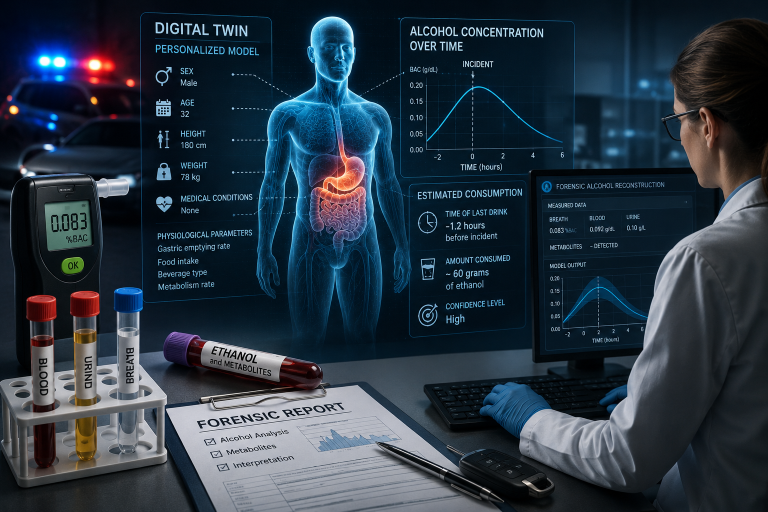
En los últimos años, el término Gemelo Digital ha cobrado cada vez más relevancia en el mundo industrial. Si bien suele asociarse con una réplica virtual de una máquina o una planta industrial, esta definición solo refleja una parte limitada del verdadero potencial de esta tecnología.
En realidad, un gemelo digital es mucho más que un modelo digital: es una plataforma dinámica que conecta los mundos físico y virtual, permitiendo la simulación, el monitoreo, la optimización y la predicción del comportamiento de sistemas complejos a lo largo de todo su ciclo de vida.
DEL DISEÑO AL MANTENIMIENTO
Una de las principales ventajas de un gemelo digital es su capacidad para dar soporte a un producto o instalación desde las primeras fases de diseño.
Incluso antes de que una máquina se construya físicamente, su gemelo digital puede utilizarse para:
- Verificar la corrección del diseño
- Simular diferentes escenarios operativos
- Identificar posibles problemas críticos
- Optimizar el rendimiento y el consumo de energía al tiempo que se evalúan los resultados en diferentes condiciones de funcionamiento.
Este enfoque ayuda a reducir los costes de desarrollo, acortar los plazos de implementación y minimizar la necesidad de modificaciones posteriores.
LA FÁBRICA VIRTUAL
Cuando la tecnología de Gemelo Digital se aplica a todo el proceso de producción, a menudo se la denomina Fábrica Virtual.
En este contexto, se hace posible simular:
- Flujos de producción
- Manipulación de materiales
- Logística interna
- utilización de recursos
- Consumo energético total
Las empresas pueden evaluar diferentes configuraciones de producción sin interrumpir las operaciones reales, identificando la solución más eficiente antes de implementarla en la práctica.
APOYO A LAS ACTIVIDADES OPERATIVAS
Una vez que una instalación entra en funcionamiento, el gemelo digital continúa generando valor mediante la integración con sensores, PLC, sistemas SCADA y plataformas de IoT.
Los datos en tiempo real permiten a las organizaciones:
- Supervisar las condiciones de los activos
- Comparar el rendimiento real con el comportamiento esperado.
- Detectar anomalías
- Optimizar los parámetros del proceso
- Mejorar la calidad del producto final.
Como resultado, la instalación se vuelve totalmente observable y medible en cualquier momento.
PREDECIR EN LUGAR DE REACCIONAR
Una de las aplicaciones más prometedoras de la tecnología de gemelos digitales es el mantenimiento predictivo.
Mediante el análisis continuo de datos operativos, niveles de vibración, temperaturas, cargas eléctricas y otros indicadores, un gemelo digital puede identificar condiciones que podrían indicar una falla inminente.
Esto permite a las empresas:
- Planificar las actividades de mantenimiento de forma proactiva
- Reduzca el tiempo de inactividad no planificado
- Aumentar la fiabilidad de los equipos
- Optimizar la gestión de piezas de repuesto
El cambio del mantenimiento reactivo al mantenimiento predictivo representa uno de los pilares fundamentales de la Industria 4.0.
FORMACIÓN Y TRANSFERENCIA DE CONOCIMIENTOS
Los gemelos digitales también sirven como potentes herramientas de formación.
Los operarios, el personal de mantenimiento y los técnicos pueden practicar en un entorno virtual que reproduce con precisión el comportamiento de las instalaciones reales.
Esto hace posible:
- Aprenda los procedimientos operativos
- Simular situaciones de emergencia
- Reducir los riesgos para las personas y los equipos durante el entrenamiento.
- Acelerar la transferencia de conocimientos
Este enfoque resulta especialmente valioso en entornos donde las instalaciones son complejas, costosas o de difícil acceso.
SOSTENIBILIDAD Y EFICIENCIA ENERGÉTICA
Los desafíos ambientales actuales requieren herramientas cada vez más avanzadas para mejorar la eficiencia de los procesos industriales.
Mediante su gemelo digital, una empresa puede simular diferentes estrategias operativas y evaluar el impacto de cada decisión en:
- Consumo de energía
- Emisiones
- utilización de recursos
- Eficiencia general
Esto permite tomar decisiones basadas en datos y proporciona un apoyo tangible para los objetivos de sostenibilidad.
INTELIGENCIA ARTIFICIAL Y GEMELO DIGITAL
La integración de la Inteligencia Artificial y la tecnología de Gemelos Digitales abre la puerta a escenarios aún más avanzados.
La IA puede identificar correlaciones que serían difíciles de detectar para los humanos y proporcionar recomendaciones para:
- Optimizar los parámetros del proceso
- Mejorar la productividad
- Predecir futuras anomalías mediante la implementación de algoritmos avanzados.
- Adapta automáticamente el comportamiento del sistema a los escenarios operativos a los que se enfrenta la máquina o instalación.
El resultado es un entorno industrial cada vez más autónomo, inteligente y resiliente.
UNA OPORTUNIDAD PARA LAS PYMES EUROPEAS
Contrariamente a la creencia popular, la tecnología de gemelos digitales no está reservada exclusivamente para las grandes corporaciones multinacionales.
Gracias a la creciente disponibilidad de plataformas de software accesibles, sensores inteligentes, sistemas basados en la nube y herramientas de simulación cada vez más asequibles, las pequeñas y medianas empresas también pueden beneficiarse ahora de esta innovación.
El Proyecto Europeo de Gemelos Digitales se creó específicamente para apoyar la difusión de habilidades, metodologías y herramientas que permitan a las organizaciones comprender plenamente y aprovechar el potencial de esta tecnología.
CONCLUSIONES
La tecnología de gemelos digitales no es simplemente una tecnología nueva; representa una nueva forma de comprender la relación entre el mundo físico y el digital.
Desde el diseño y la producción hasta el mantenimiento, la sostenibilidad, la formación y la inteligencia artificial, su potencial es inmenso y sigue creciendo.
El verdadero desafío para las empresas ya no reside en determinar si la tecnología de gemelos digitales desempeñará un papel en su futuro, sino en comprender cómo utilizarla para crear valor, mejorar la competitividad y afrontar con éxito la transformación de la industria moderna.