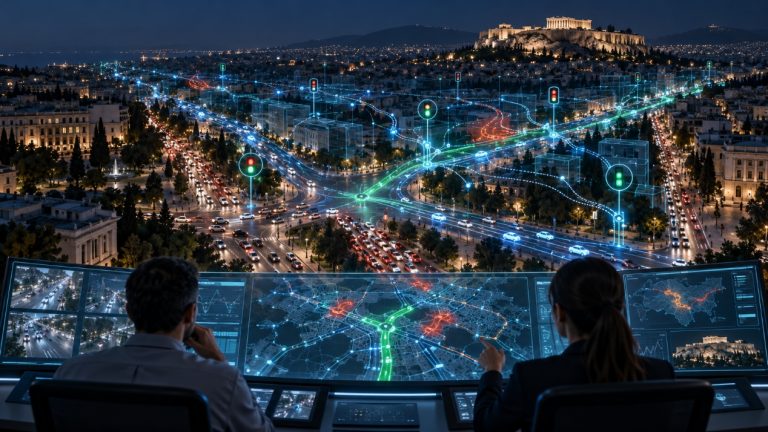
Negli ultimi anni, il termine Digital Twin ha acquisito sempre maggiore importanza nel mondo industriale. Viene spesso associato a una replica virtuale di una macchina o di un impianto industriale, ma questa definizione riflette solo una parte limitata del vero potenziale di questa tecnologia.
In realtà, un Digital Twin è molto più di un semplice modello digitale: è una piattaforma dinamica che connette il mondo fisico e quello virtuale, consentendo la simulazione, il monitoraggio, l'ottimizzazione e la previsione del comportamento di sistemi complessi durante tutto il loro ciclo di vita.
DALLA PROGETTAZIONE ALLA MANUTENZIONE
Uno dei principali punti di forza di un gemello digitale è la sua capacità di supportare un prodotto o un impianto fin dalle prime fasi di progettazione.
Ancor prima che una macchina venga fisicamente costruita, il suo gemello digitale può essere utilizzato per:
- Verificare la correttezza del progetto
- Simula diversi scenari operativi
- Identificare i potenziali problemi critici
- Ottimizza le prestazioni e il consumo energetico valutando i risultati in diverse condizioni operative.
Questo approccio contribuisce a ridurre i costi di sviluppo, ad accorciare i tempi di implementazione e a minimizzare la necessità di modifiche successive.
LA FABBRICA VIRTUALE
Quando la tecnologia del Digital Twin viene applicata all'intero processo produttivo, si parla spesso di Fabbrica Virtuale.
In questo contesto, diventa possibile simulare:
- Flussi di produzione
- Movimentazione dei materiali
- Logistica interna
- Utilizzo delle risorse
- Consumo energetico complessivo
Le aziende possono valutare diverse configurazioni di produzione senza interrompere le operazioni in corso, individuando la soluzione più efficiente prima di implementarla nella realtà.
SUPPORTO ALLE ATTIVITÀ OPERATIVE
Una volta che un impianto diventa operativo, il Digital Twin continua a generare valore attraverso l'integrazione con sensori, PLC, sistemi SCADA e piattaforme IoT.
I dati in tempo reale consentono alle organizzazioni di:
- Monitorare le condizioni degli asset
- Confrontare le prestazioni effettive con il comportamento previsto.
- Rileva anomalie
- Ottimizzare i parametri di processo
- Migliorare la qualità del prodotto finale
Di conseguenza, l'impianto diventa pienamente osservabile e misurabile in qualsiasi momento.
PREVEDERE INVECE DI REAGIRE
Una delle applicazioni più promettenti della tecnologia Digital Twin è la manutenzione predittiva.
Analizzando continuamente i dati operativi, i livelli di vibrazione, le temperature, i carichi elettrici e altri indicatori, un gemello digitale può identificare le condizioni che potrebbero indicare un guasto imminente.
Ciò consente alle aziende di:
- Pianificare le attività di manutenzione in modo proattivo
- Ridurre i tempi di inattività non pianificati
- Aumentare l'affidabilità delle apparecchiature
- Ottimizzare la gestione dei pezzi di ricambio
Il passaggio dalla manutenzione reattiva alla manutenzione predittiva rappresenta uno dei pilastri fondamentali dell'Industria 4.0.
FORMAZIONE E TRASFERIMENTO DI CONOSCENZE
I gemelli digitali fungono anche da potenti strumenti di formazione.
Operatori, personale di manutenzione e tecnici possono esercitarsi in un ambiente virtuale che riproduce fedelmente il comportamento dell'impianto reale.
Ciò consente di:
- Apprendere le procedure operative
- Simulare situazioni di emergenza
- Ridurre i rischi per le persone e le attrezzature durante l'addestramento
- Accelerare il trasferimento delle conoscenze
Questo approccio è particolarmente prezioso in contesti in cui le strutture sono complesse, costose o di difficile accesso.
SOSTENIBILITÀ ED EFFICIENZA ENERGETICA
Le sfide ambientali odierne richiedono strumenti sempre più avanzati per migliorare l'efficienza dei processi industriali.
Attraverso il suo gemello digitale, un'azienda può simulare diverse strategie operative e valutare l'impatto di ogni decisione su:
- consumo di energia
- Emissioni
- Utilizzo delle risorse
- Efficienza complessiva
Ciò consente un processo decisionale basato sui dati e fornisce un supporto concreto agli obiettivi di sostenibilità.
INTELLIGENZA ARTIFICIALE E GEMELLO DIGITALE
L'integrazione dell'intelligenza artificiale e della tecnologia del gemello digitale apre le porte a scenari ancora più avanzati.
L'intelligenza artificiale può identificare correlazioni che sarebbero difficili da rilevare per gli esseri umani e fornire raccomandazioni per:
- Ottimizzare i parametri di processo
- Migliorare la produttività
- Prevedere anomalie future attraverso l'implementazione di algoritmi avanzati
- Adattare automaticamente il comportamento del sistema agli scenari operativi affrontati dalla macchina o dall'impianto
Il risultato è un ambiente industriale sempre più autonomo, intelligente e resiliente.
UN'OPPORTUNITÀ PER LE PMI EUROPEE
Contrariamente a quanto si crede comunemente, la tecnologia del Digital Twin non è riservata esclusivamente alle grandi multinazionali.
Grazie alla crescente disponibilità di piattaforme software accessibili, sensori intelligenti, sistemi basati sul cloud e strumenti di simulazione sempre più convenienti, anche le piccole e medie imprese possono ora beneficiare di questa innovazione.
Il progetto europeo sul Digital Twin è stato creato specificamente per favorire la diffusione di competenze, metodologie e strumenti che consentano alle organizzazioni di comprendere appieno e sfruttare il potenziale di questa tecnologia.
CONCLUSIONI
La tecnologia del Digital Twin non è semplicemente una nuova tecnologia; rappresenta un nuovo modo di comprendere la relazione tra il mondo fisico e quello digitale.
Dalla progettazione e produzione alla manutenzione, sostenibilità, formazione e intelligenza artificiale, il suo potenziale è immenso e continua a crescere.
La vera sfida per le aziende non è più stabilire se la tecnologia del Digital Twin avrà un ruolo nel loro futuro, bensì capire come utilizzarla per creare valore, migliorare la competitività e affrontare con successo la trasformazione dell'industria moderna.