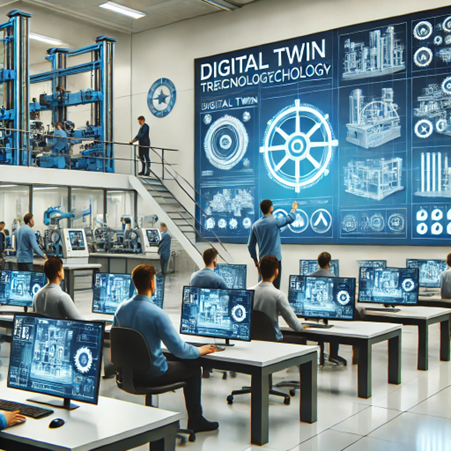
As sustainability becomes an essential requirement, not just an option, industries are scrambling for groundbreaking tech to shrink their environmental footprint. Enter the digital twin: a virtual representation of a real-world object or system that allows for constant monitoring, simulations, and fine-tuning. With digital twins, manufacturers can supercharge their sustainability efforts, opening the door to cleaner and more streamlined production.
Understanding Digital Twins
A digital twin is essentially a dynamic, digital counterpart of a physical asset or process. This technology enables manufacturers to create a comprehensive virtual model that mirrors the real-world system’s performance and behaviour. The digital twin can be used to simulate various scenarios, predict outcomes, and make informed decisions to optimise operations. This capability is crucial for identifying inefficiencies, reducing waste, and improving overall sustainability.
Optimising resource use
One of the primary ways digital twins contribute to green manufacturing is through the optimisation of resource use. By providing detailed insights into every aspect of the production process, digital twins help identify areas where resources are being underutilised or wasted. Manufacturers can then implement targeted improvements to enhance resource efficiency. For example, digital twins can monitor energy consumption in real-time, allowing companies to adjust processes and reduce energy waste, leading to significant cost savings and a smaller carbon footprint.
Reducing waste and emissions
Digital twins also play a critical role in minimising waste and emissions. By simulating production processes in a virtual environment, manufacturers can identify and eliminate inefficiencies before they occur in the physical world. This proactive approach helps reduce material waste, lower emissions, and prevent environmental contamination. Additionally, digital twins can track the lifecycle of products and components, facilitating more effective recycling and reuse strategies.
Enhancing predictive maintenance
Another significant benefit of digital twins is their ability to enhance predictive maintenance. By continuously monitoring the condition of equipment and machinery, digital twins can predict when maintenance is required, preventing unexpected breakdowns and extending the lifespan of assets. This predictive capability not only reduces downtime and maintenance costs but also minimises the environmental impact associated with manufacturing disruptions and repairs.
Supporting sustainable product design
Digital twins are instrumental in supporting sustainable product design. Engineers can use digital twins to test and refine product designs in a virtual environment, ensuring that new products are optimised for sustainability from the outset. This includes selecting eco-friendly materials, designing for energy efficiency, and ensuring products are easy to recycle at the end of their lifecycle. By integrating sustainability into the design phase, manufacturers can significantly reduce the environmental impact of their products.
Facilitating green supply chains
The benefits of digital twins extend beyond the manufacturing floor to the entire supply chain. By providing real-time visibility into supply chain operations, digital twins enable companies to optimise logistics, reduce transportation emissions, and improve overall supply chain efficiency. This holistic approach ensures that sustainability efforts are integrated across all aspects of production and distribution.
A case in point: The Digital Twin on Smart Manufacturing Project
The “Digital Twin on Smart Manufacturing” project (ERASMUS-EDU-2023-PI-ALL-INNO), funded under the ERASMUS+ programme, exemplifies the potential of digital twins in promoting green manufacturing. This project aims to create a comprehensive curriculum and training modules to equip future technicians and engineers with the skills needed to implement and leverage digital twin technology effectively. By fostering a skilled workforce adept at using digital twins, the project contributes to a more sustainable and efficient manufacturing sector.
As industries worldwide strive to meet increasingly stringent environmental regulations and respond to the growing demand for sustainable products, digital twins offer a powerful tool for achieving these goals. By optimising resource use, reducing waste and emissions, enhancing predictive maintenance, supporting sustainable product design, and facilitating green supply chains, digital twins are transforming manufacturing into a more sustainable, efficient, and resilient industry.