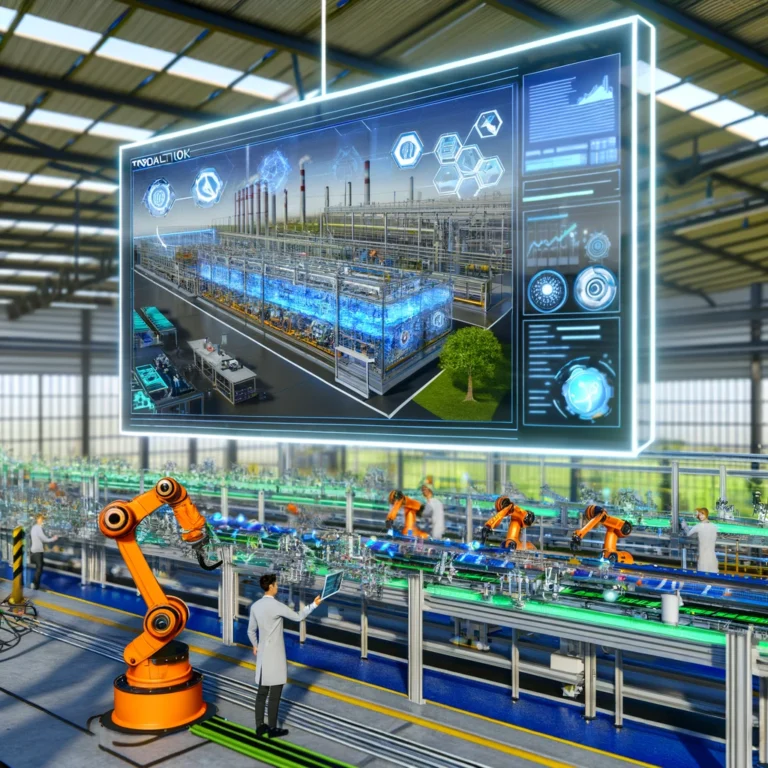
The ongoing electrification, shorter product life cycles and increasing demands for car customization have increased the complexity of manufacturing processes in the automotive industry. Therefore, car manufacturers are looking at the implementation of extended reality (XR) technologies to tackle the many challenges they are facing, as well as to improve the flexibility and adaptability of their operations. However, despite the rapid advancement of technological developments, a gap is identified in the number of academics addressing the implementation of XR technologies within manufacturing in the automotive industry.
The set of guidelines proposed represents a big step for theory and practice as they guide the implementation of XR technologies, which has been a gap until now. The guidelines consider three different perspectives, namely: technology management, competencies and organisational structure. This can help solve an identified problem, companies usually focus on the technological aspects, neglecting competencies and structure. Further, each phase of the guidelines includes innovative aspects. The proposed guidelines embrace the entire XR technology journey according to the challenges companies face, including aspects such as adoption decision, choice of technology, factors to consider during implementation, monitoring and possible improvements.
For more information and examples, visit this article at Edig.nu: https://www.edig.nu/en/artiklar/xr-technologies-in-the-automotive-industry-guidelines-for-their-implementation