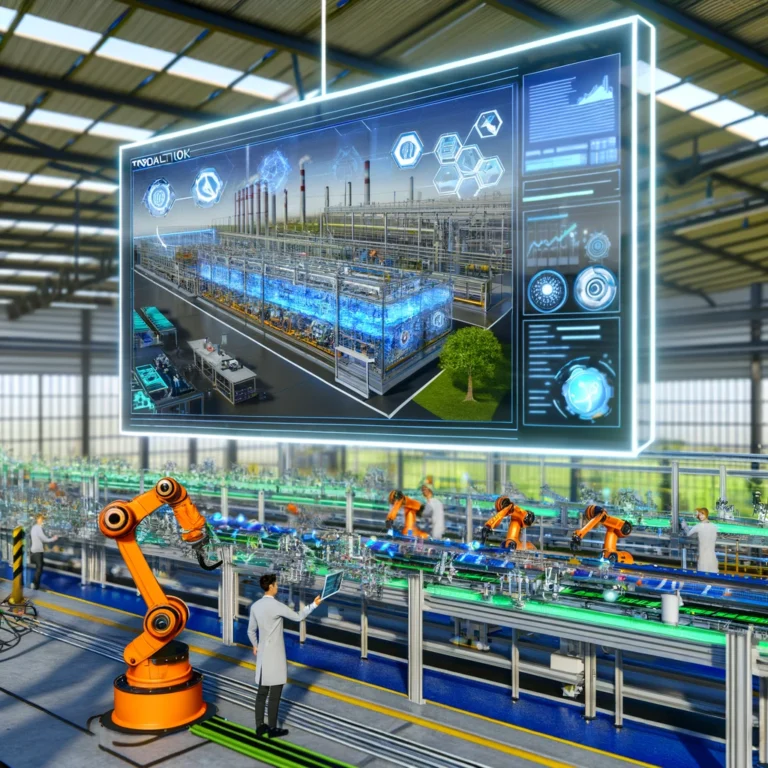
In the age of technology, digital twins have emerged as a revolutionary tool in a variety of industries, from manufacturing to healthcare. However, their application is not just limited to industry; it is also beginning to transform the realm of entertainment.
Digital twins use real-time data to create a virtual replica that can be monitored and simulated. This ability to simulate scenarios and immerse ourselves in them is what makes digital twins so valuable for entertainment.
Events, concerts, and theme parks
When organizing events or crowded venues, digital twins can help plan space layout, logistics, and security. By simulating different scenarios, organizers can anticipate problems and create a safer and more pleasant environment for attendees, creating a safe way to enjoy entertainment. But it doesn’t stop there; these simulations begin to optimize visitor experiences at theme parks and concerts. For example, by modelling attractions or access to the venue and important locations such as restrooms or food courts, waiting times can be simulated and recommendations can be made in real time.
If wristbands or smartphones are used, they can be used to guide people through the facility by making suggestions or offering personalized guidance. You can even make the user part of the show with coloured lights or sounds integrated into these wristbands or smartphones.
Video games
The video game industry is perhaps the industry that has benefited the most from digital twins today, as they allow them to create more immersive and realistic worlds.
Developers can simulate the behaviour of characters and environments, resulting in more dynamic and personalized gaming experiences. Thus, the following points are revolutionizing the world of video games:
1. Character customization: Character customization can now be total, imagine a game where your character not only looks like you or how you want to imagine yourself, but also reflects your decisions and play style. Digital twins allow characters to develop in a unique way, adapting to the player’s choices and creating a more personal experience.
2. Dynamic Environments: Video game worlds can become more realistic and reactive. For example, a digital twin of an ecosystem can simulate how the player’s actions affect the environment, such as flora and fauna, creating a cycle of cause and effect that enriches the game’s narrative.
3. Help in video games: In games, digital twins can help novice players to find their gameplay or strategy and veteran players to visualize and test different tactics before implementing them. This not only improves gameplay, but also allows players to learn and adapt more quickly.
4. Social Interaction: In multiplayer games, digital twins can represent players more accurately, reflecting their skills and play styles. This can lead to more meaningful interactions and more fun group creations or fairer competition.
5. AI: With the use of artificial intelligence and data analytics, developers can create experiences that are not only entertaining, but also highly immersive and personalized, can tailor environments to the user’s tastes, the difficulty level of enemies or gameplay to satisfying levels, and unique narratives and forms of interaction per user. As gamers seek richer and more meaningful experiences, this technology will become a mainstay in video game development.
The Future
Digital twins are transforming the entertainment landscape to a level of personalization and realism that previously seemed unattainable. As this technology continues to evolve, we can look forward to an exciting future. From more immersive virtual reality experiences to personalization of content on streaming platforms, the possibilities are endless. Digital twins not only improve quality, but also allow for greater interaction and personalization, which will lead to greater user enjoyment and satisfaction. As we continue to explore their potential, it is exciting to imagine how digital twins will continue to transform our leisure time in the future, taking us even further down paths not yet explored.