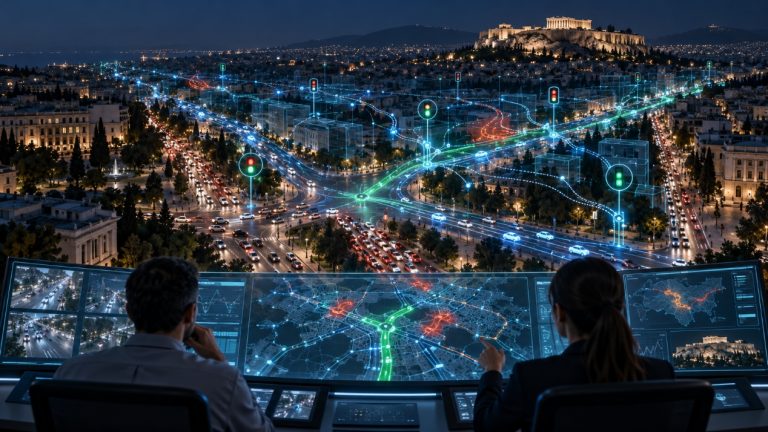
The Digital Twin concept is proving to be a game-changer in warehouse management by creating detailed, real-time virtual replicas of physical assets and spaces. This technology uses data from sensors, IoT devices, and other sources to create an accurate representation of the warehouse environment. With a digital twin in place, businesses can track inventory more effectively, monitor equipment health, and predict potential issues before they become problems. This level of monitoring and control allows for optimized workflows and significantly reduced downtime.
Moreover, digital twins enable businesses to test different operational scenarios without interrupting actual operations. For example, warehouse managers can simulate various layouts or changes to workflows, identifying the most efficient setups for storage and handling. This capability allows companies to make smarter, data-driven decisions that lead to cost savings and higher operational efficiency.
Safety is another area where digital twins offer substantial value. By continuously monitoring environmental factors, such as temperature or humidity, and equipment performance, businesses can prevent accidents or damage to goods and materials. Real-time insights help managers address any potential hazards before they escalate, enhancing both employee safety and the security of goods. The implementation of Digital Twin technology is not just about improving day-to-day operations; it also contributes to long-term sustainability goals. By optimizing energy use, reducing waste, and improving efficiency, businesses can lower their environmental impact while also achieving cost savings. This is an important consideration as industries look for ways to align with sustainable practices and reduce their carbon footprint.