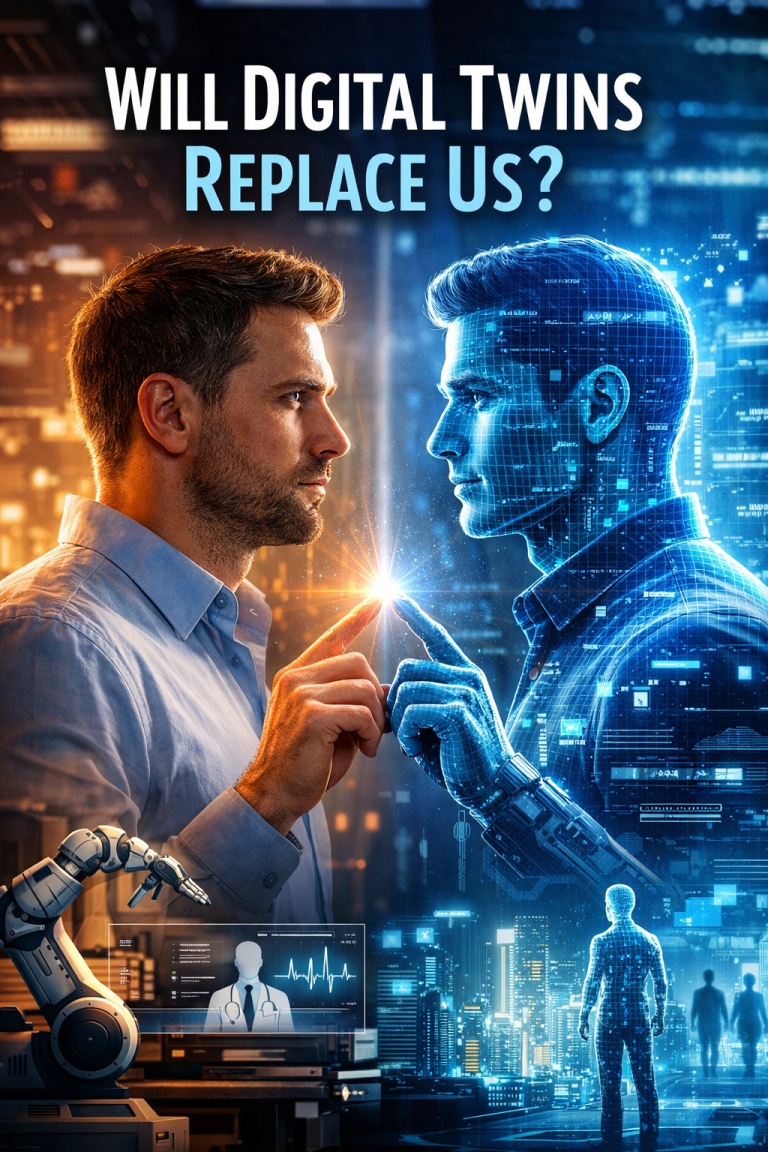
Digital transformation is not only changing how factories operate, it’s reshaping how future professionals are trained. In recent years, immersive learning experiences that combine Digital Twins, Extended Reality (XR) technologies, and Metaverse platforms have emerged as powerful tools for preparing the next generation of students and workers.
By simulating real-world equipment and processes, digital twins allow students to learn-by-doing in a risk-free, virtual environment. When combined with Virtual Reality (VR) and Augmented Reality (AR), these simulations become highly engaging and interactive, turning traditional vocational training into a dynamic experience.
Imagine walking through a virtual smart factory, interacting with machinery, and testing production strategies, all from a classroom or home setting. This vision is already taking shape: it’s the educational metaverse we are building, where learners develop hands-on skills, collaborate remotely, and gain insights into data-driven manufacturing.
Beyond enhancing learning effectiveness, these immersive environments also contribute to broader goals such as sustainability and accessibility. By reducing the need for physical travel, printed materials, and on-site infrastructure, they offer a greener and more efficient model for technical training. Their remote and multi-user nature also makes them ideal for international collaboration and long-distance knowledge exchange.
As an example, have a look at a metaverse-based application that showcases a full-scale automated production line. This immersive environment not only illustrates the potential of digital twins in industrial training, but also serves as a hands-on project that students will learn to build step by step as part of dedicated training courses. Experience firsthand how immersive education is redefining industrial training in the digital age here.