Automation is now becoming an integral part, either directly or indirectly, of our daily lives. This trend is also evident in everyday transportation, where automation increasingly shapes personal and public transportation systems, extending to traffic management, toll collection, and any system that can replace human operations. Does this apply to maritime transport as well? Can we talk about marine automation? Absolutely. After many years of research and development, we have gained considerable experience in the field of automation for the leisure boating industry, especially on large motor yachts. In this sector, emulation systems and digital twins have also become essential components, not only in the design and construction workflow but also for virtual commissioning, predictive maintenance, performance optimization, and crew training.
NAVAL AUTOMATION IN MOTOR YACHTS
A large motor yacht (vessels over 50m in length and exceeding 500 GT) is equipped with a number of automated systems and electronic components comparable to a small industrial complex. Starting with power generation and distribution, which are essential for onboard operations, automation covers the propulsion and steering systems, safety equipment, fuel storage, fresh and waste water systems, air conditioning, door and hatch controls, lighting, security (access control, cameras, anti-theft systems), and much more. Naval automation involves the integration, monitoring, and interaction of all these systems.
DIGITAL TWIN IN NAVAL AUTOMATION
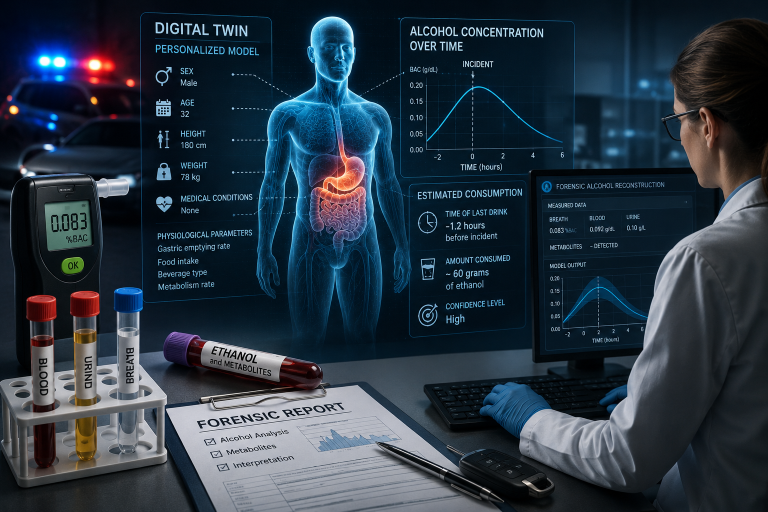
The concept of a digital twin refers to creating a virtual replica of a physical object (in this case, a motor yacht) that reflects in real time the vessel’s operational conditions and technical characteristics. This simulation replicates the actual behavior of the yacht. For motor yachts, a digital twin enables real-time simulation of critical components, electrical systems, propulsion, and all onboard systems managed by the automation system.
SUPPORT FOR DESIGN
A digital twin can be used, for instance, to determine the optimal sizing for the yacht’s power generation system. Designers can simulate energy consumption and performance under variable conditions, compare the results of different scenarios, and choose the best solution for efficiency and sustainability. For example, adopting a hybrid propulsion system may be beneficial, a scenario that can be analyzed further by making modifications to the virtual model. This approach saves on physical prototype costs, improves reliability, energy savings and cost-effectiveness of the final design, and also significantly reduces time to market. These factors contribute to a high ROI (Return on Investment), making the adoption of this technology very attractive.
VIRTUAL COMMISSIONING
The digital twin enables virtual commissioning of the automation system, allowing thorough testing via the virtual model during the long-lasting construction phases. This stage is critical for validating automation logic under simulated conditions, without requiring the physical equipment.
MAINTENANCE AND TRAINING
Through digital simulation, proactive maintenance applications can be developed, identifying potential issues before they occur, thereby reducing downtime and repair costs. Simulations aimed at diagnosing and troubleshooting issues can be conducted safely using the digital twin without impacting the yacht’s operation or navigation. Otherwise, costly sea trials would need to be scheduled, interrupting normal navigation to conduct diagnostic tests. This is also part of the crew training program, where the digital twin allows crew members to simulate navigation conditions, learn safe yacht management, and customize operational parameters according to the needs of the captain or guests. Staff training, carried out quickly and effectively, is particularly important in this context, as entire crews are very often rotated.
APPROVAL BY NAVAL REGISTRIES
The construction of motor yachts must meet strict safety and reliability standards set by naval registries, which are certification bodies regulating yacht construction and operation norms. Naval registries (such as Lloyd’s Register, RINA, or Bureau Veritas) ensure that new technologies are compliant with international regulations and do not compromise the safety and functionality of the yacht. When introducing a digital twin, it is essential that the virtual replica is accurate and up-to-date, ensuring that data transmitted from onboard sensors is reliable and compliant with registry standards. The digital twin can streamline FAT (Factory Acceptance Test) and automation approval, reducing time and sea trial costs under register’s surveyor supervision.
ENHANCING USER EXPERIENCE
The adoption of digital twins on motor yachts transforms the experience for owners and crew, making it more intuitive, safe, and customized. Thanks to the yacht’s virtual replica and advanced augmented reality tools, detailed information about the yacht’s condition and performance is readily available. This allows continuous monitoring of parameters such as engine status, fuel efficiency, and onboard safety, with alerts and recommendations for improved navigation.
CONCLUSIONS
The introduction of advanced technologies like digital twins can revolutionize the design and construction of automation systems, even in critical sectors like yachting. These tools not only enable more intuitive and proactive yacht management but also pave the way for more sustainable and autonomous yachts. Despite the technical, economic, and regulatory challenges, the future of luxury yachting appears increasingly connected and intelligent, with positive impacts for manufacturers, crew, owners and, last but not least, the marine environment.
Omar Roba
B&B Automation senior SW Engineer