What a week! The Digital Twin International Skills Competition is now complete and we couldn’t be more happier with its outcomes! Some 20 students from 5 countries – Sweden, Greece, Bulgaria, Spain and Italy got to participate and compete to conquer the first place. It was indeed a celebration of skills, teamwork and young talent!
The competition opening was started in the early rainy morning of 8 October 2026 at the Apro Formazione school in Alba, Italy, where the coordinators of the project and hosts of the competition Mrs. Annalisa Rizzo and Mr. Stefano Antona (Apro Formazione) gave a warm welcome to all participants and partners and presented the rules of participation before the official kick off.
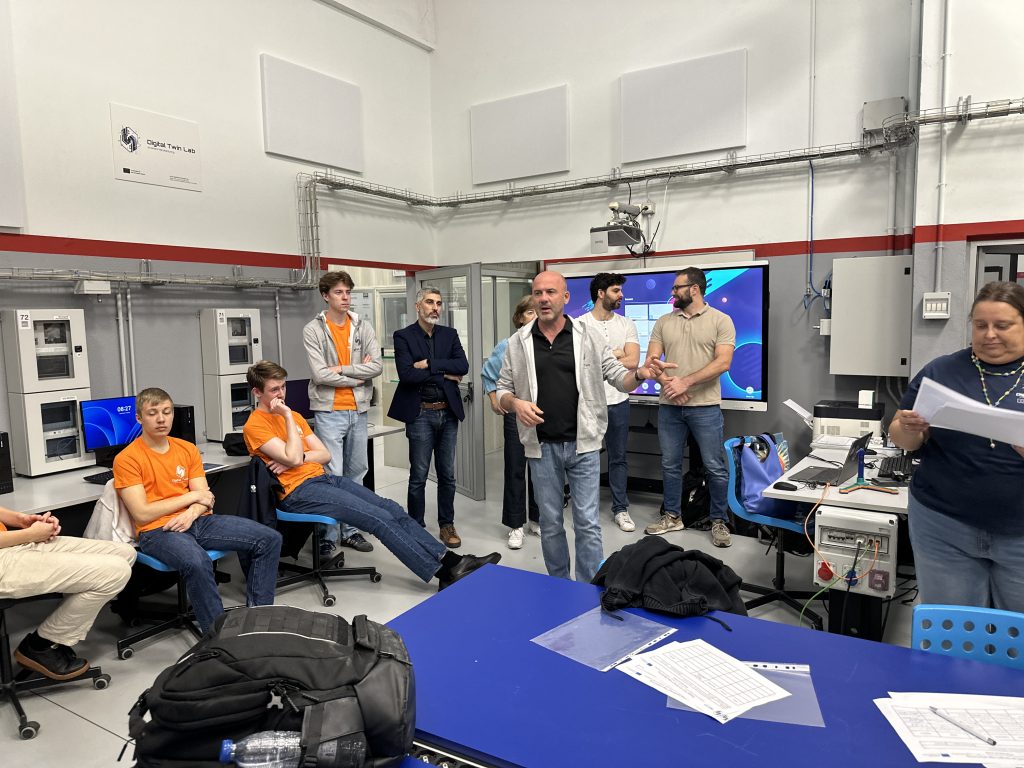
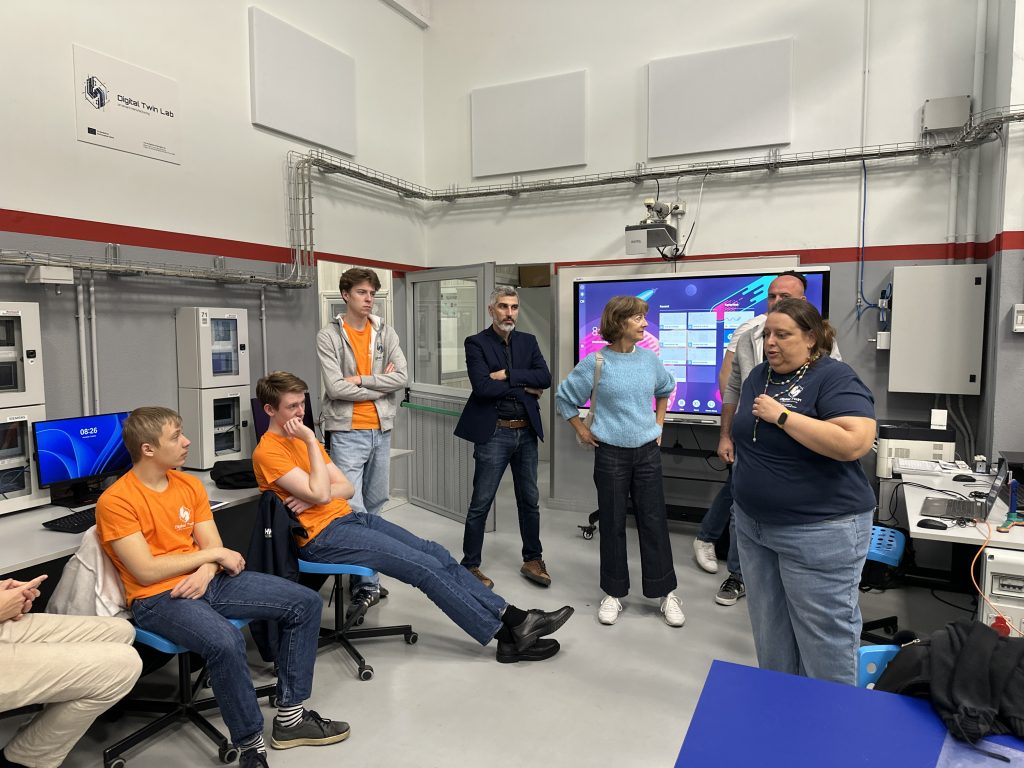
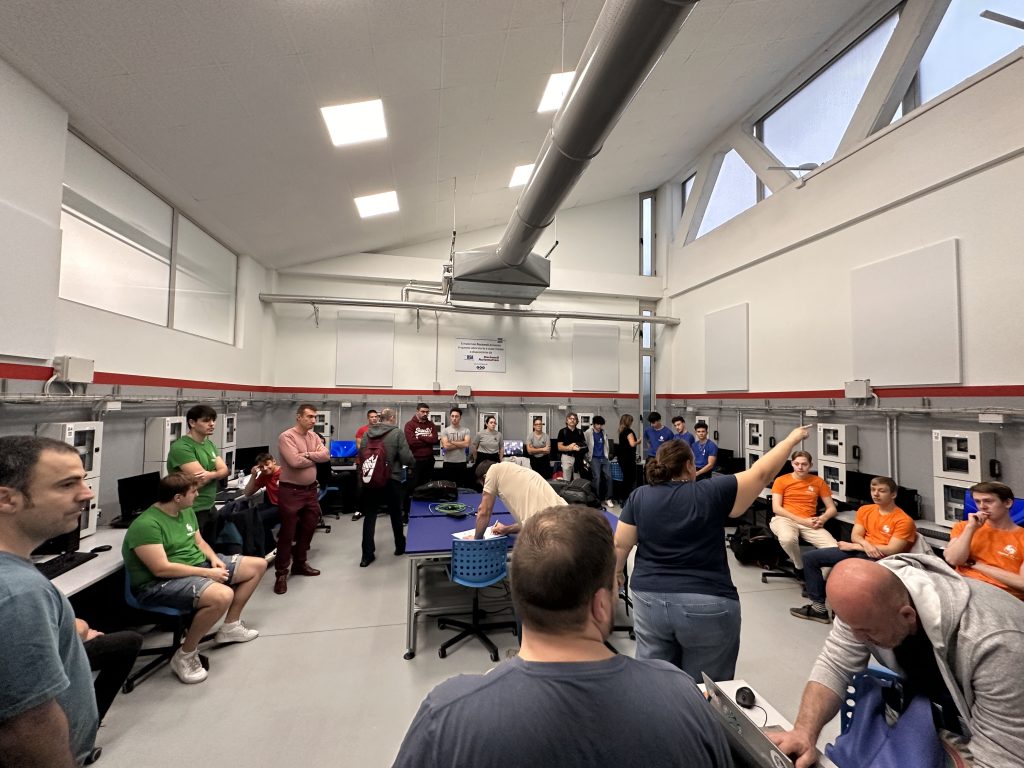
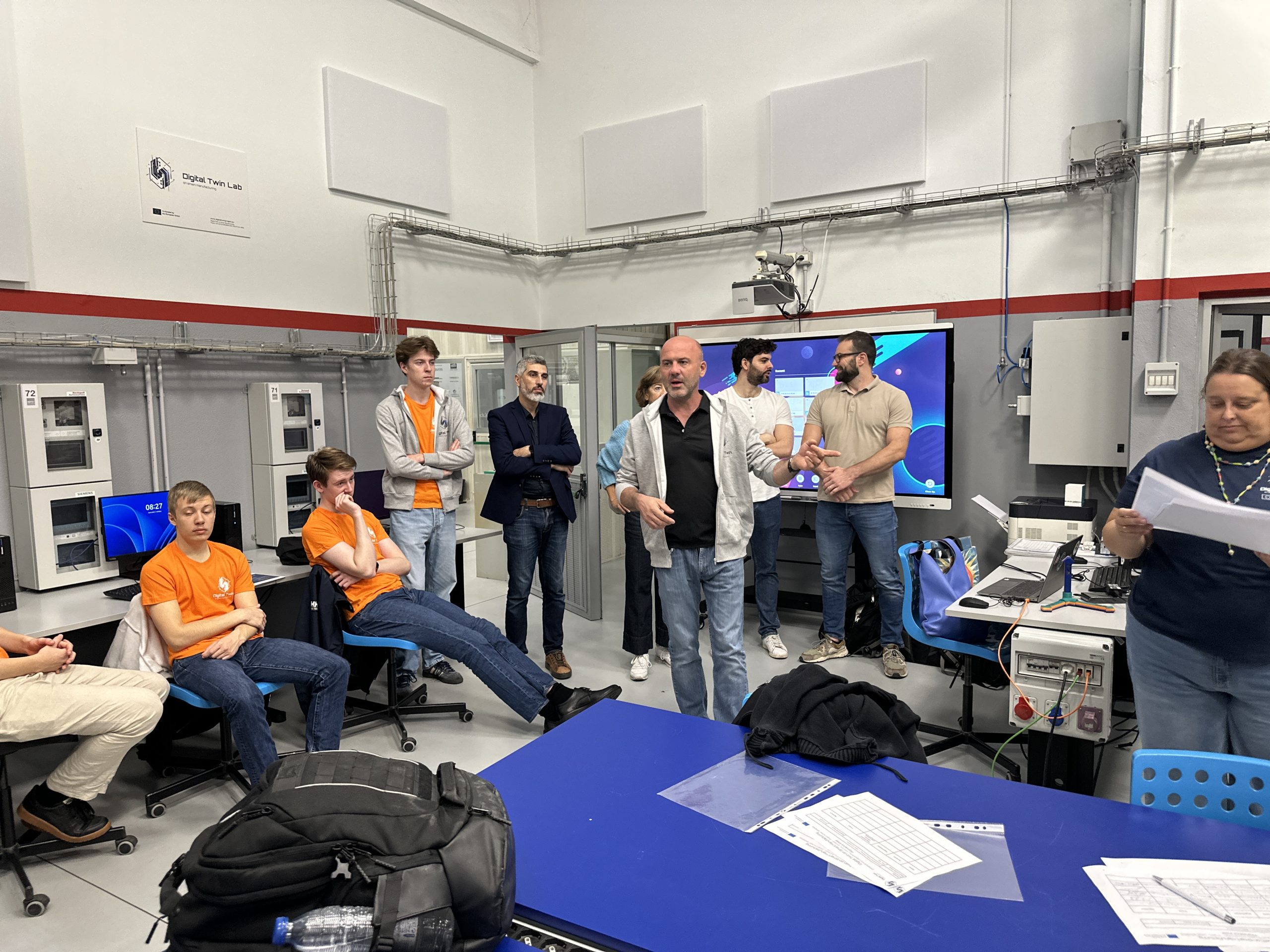
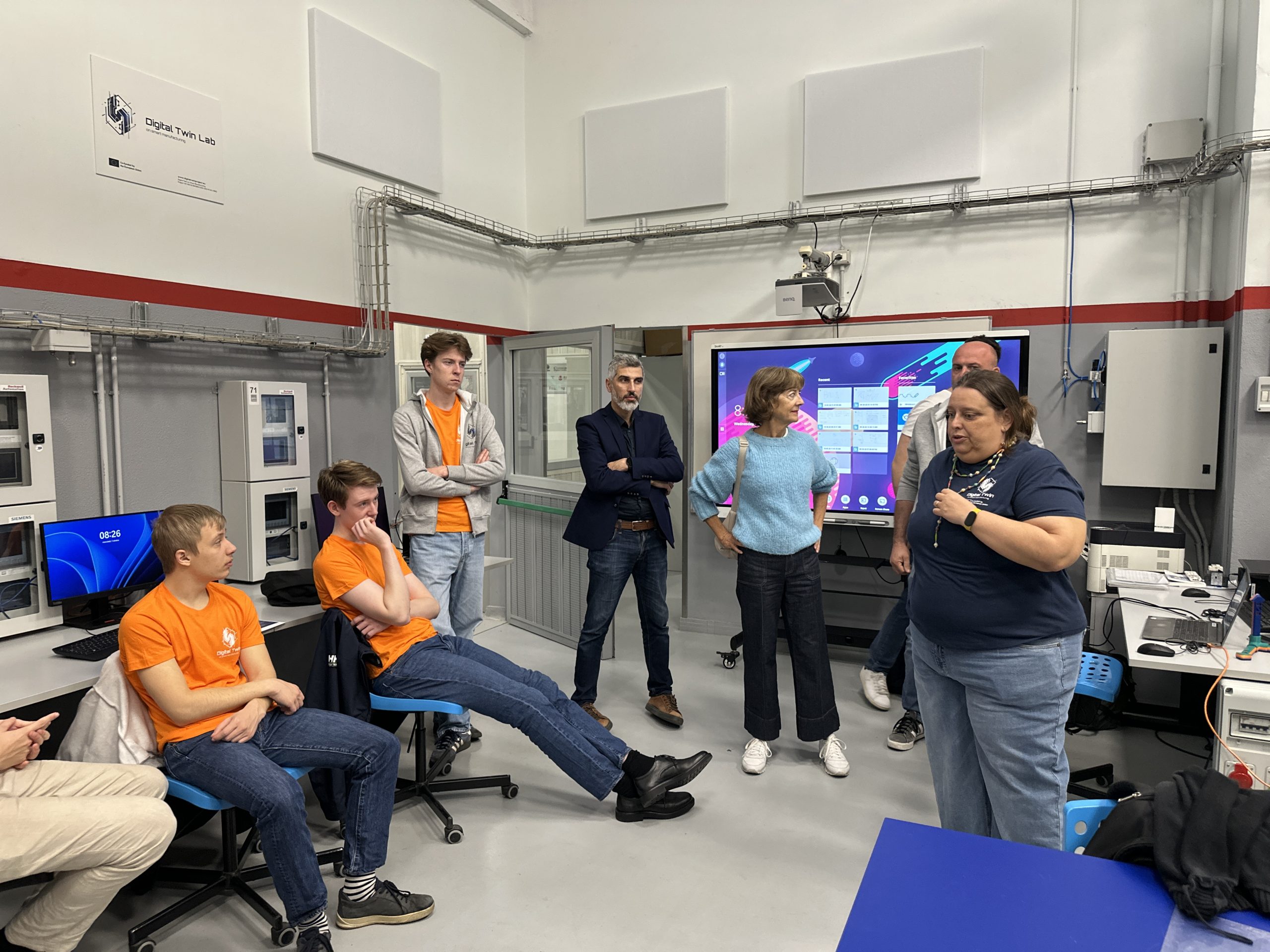
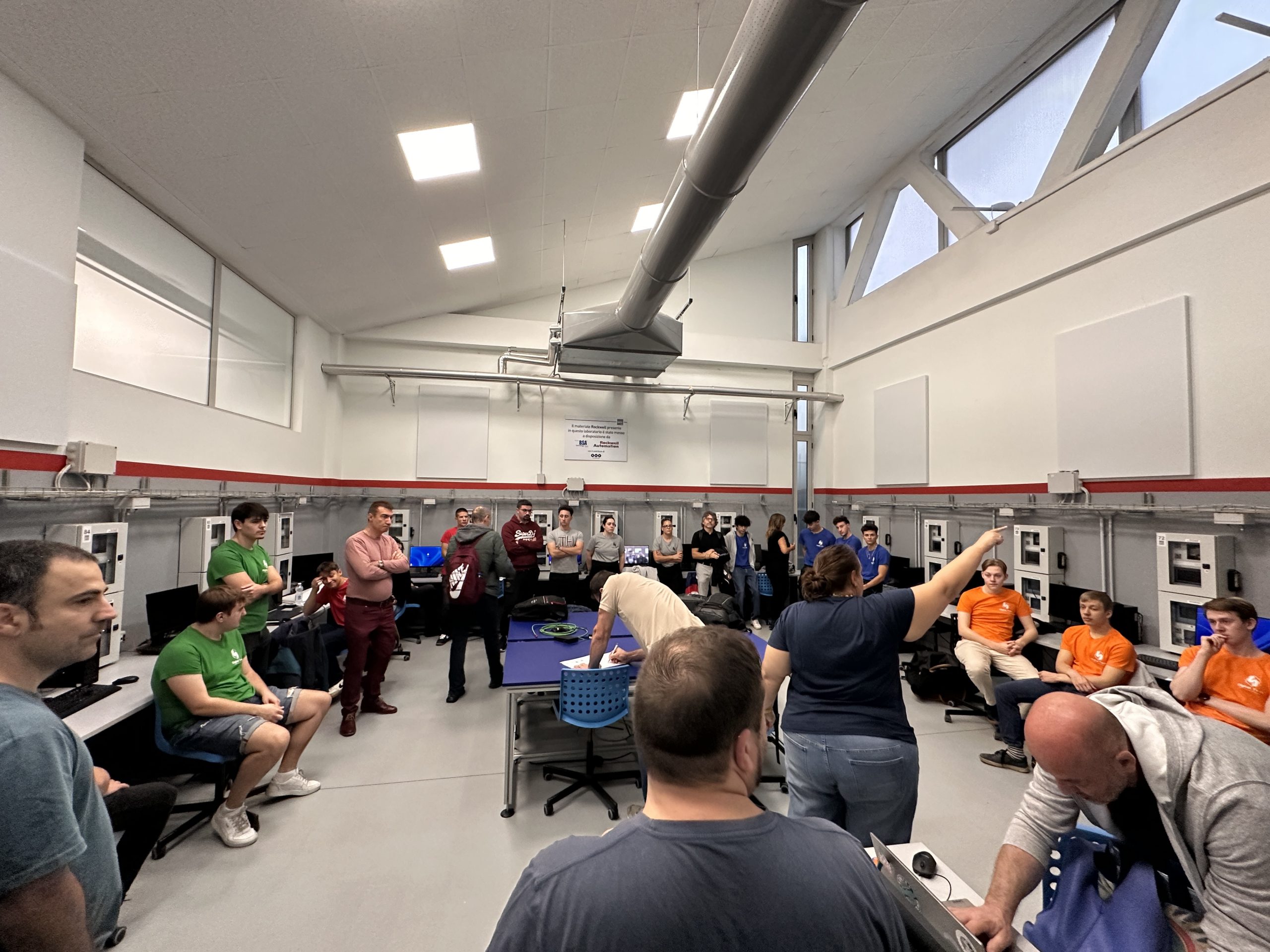
The competition was the culmination of the project’s pilot phase which ran for more than 6 months and now challenged participants to apply advanced digital manufacturing skills to realistic industrial scenarios, showcasing the growing importance of Digital Twin technologies in modern industry. Before we get into that however, let us introduce you to the competing teams.
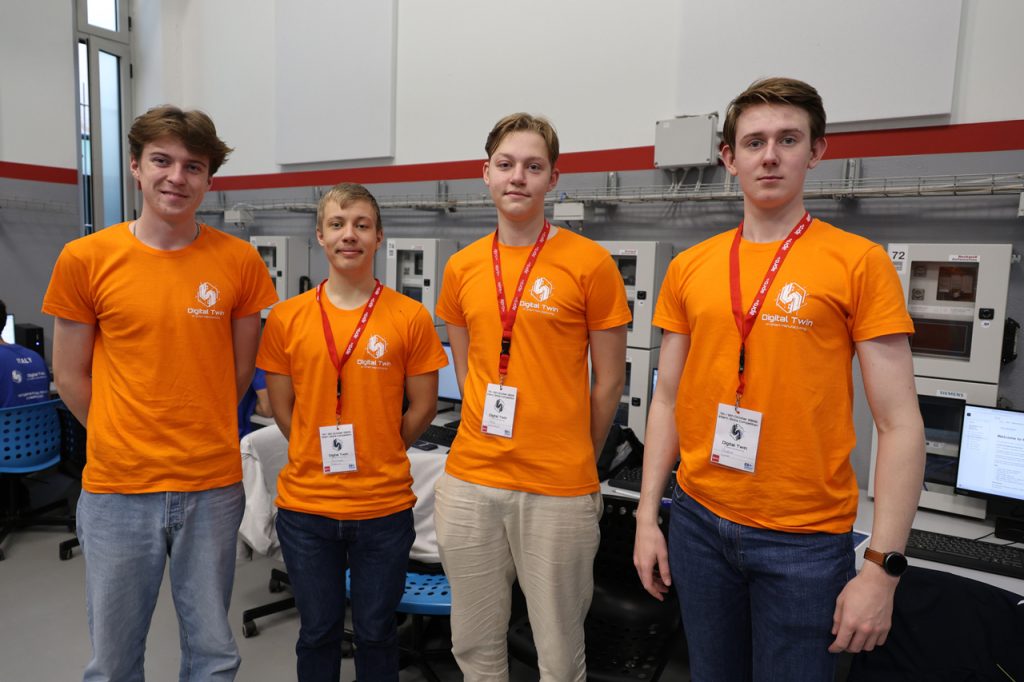 Team “Redstone”: Ludvig, Alexander, Vilhelm and Felix | Goteborgs Tekniska College AB, Sweden
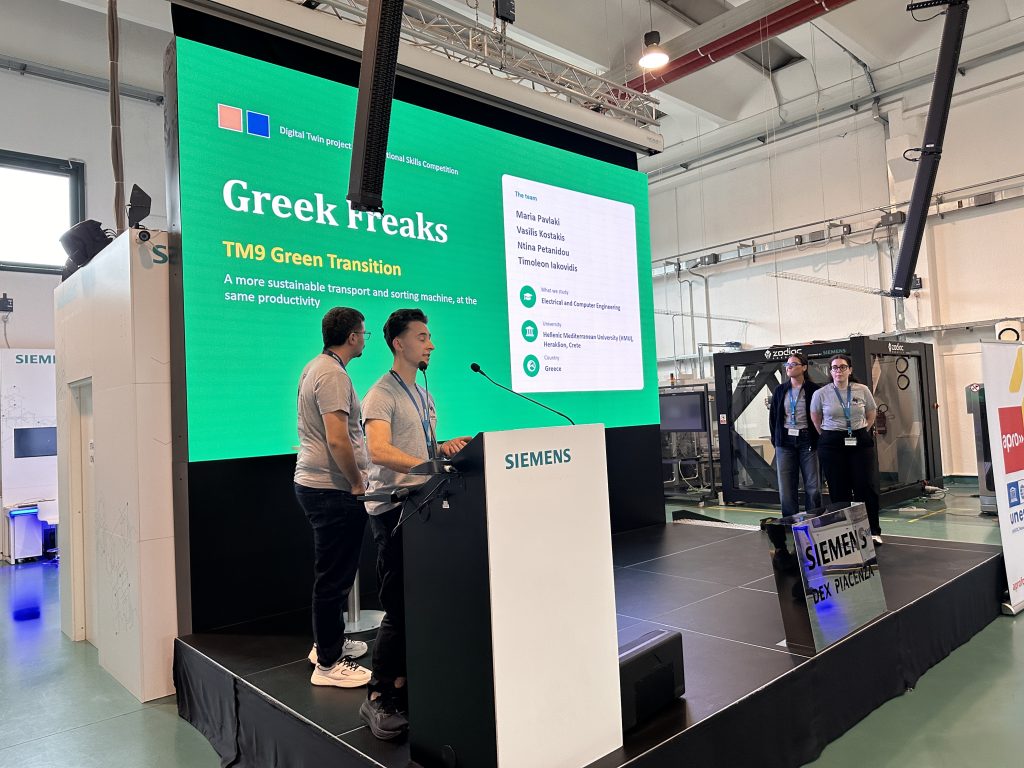
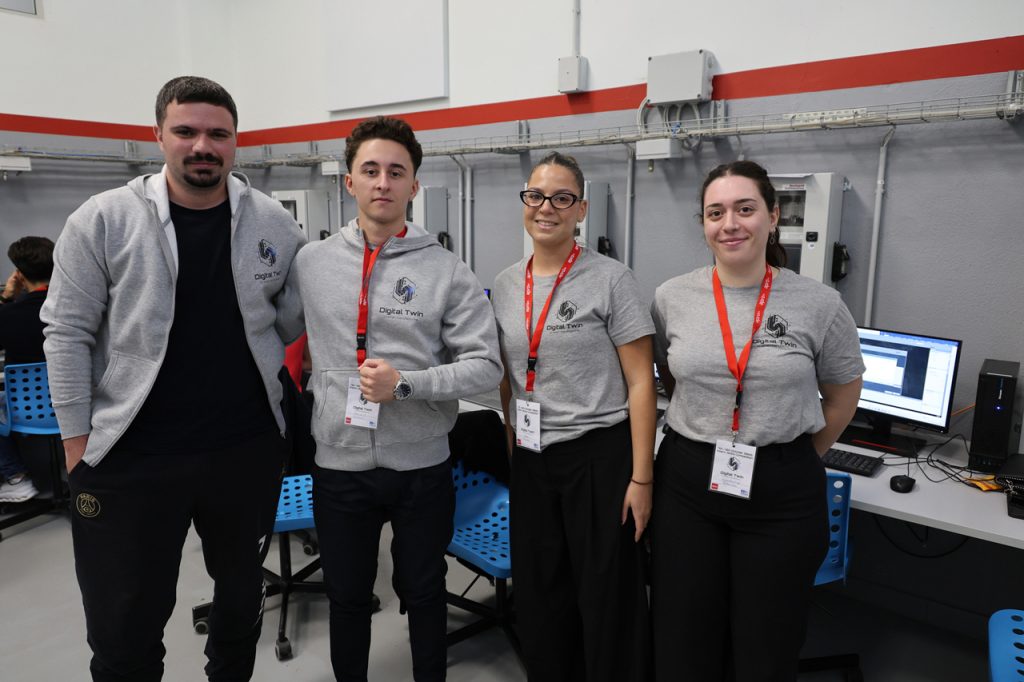 Team “ZeroTrace”: Timoleon, Vasilis, Maria and Konstantina | Hellenic Mediterranean University, Greece
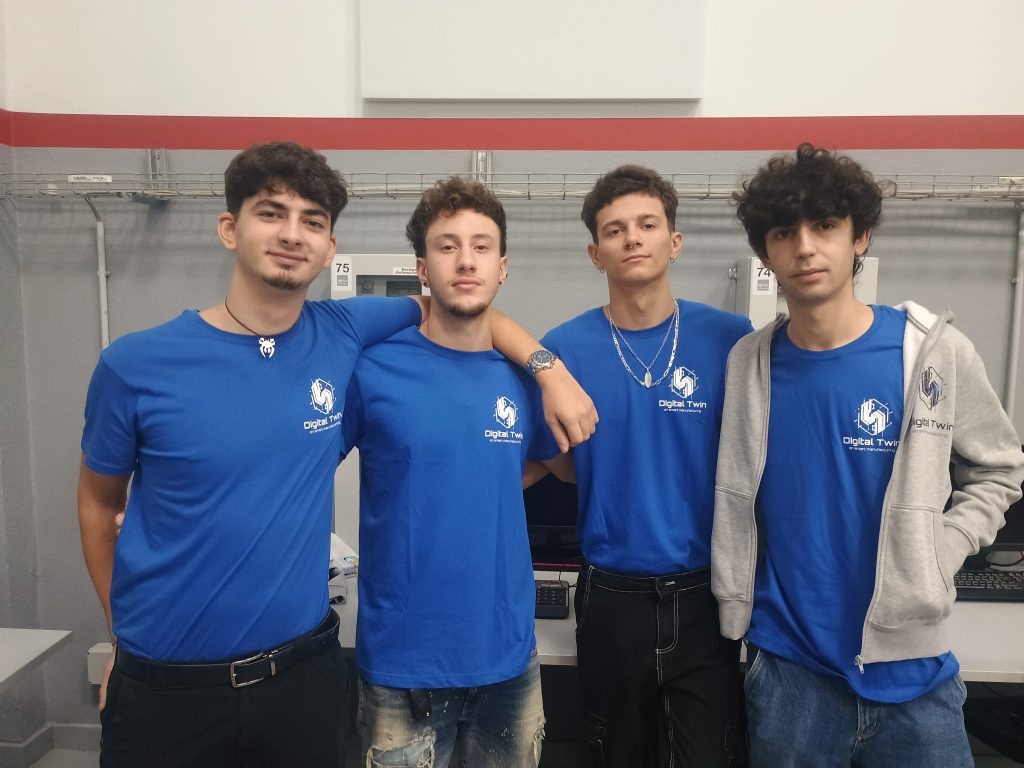 Team “AproTech“: Marco, Giuseppe, Emanuel and Robert | Apro Formazione Scarl, Italy
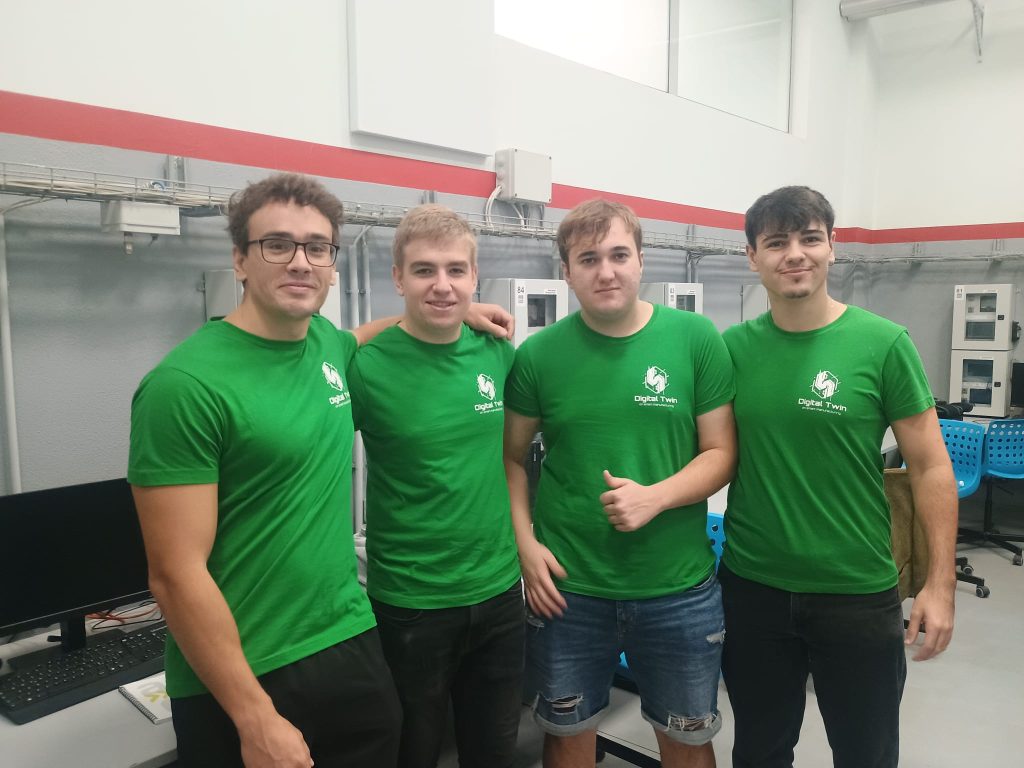 Team “TXORIERRI“: Jabi, Markel, Iker, and Ander | Politeknika Txorierri, Basque Country / Spain
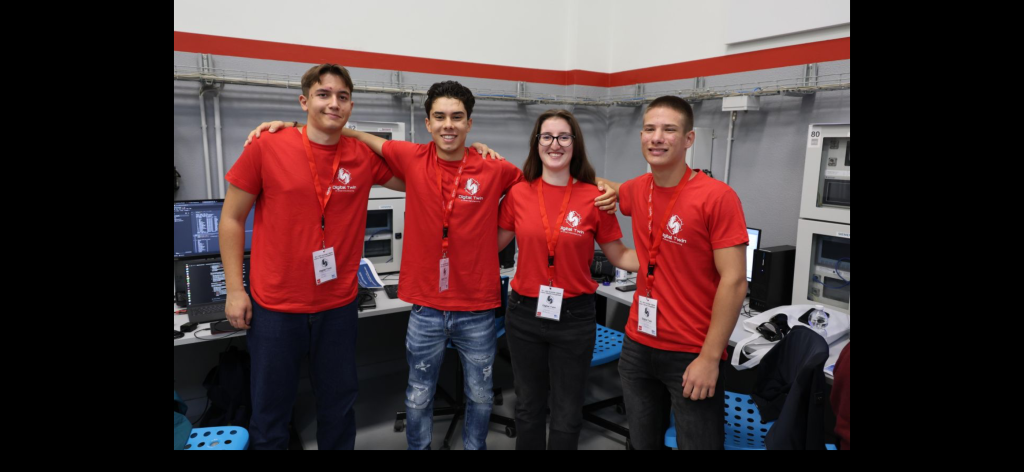 Team “Balkan Lions”: Boris, Venelin, Valeriya, Victor | Baba Tonka High School of Mathematics, Bulgaria
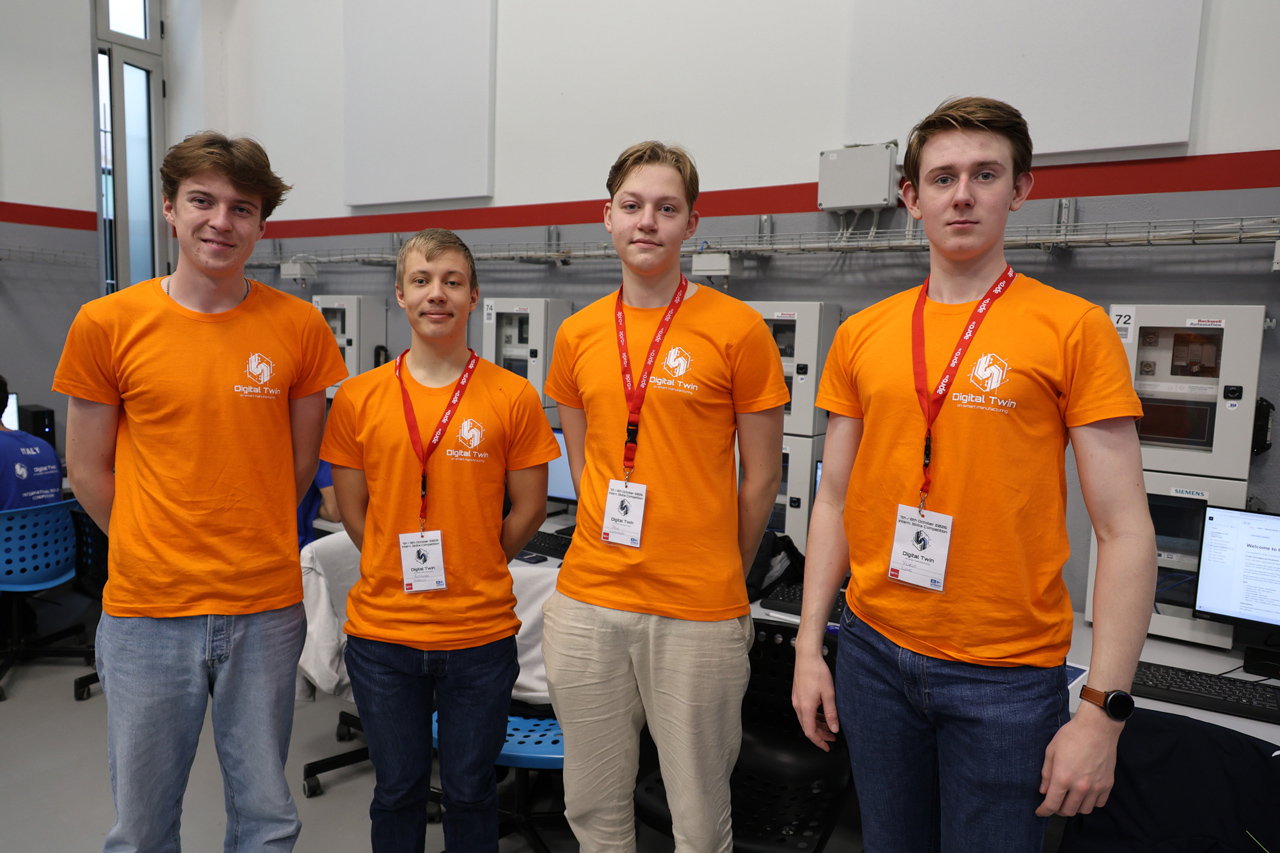
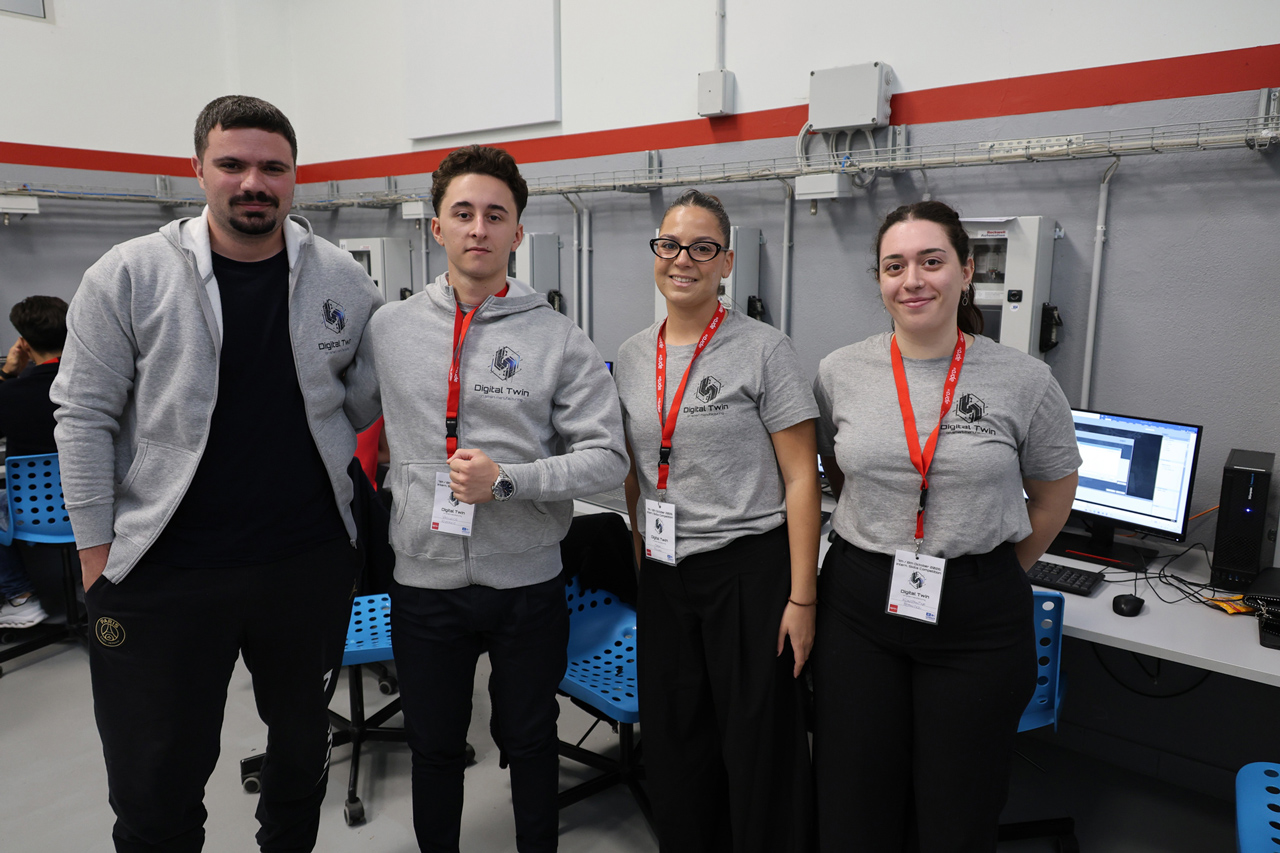
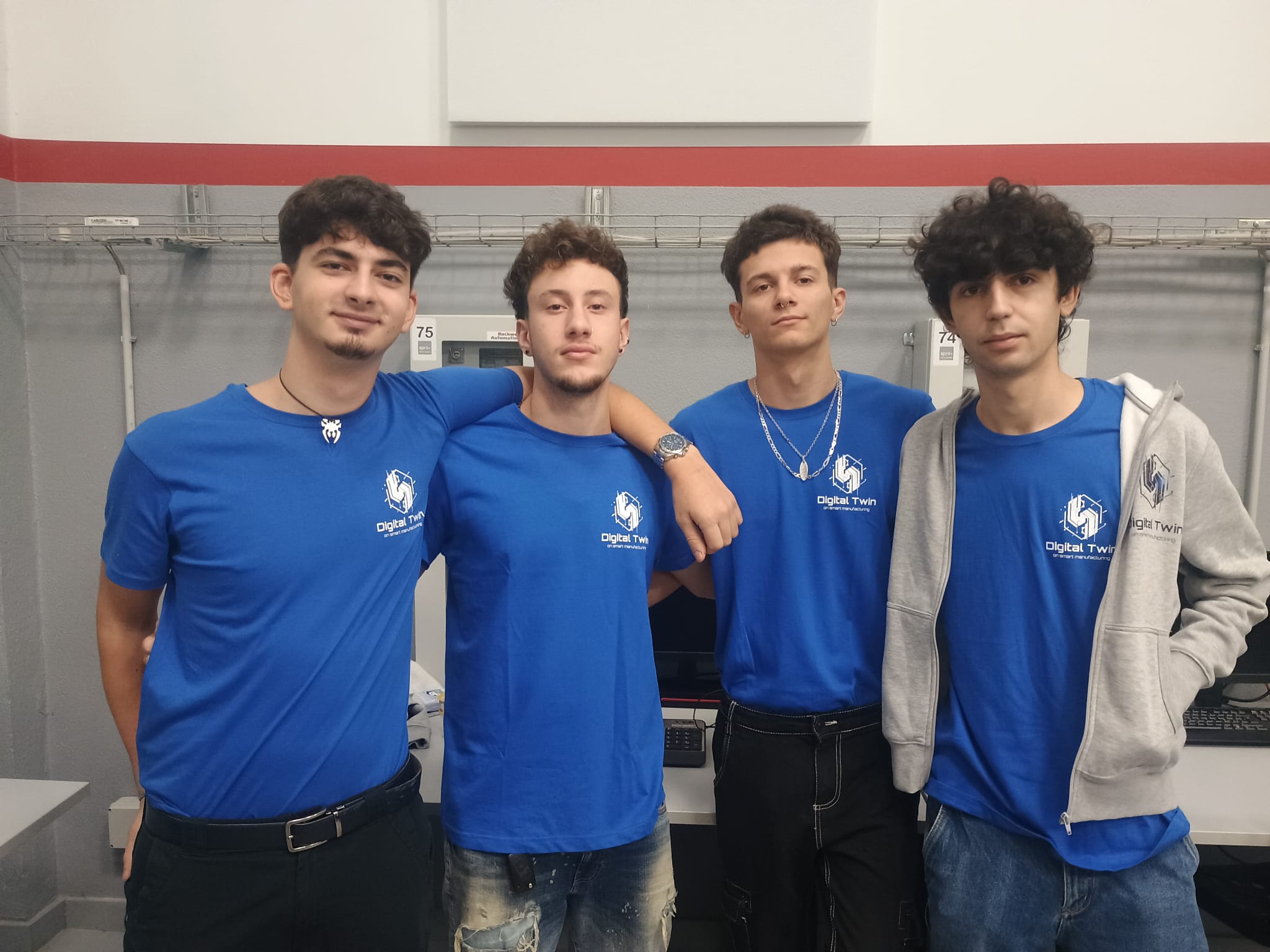
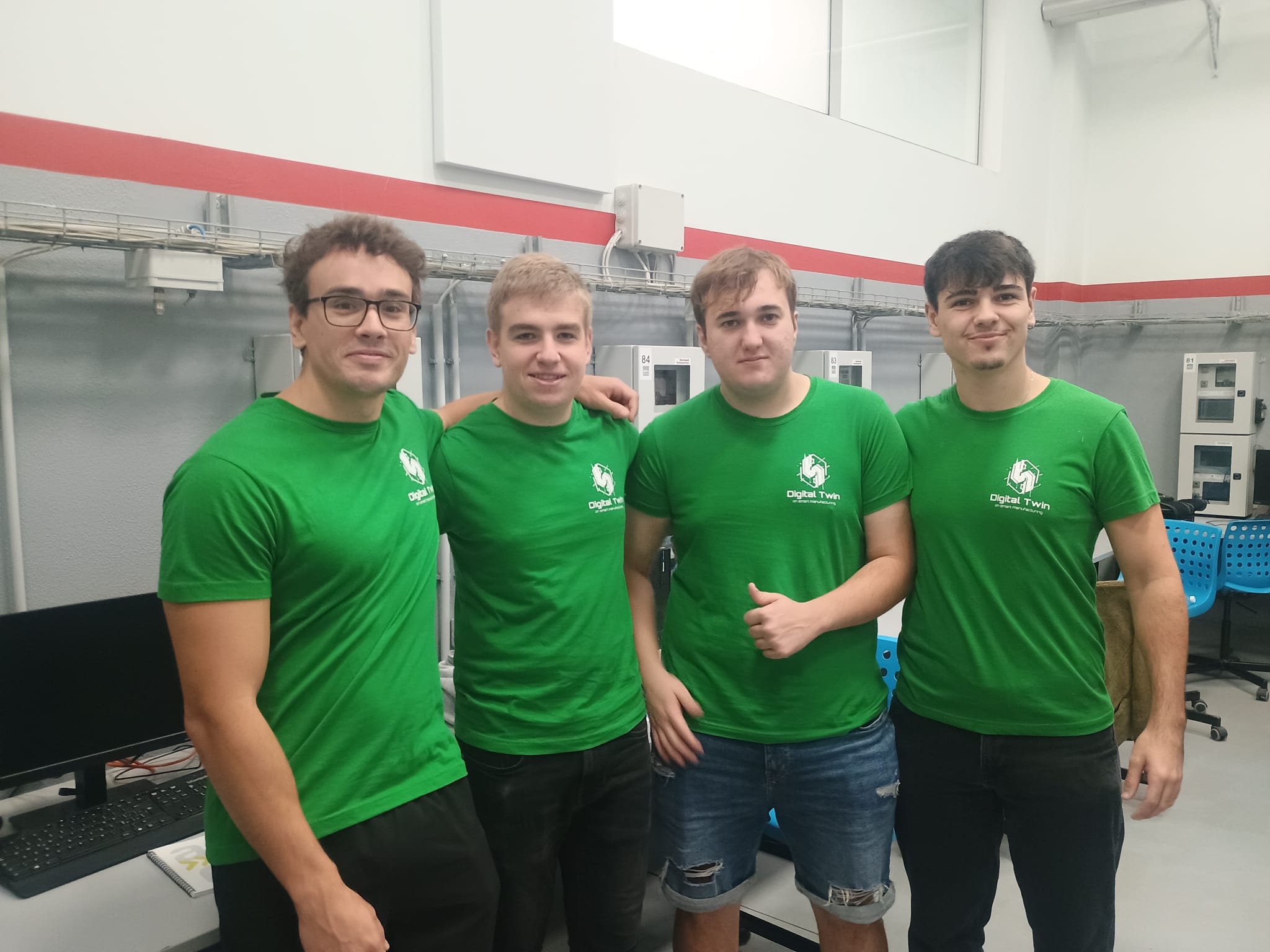
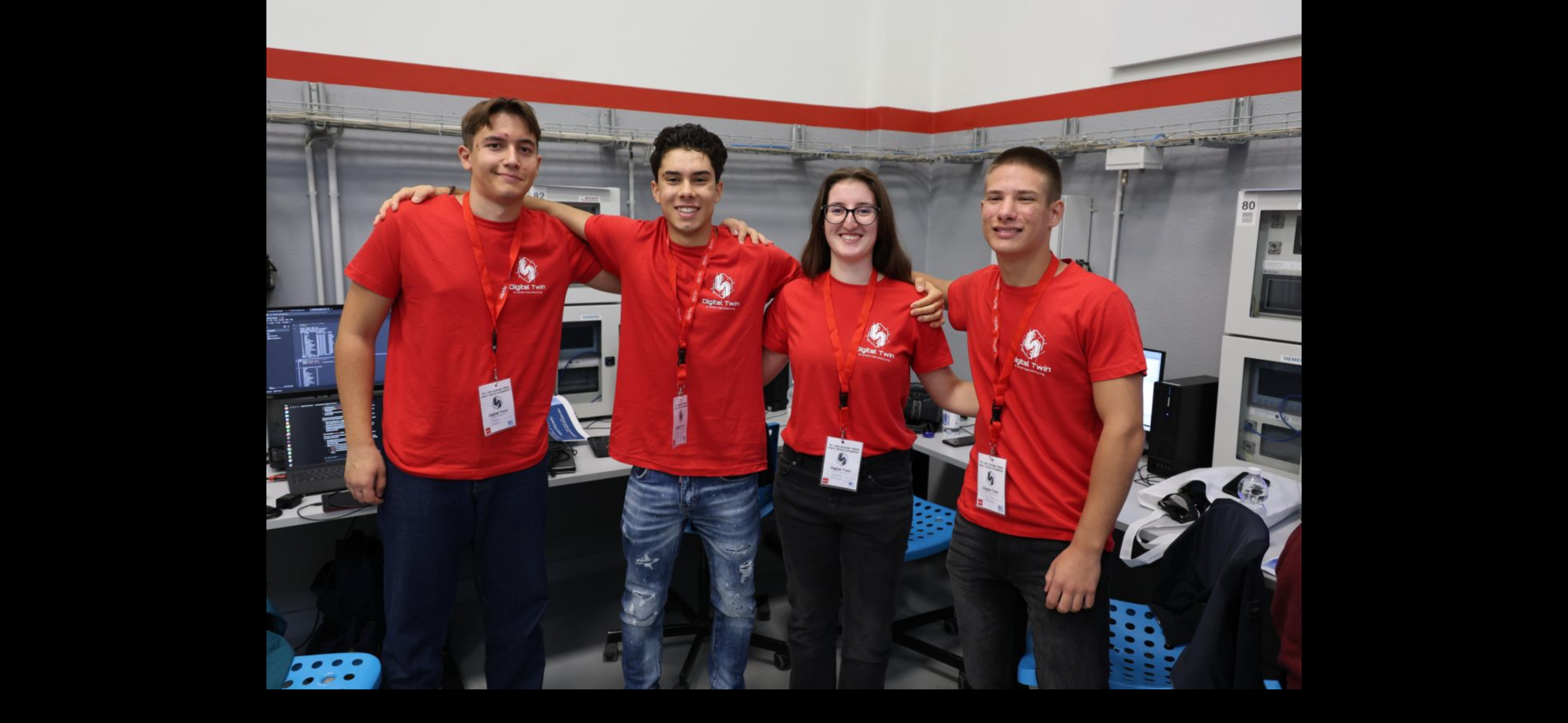
A busy day was ahead of these young digital twin enthusiasts: each team had to solve 8 complex tasks structured around the core training contents of the Digital Twin Training Course:
1. The Virtual Commissioning Assignment
Create a SIMIT virtual commissioning project that connects the PLC and NX MCD digital twin, implements the required signal exchanges and control charts, tests all machine functions, and submits the archived SIMIT project as evidence.
2. The Virtual Maintenance Assignment
Develop a virtual maintenance strategy for a product sorting machine by defining operating modes, monitoring and fault-detection methods, alarms, recovery procedures, maintenance HMI features, and performance improvements, then document findings in a Virtual Maintenance report.
3. The Business Intelligence Assignment
Analyze a credit card application dataset, build and compare multiple machine learning classification models to predict application approval, and submit a documented Jupyter Notebook explaining the implemented data analysis, preprocessing, model evaluation, and final model selection.
4. The Virtual Environment Assignment
Design and justify an XR-based preventive maintenance training application for the product sorting machine, including the virtual environment, maintenance procedures, user interactions, safety features, and user experience, and document the concept in a report with supporting rationale.
5. The Cybersecurity Assignment
Review and strengthen the cybersecurity of the digital twin’s PLC and industrial network by defining secure configurations, user access policies, authentication rules, and engineering/maintenance access controls, then document and justify recommendations in a cybersecurity report.
6. The Industrial Communication Assignment
Configure the PLC as an OPC UA server, connect an OPC UA client to monitor key machine data from the digital twin in real time, verify that the data can be accessed and updated correctly, and submit the modified project files as evidence.
7. The Green Transition Assignment
Analyze the product sorting system to identify sustainability improvements that reduce resource use or inefficiencies without lowering productivity, and propose, justify, and evaluate these improvements in a report linked to relevant SDGs.
8. The Entrepreneurial Opportunity Challenge
Identify a real-world problem that could be solved using Digital Twin technology, develop it into an entrepreneurial opportunity, explain its value, challenges, and support needs, and present your idea in an Entrepreneurial Opportunity Card (pitch).
Each team had 9 hours to complete the assignments of their choice, while the final winner were going to be determined by the total points received per each task they’ve submitted. And ready, set, go!
The competition scenario was based on a realistic industrial transport and sorting system consisting of conveyor belts, sensors, pneumatic manipulators, and automated sorting mechanisms. Competitors were required to demonstrate technical expertise in configuring, testing, optimizing, and validating Digital Twin models while ensuring efficiency, reliability, and sustainability. Participants worked with professional industrial software such as Siemens NX MCD, SIMIT and TIA PORTAL and the Digital Twin environments (training platform, virtual labs) to solve these practical manufacturing problems, validate system behavior, optimize production processes, and develop innovative solutions for smart factories.
After an intense day of competition and evaluation by international experts and project partners, the competition ended with a much more anticipated event – the Pizza party!
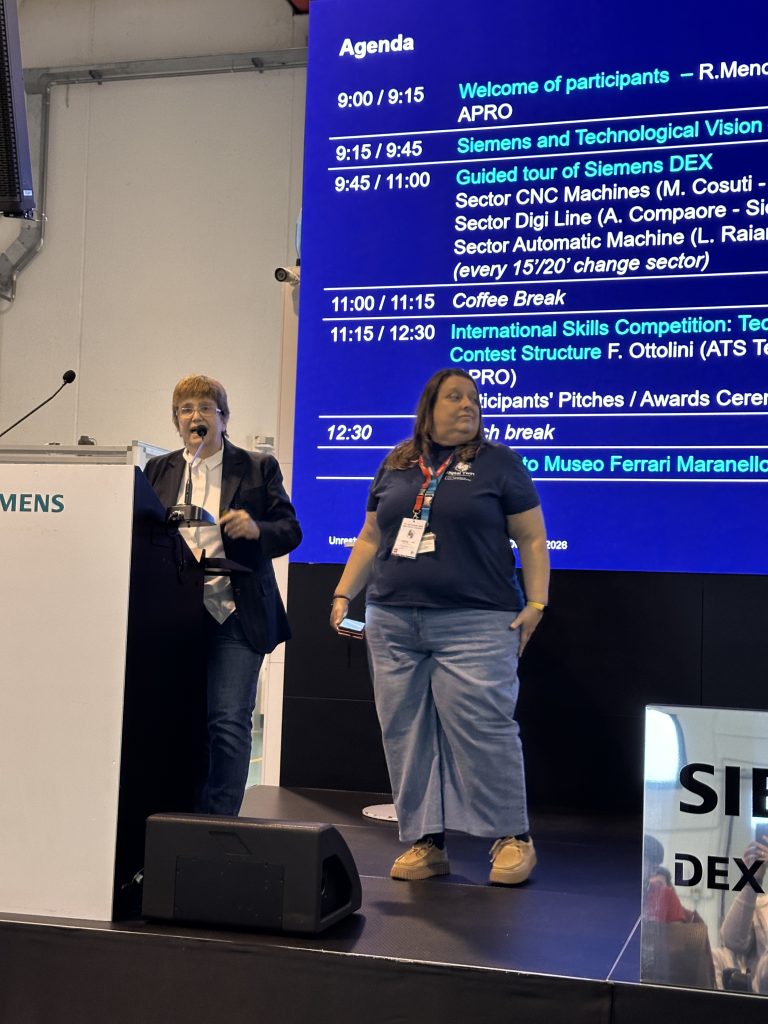
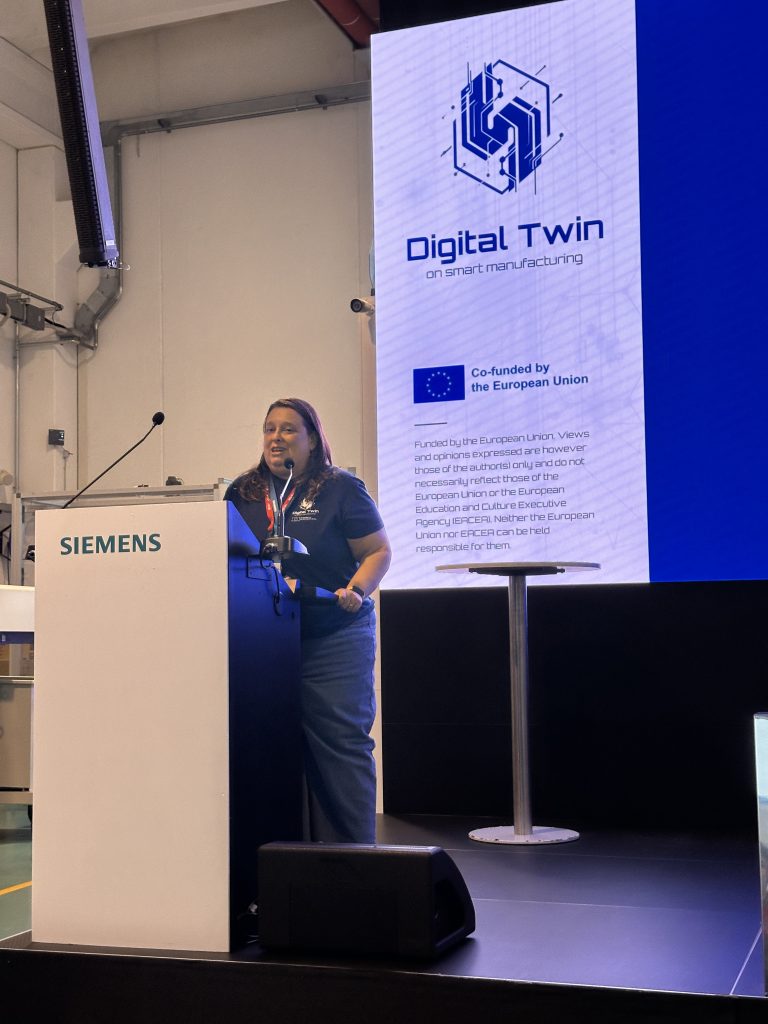
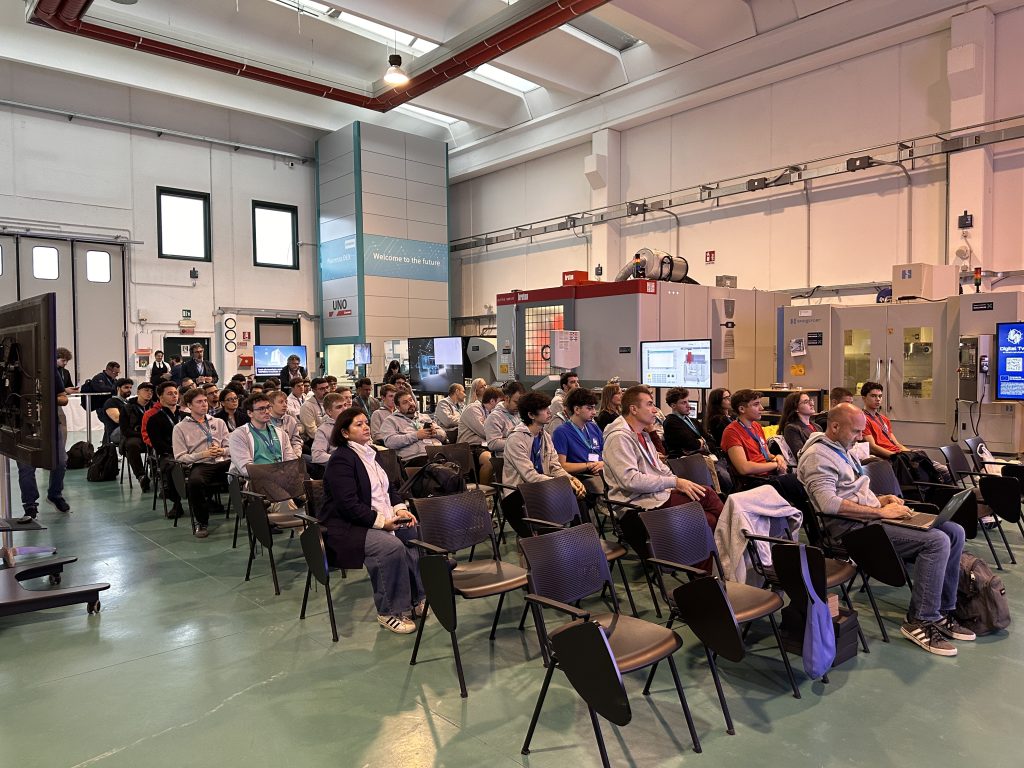
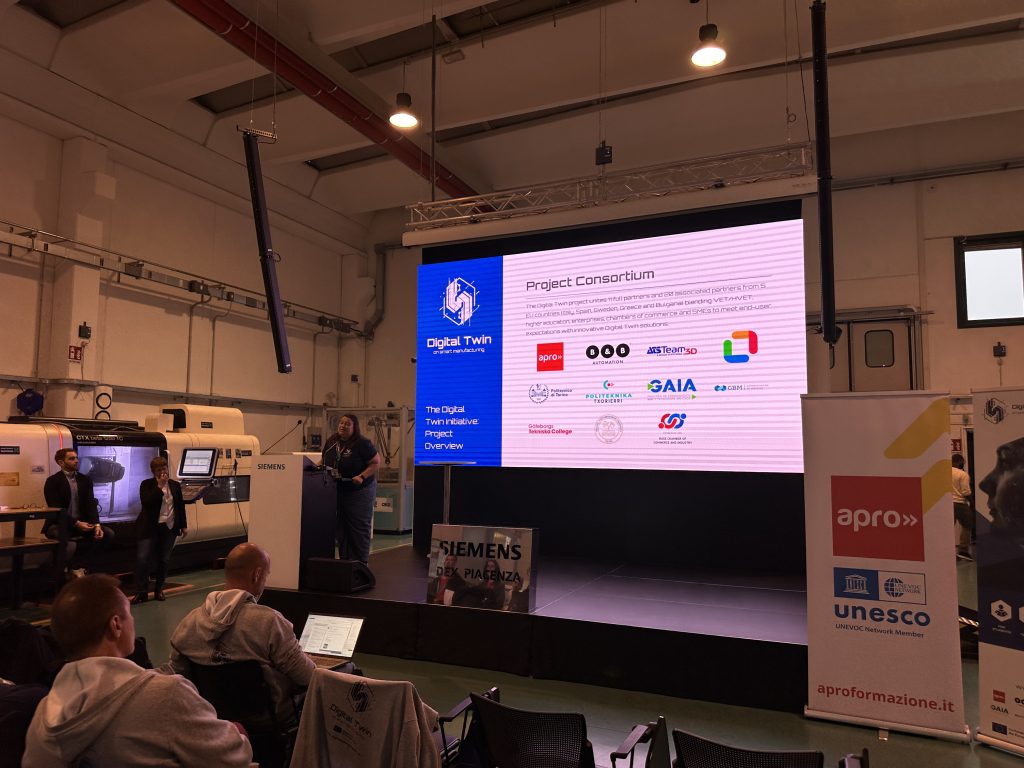
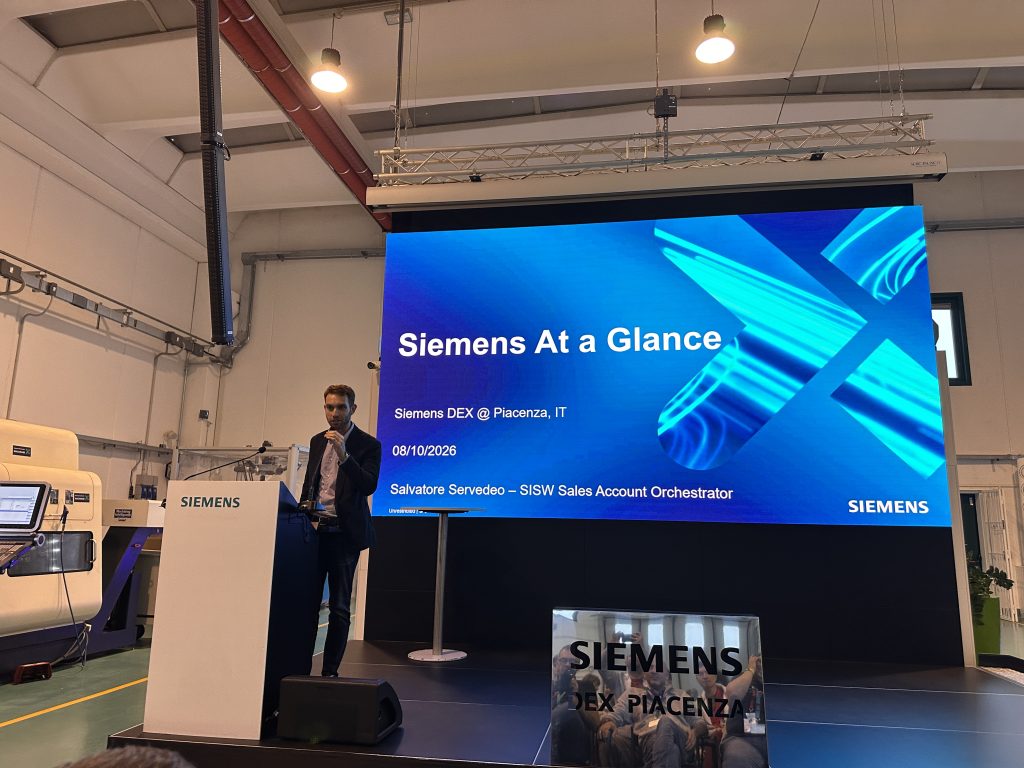
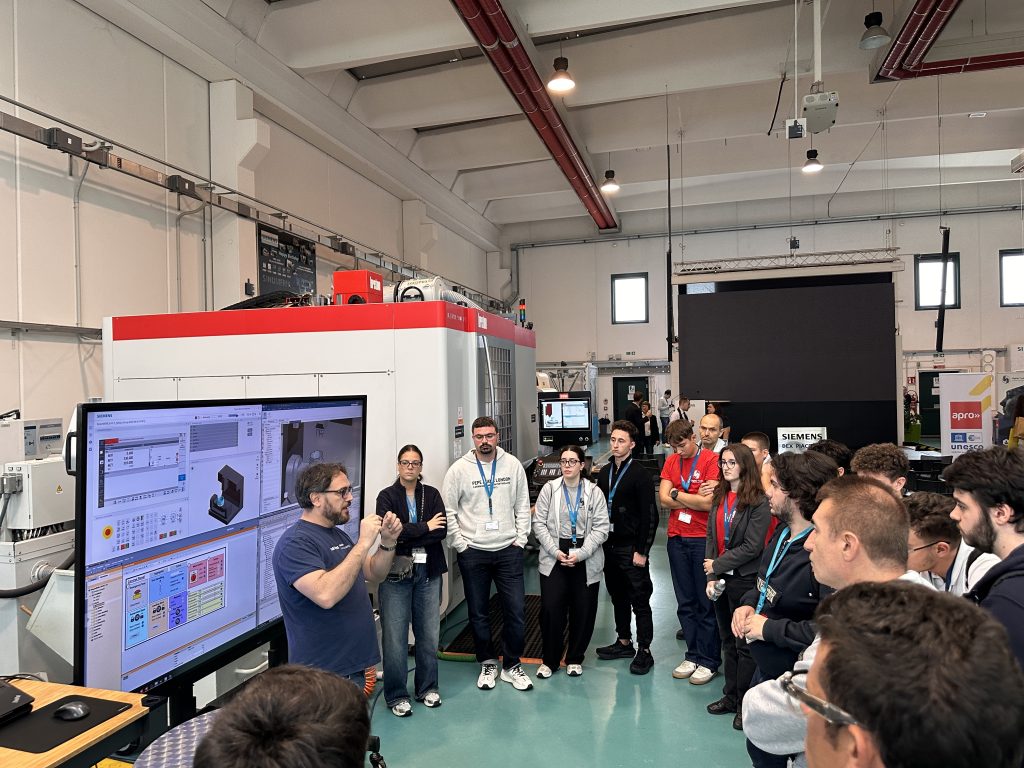
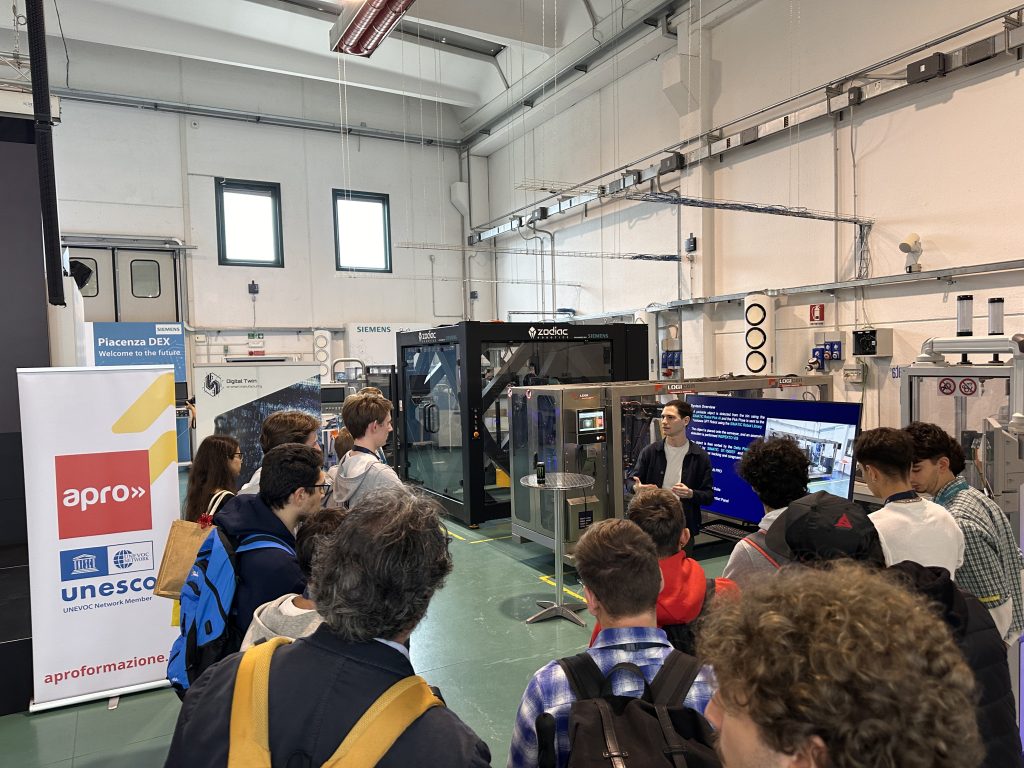
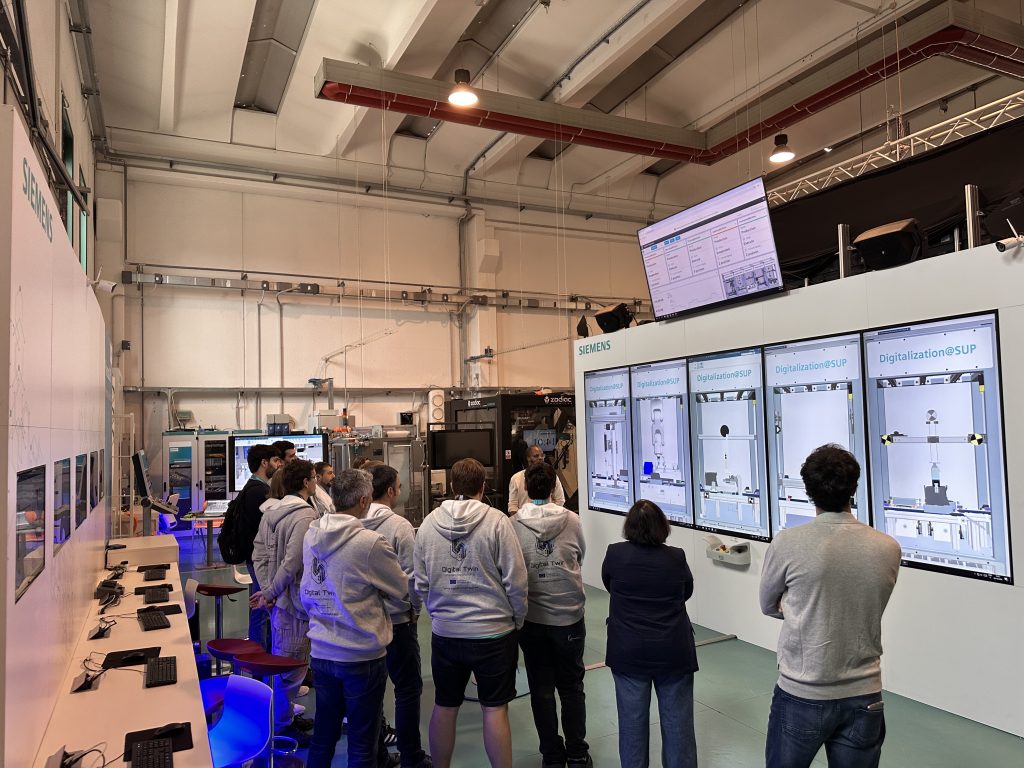
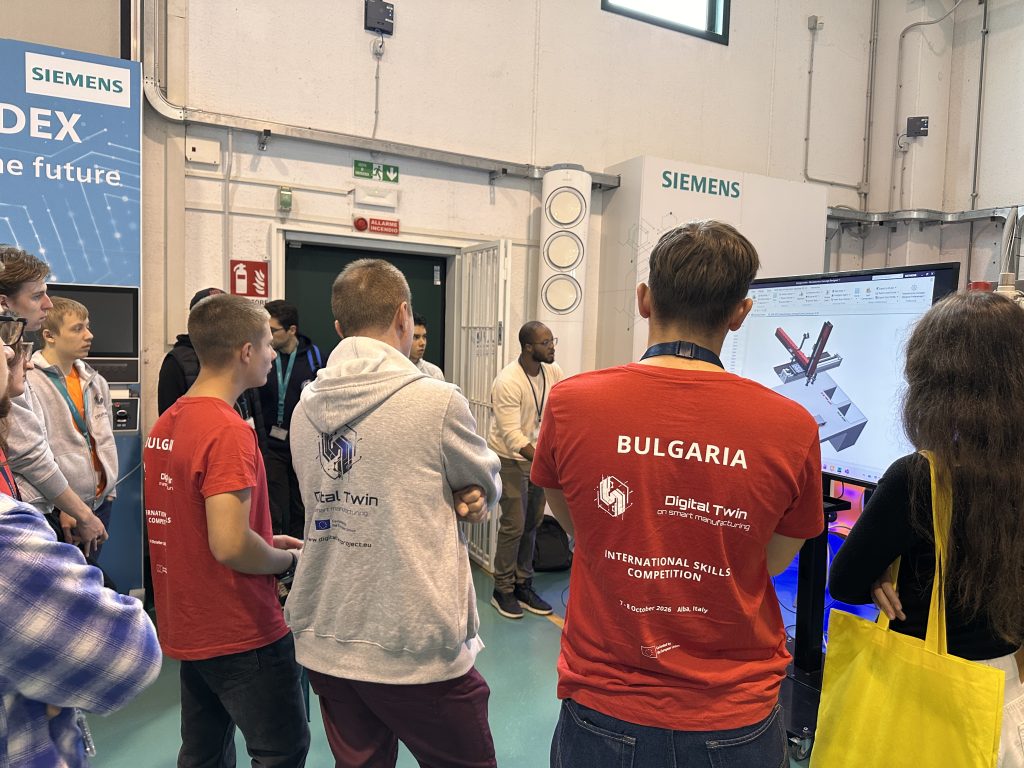
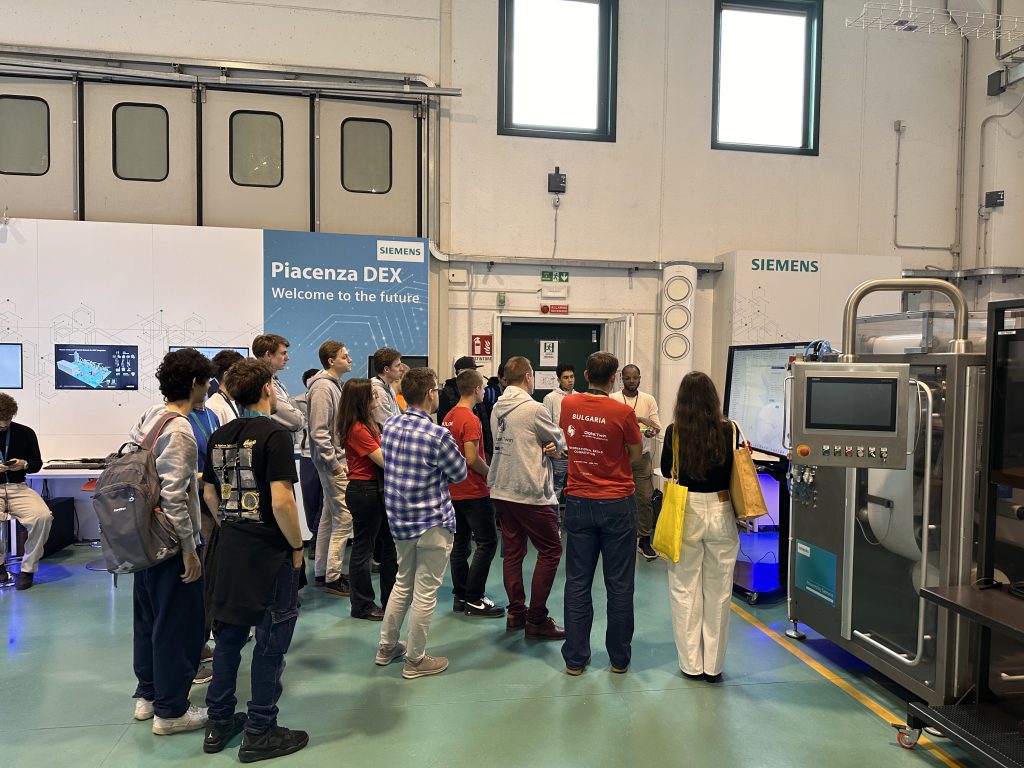
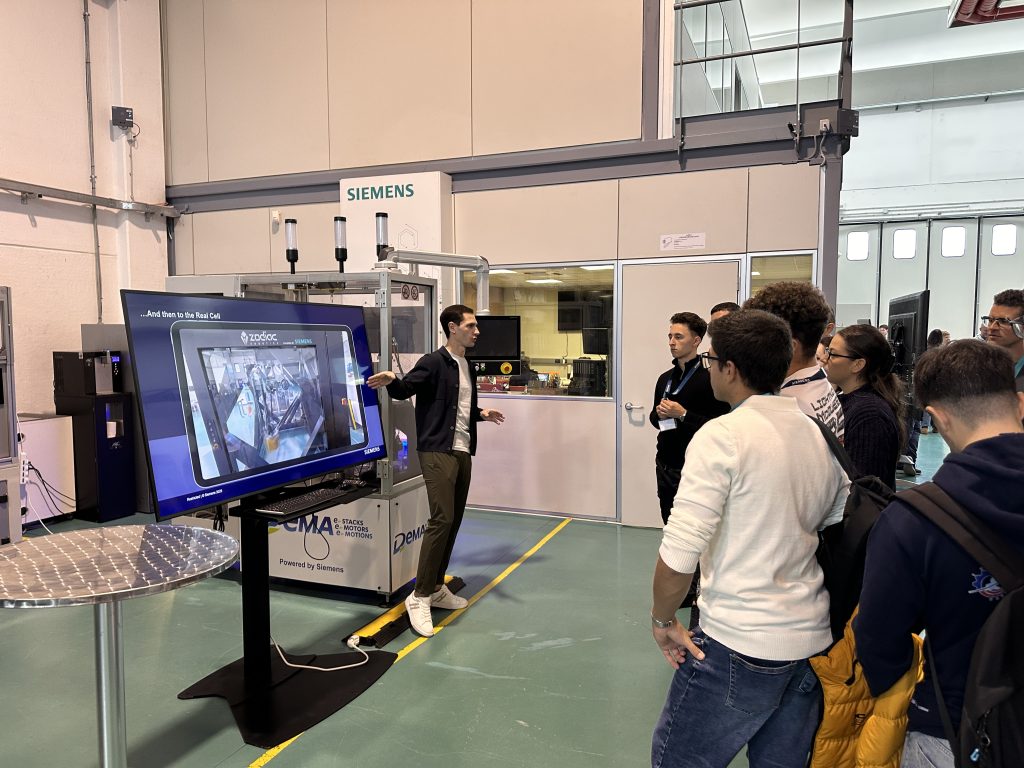
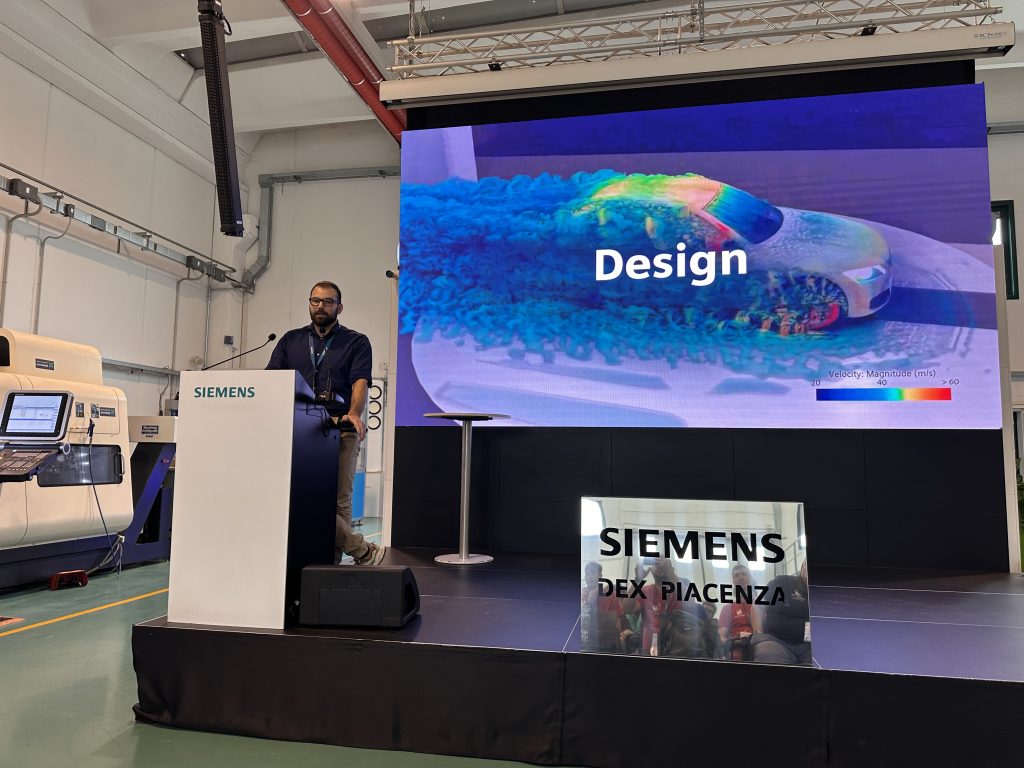
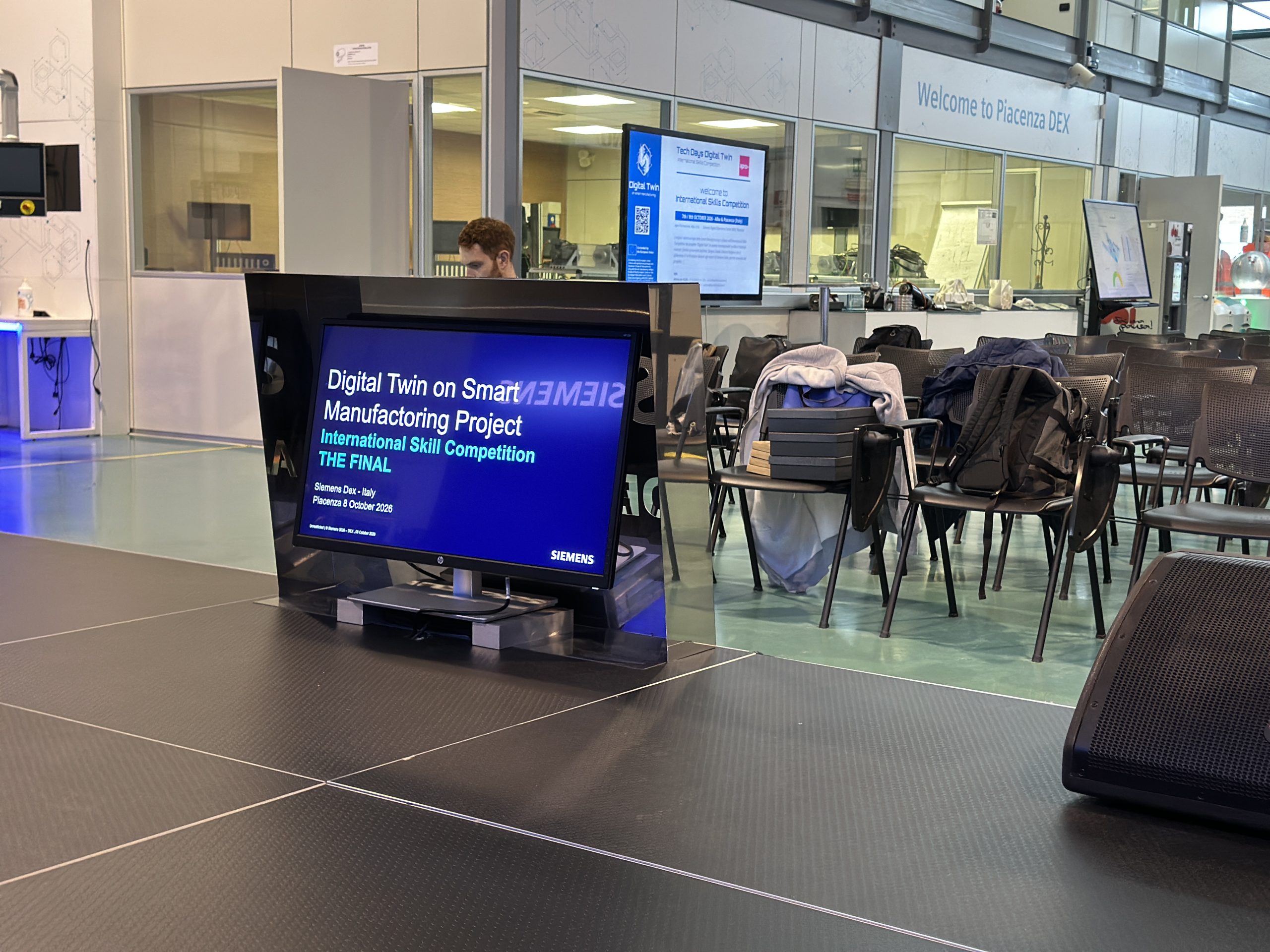
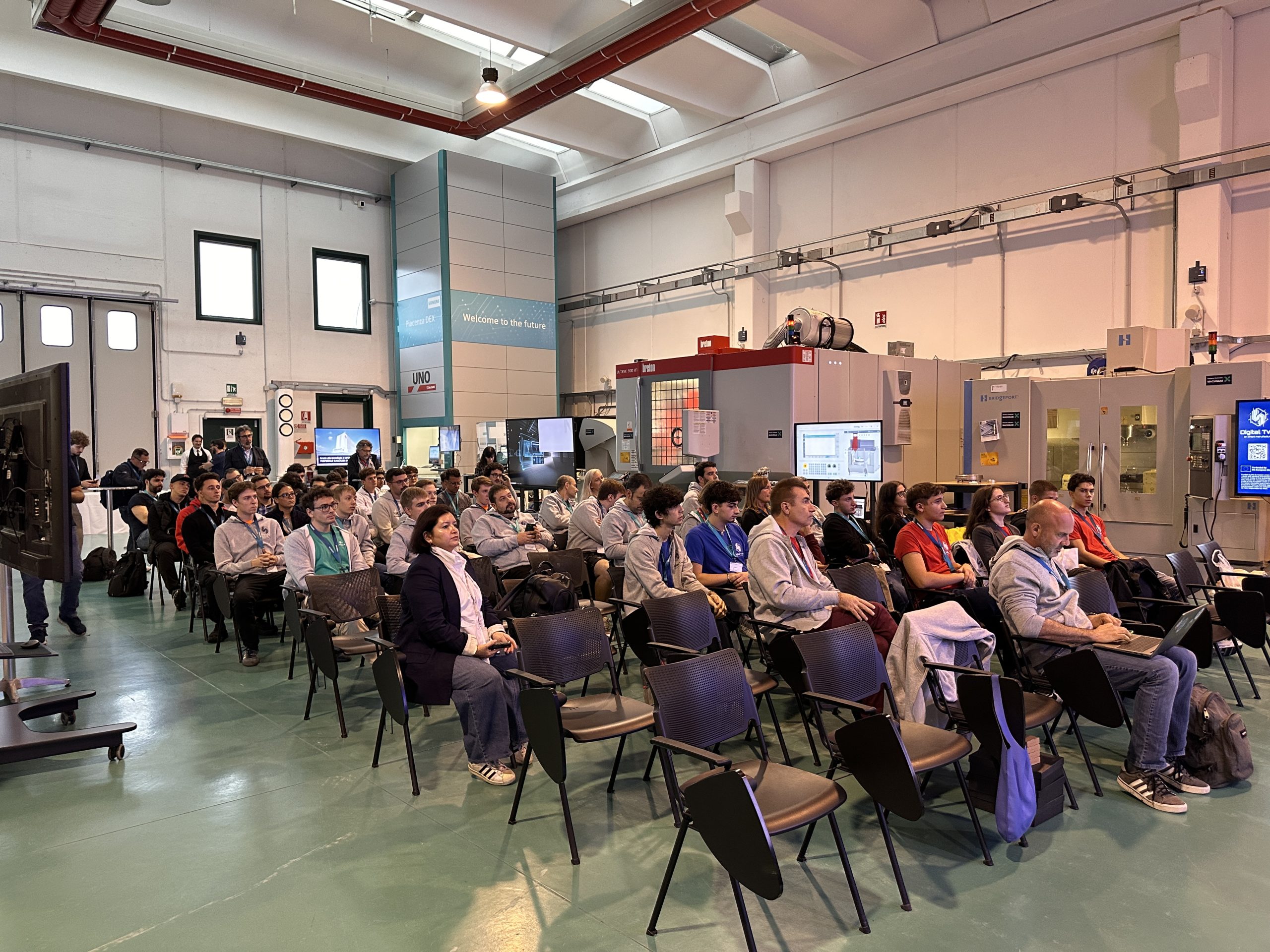
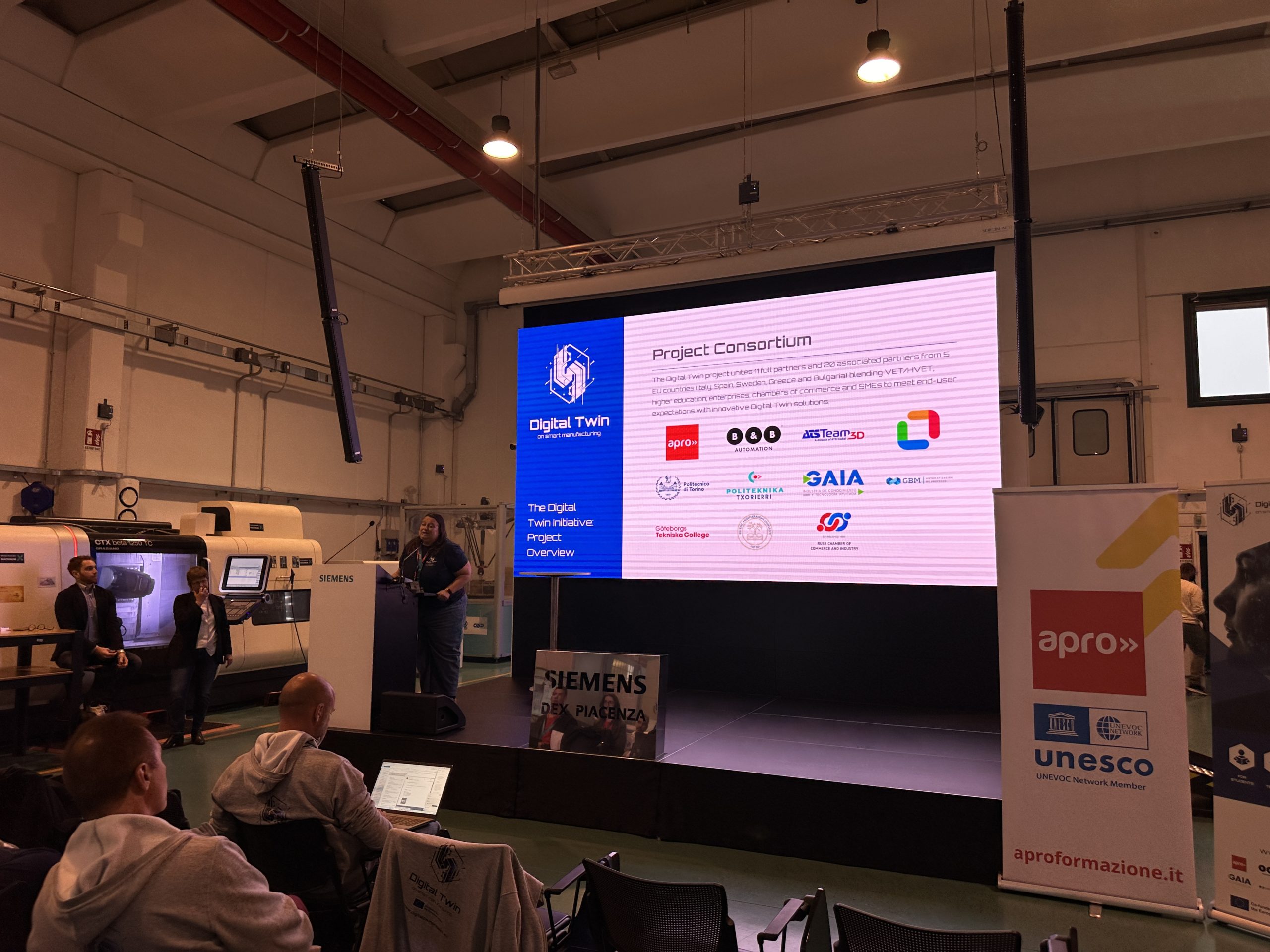
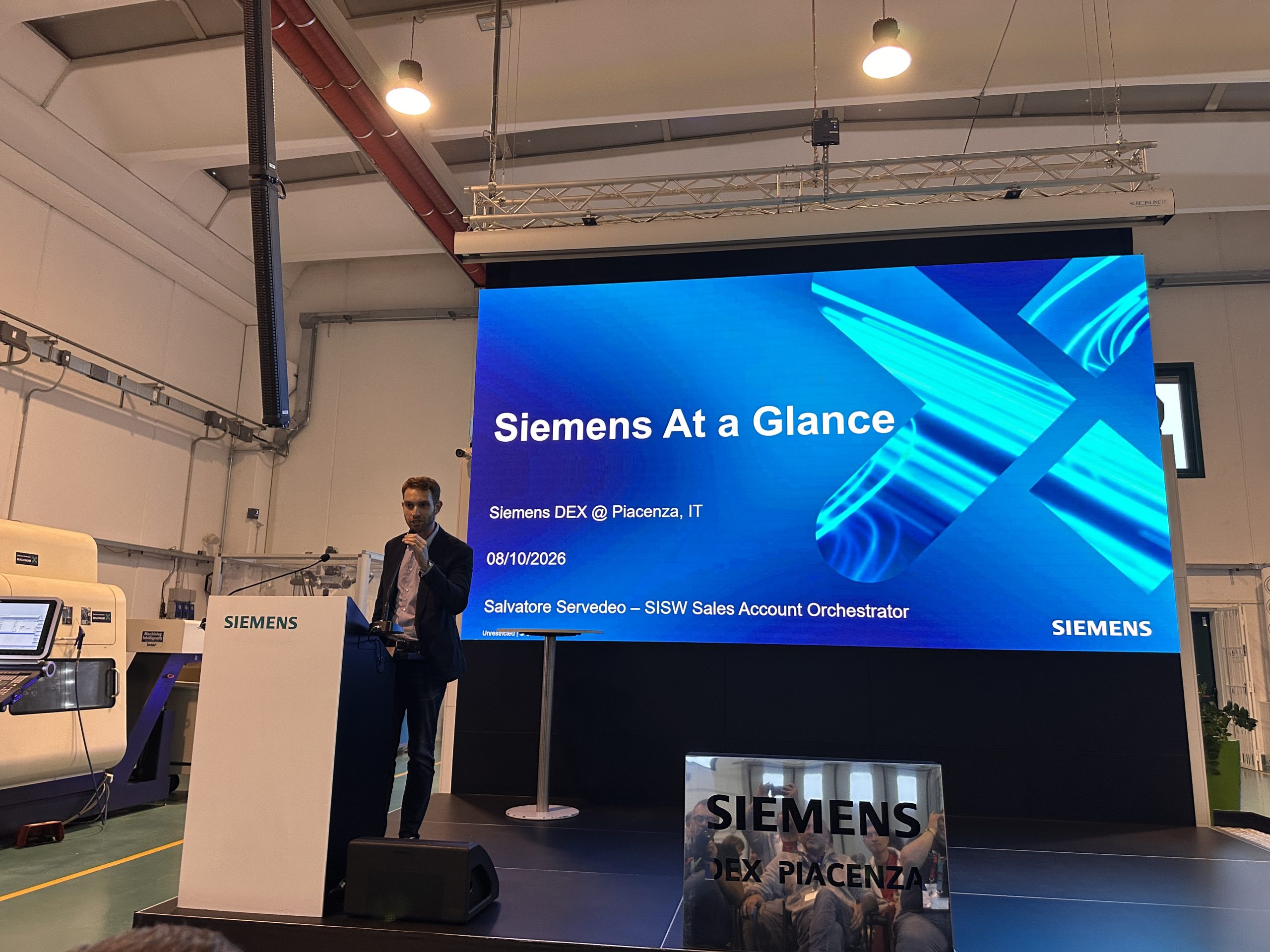
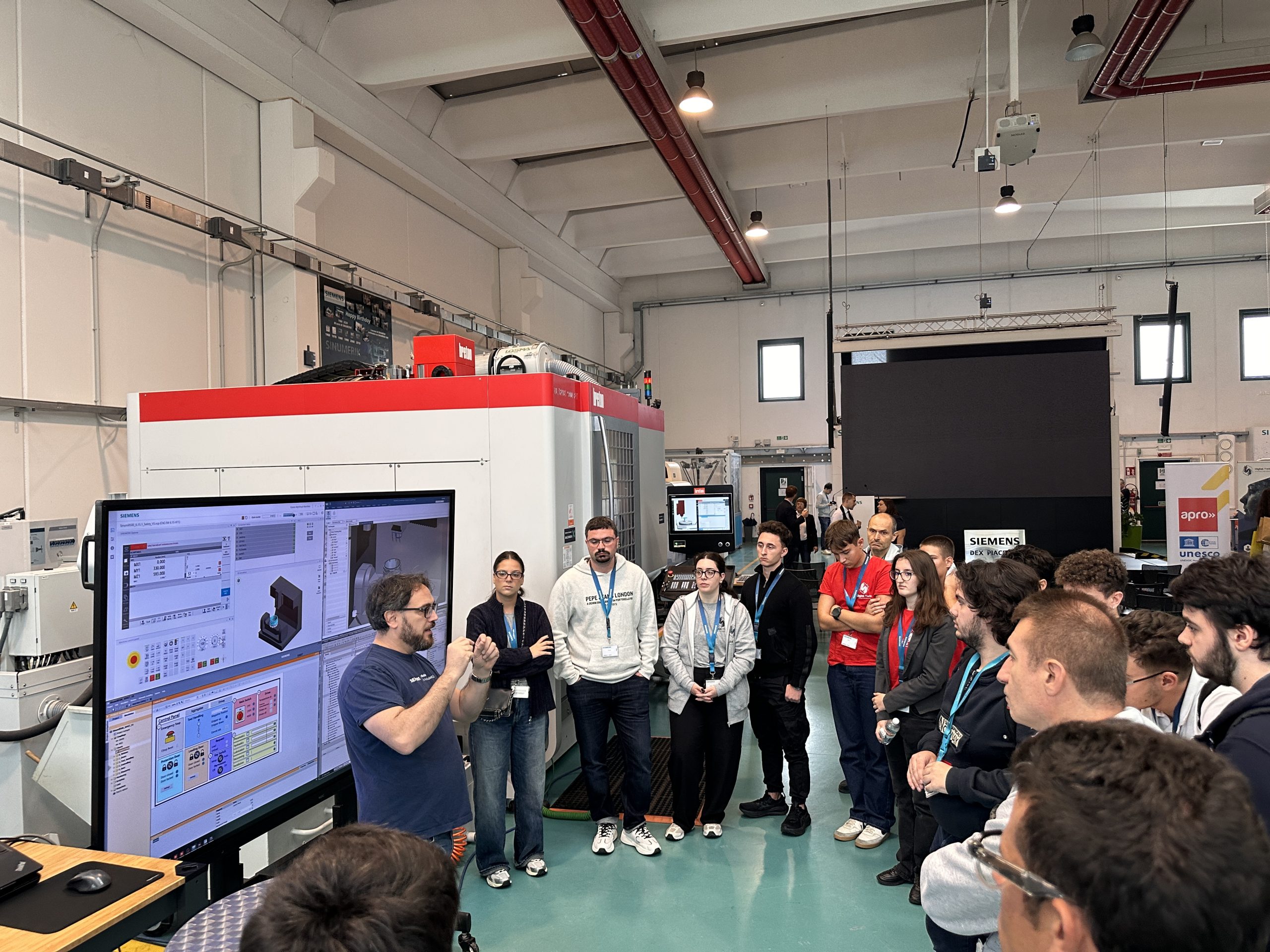
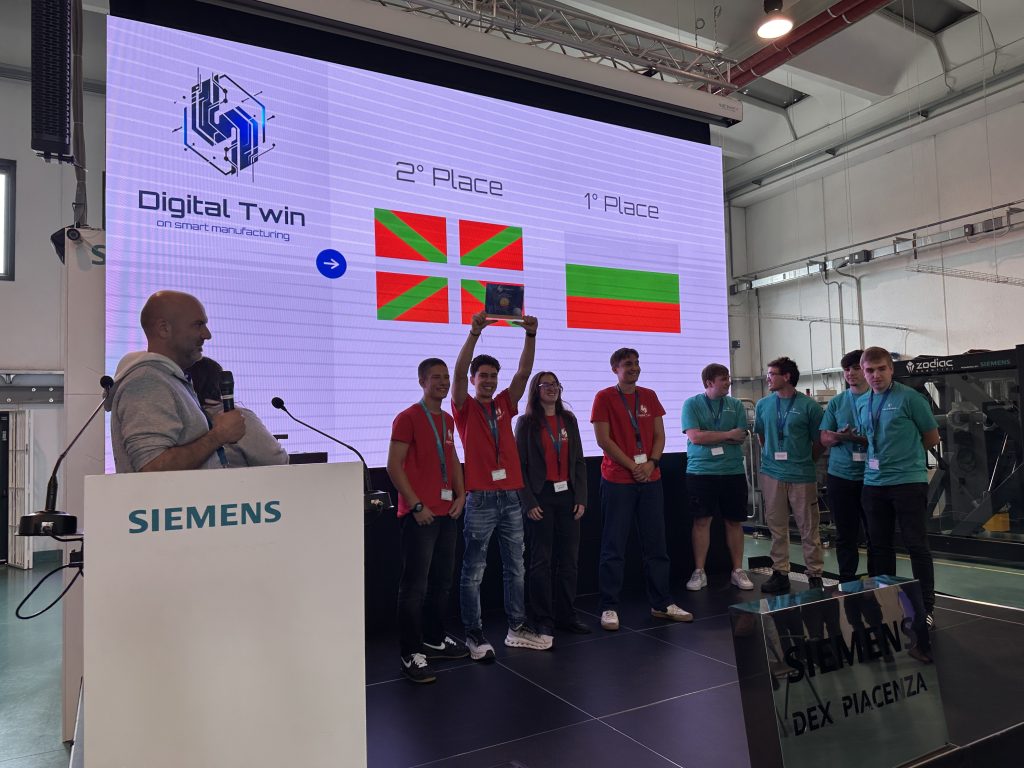
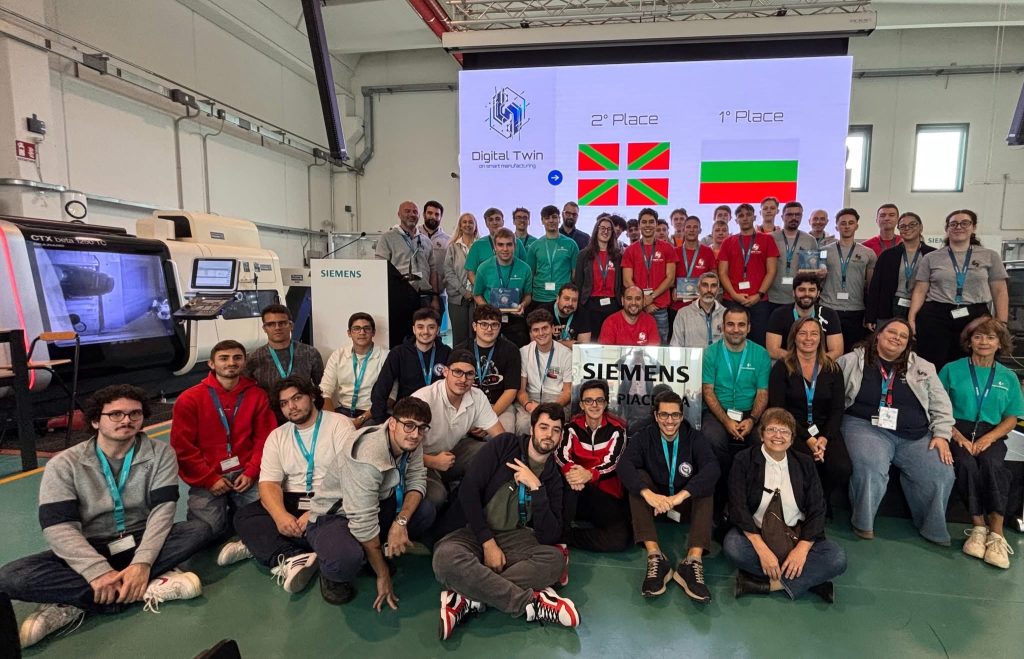
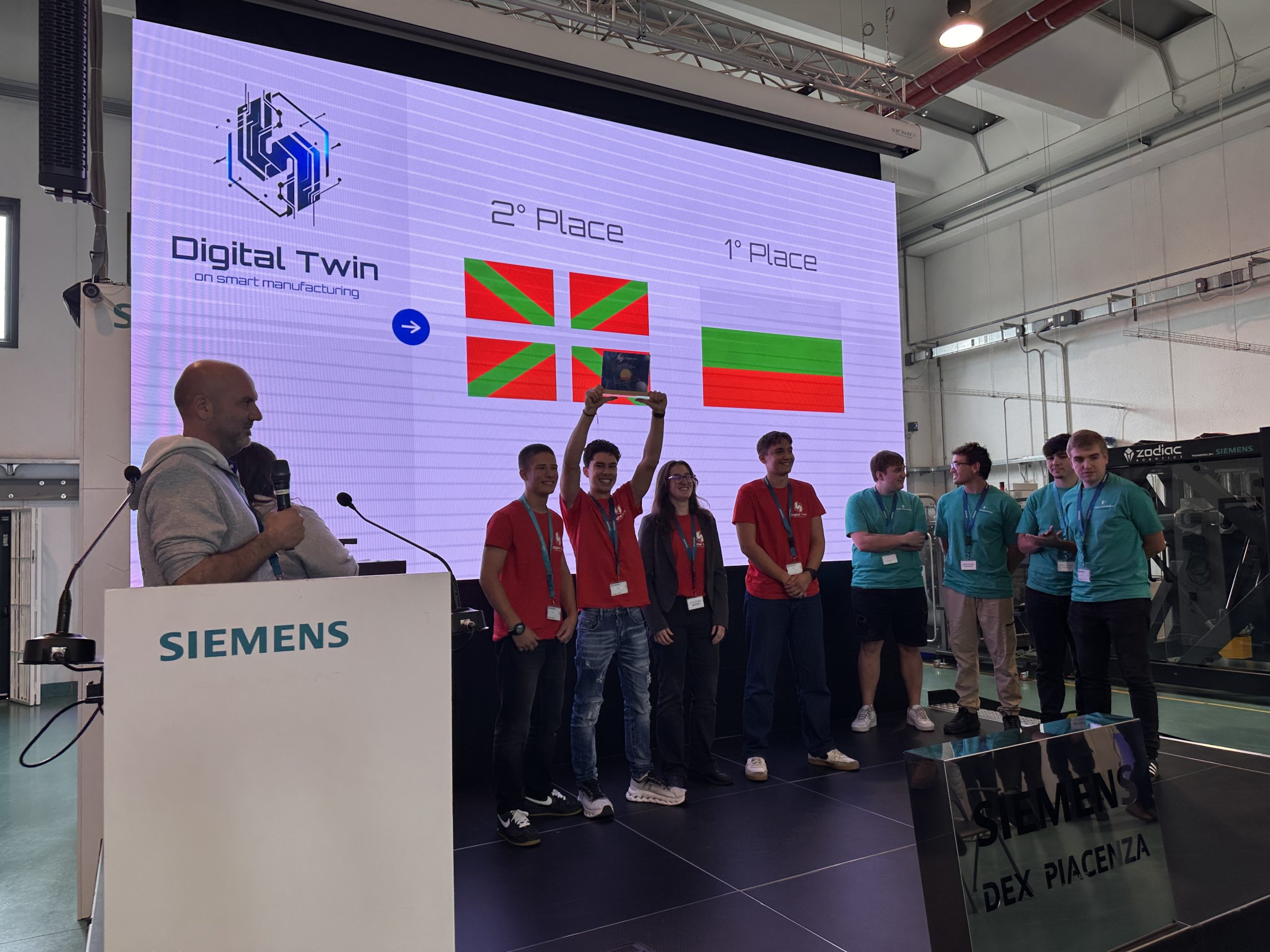
The final ranking was announced the next day during a special awards ceremony held at the Siemens Digital Experience Center in Piacenza, Italy. Our kind hosts represented by Mrs. Raffaella Menconi (Head of Education Program, Siemens Italy) delivered the keynote and welcomed everyone, followed by Mr. Salvatore Servedeo (SISW Sales Account Orchestrator) who introduced Siemens at a glance, followed by a guided tour of Siemens DEX and dedicated presentations shedding more light and behind the scenes of the Digital Twin Project.
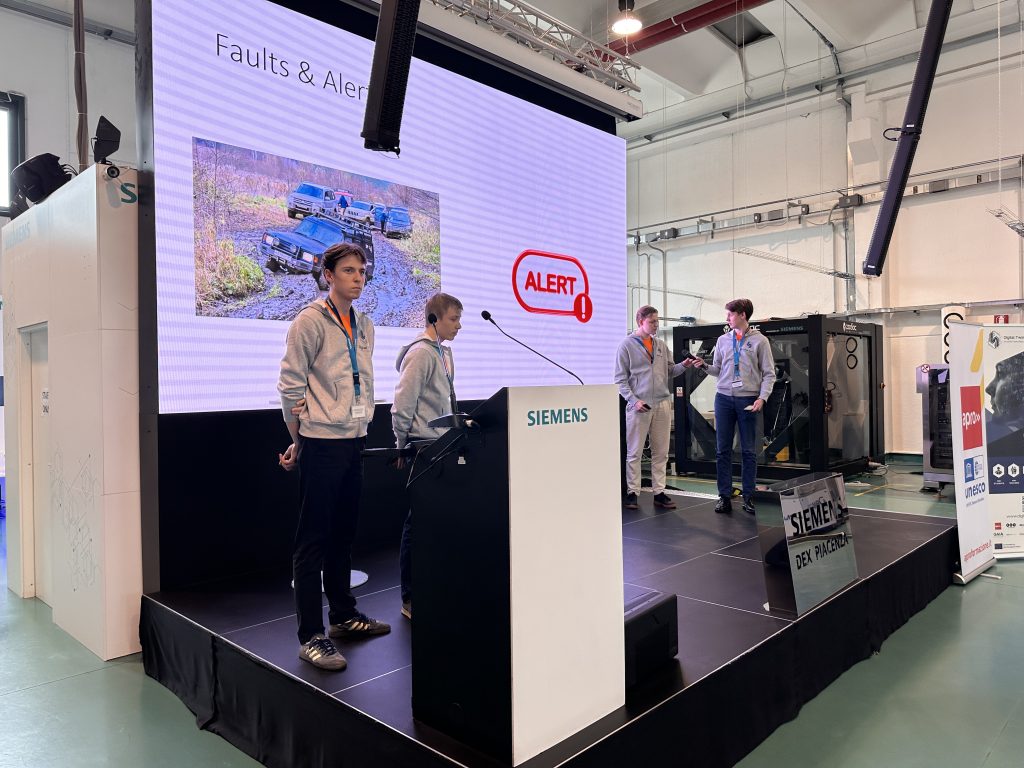
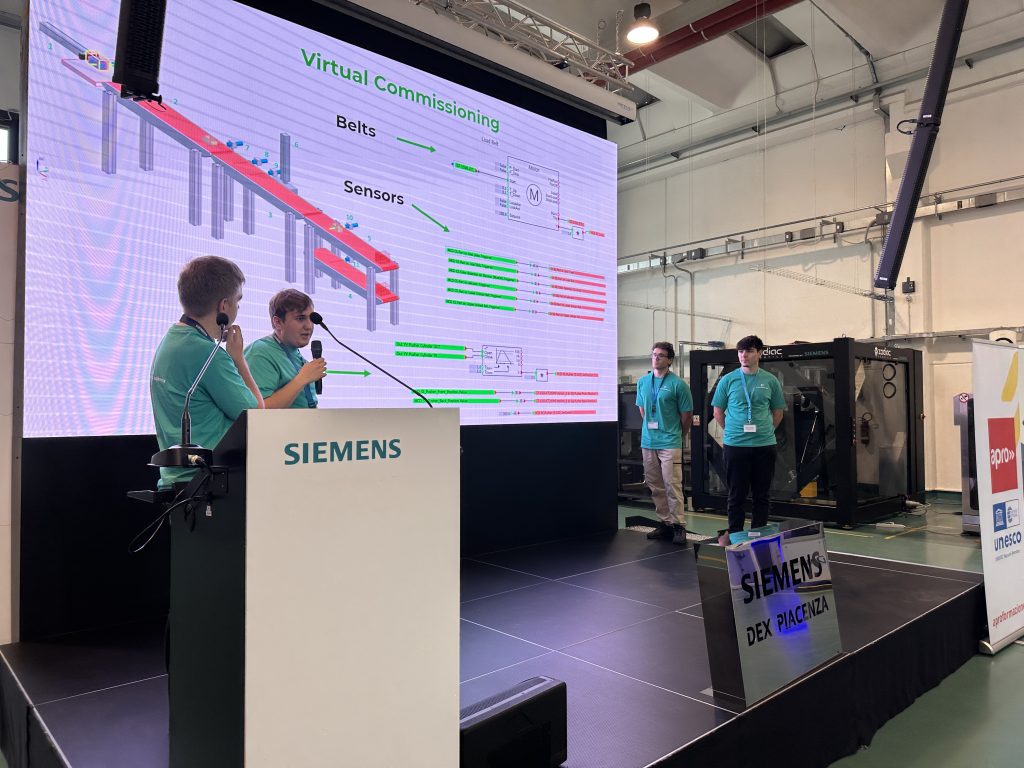
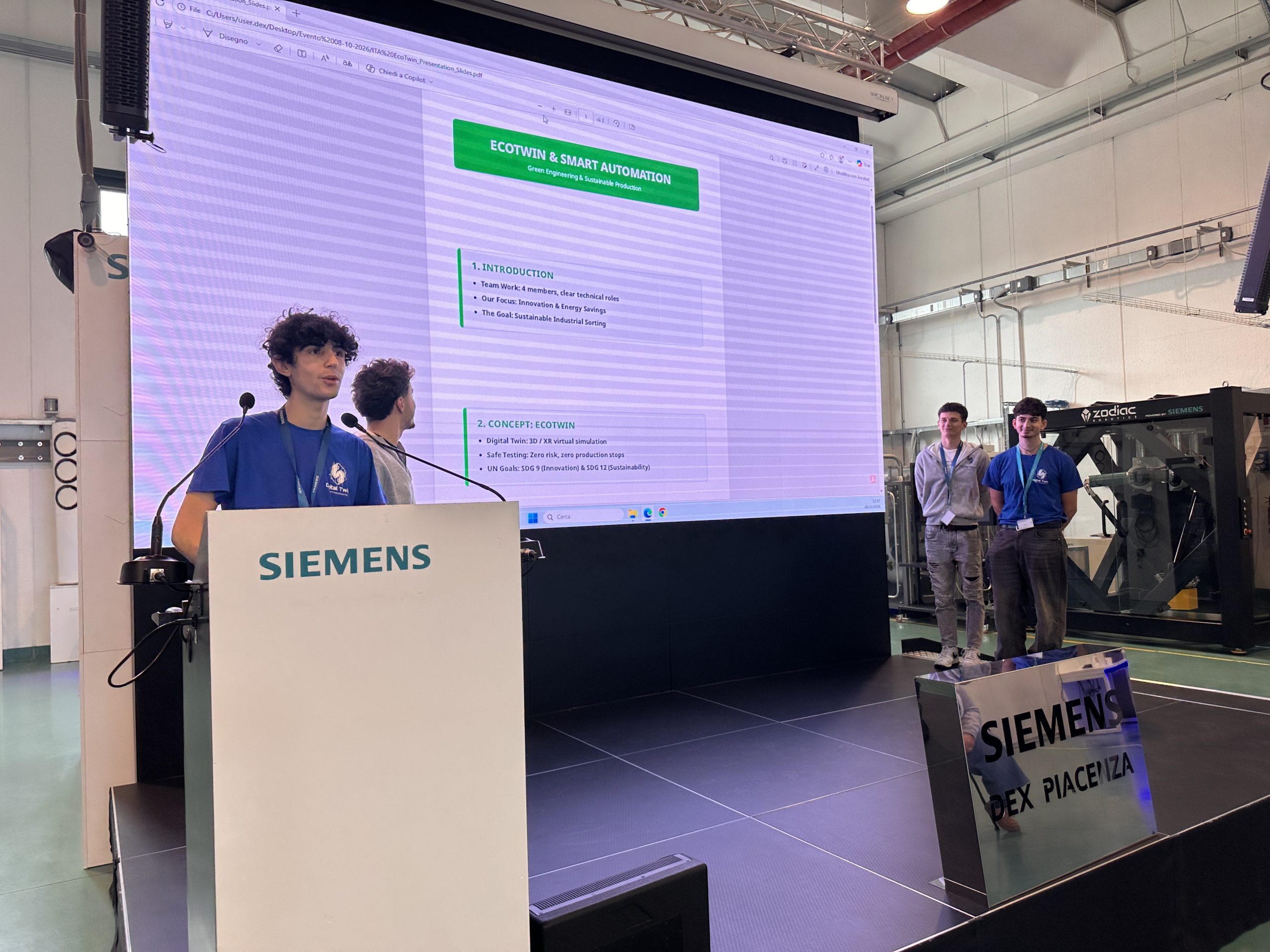
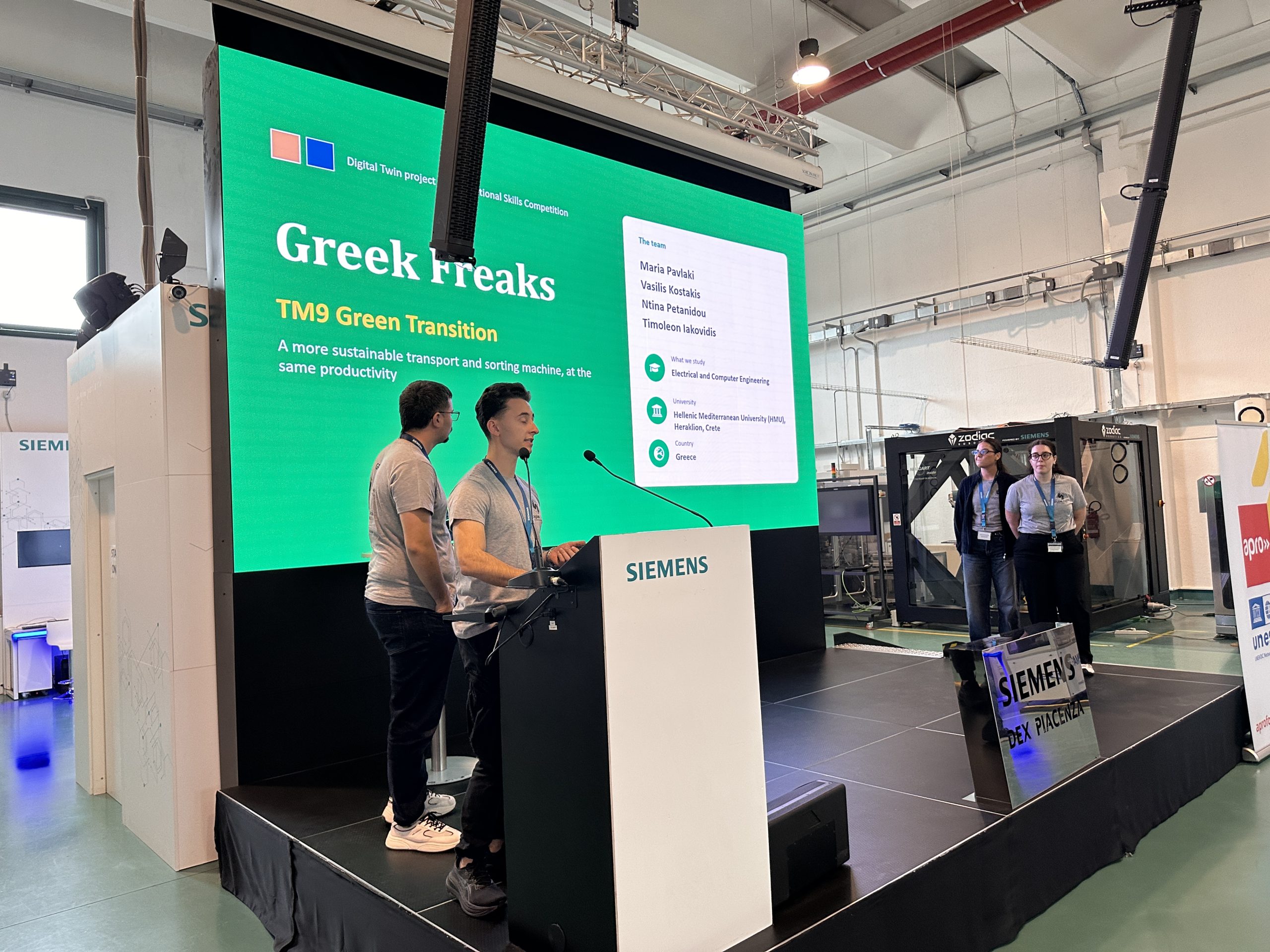
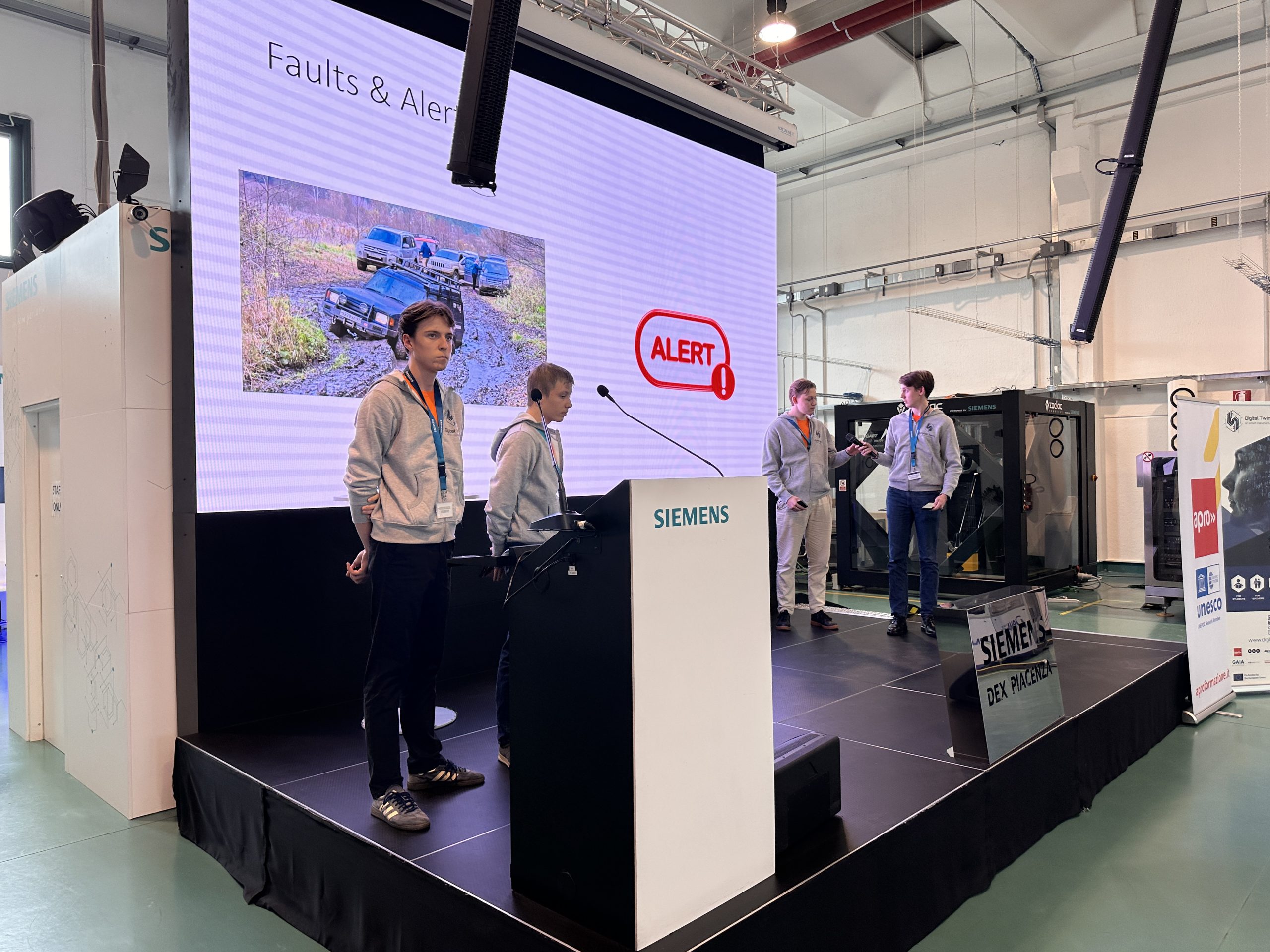
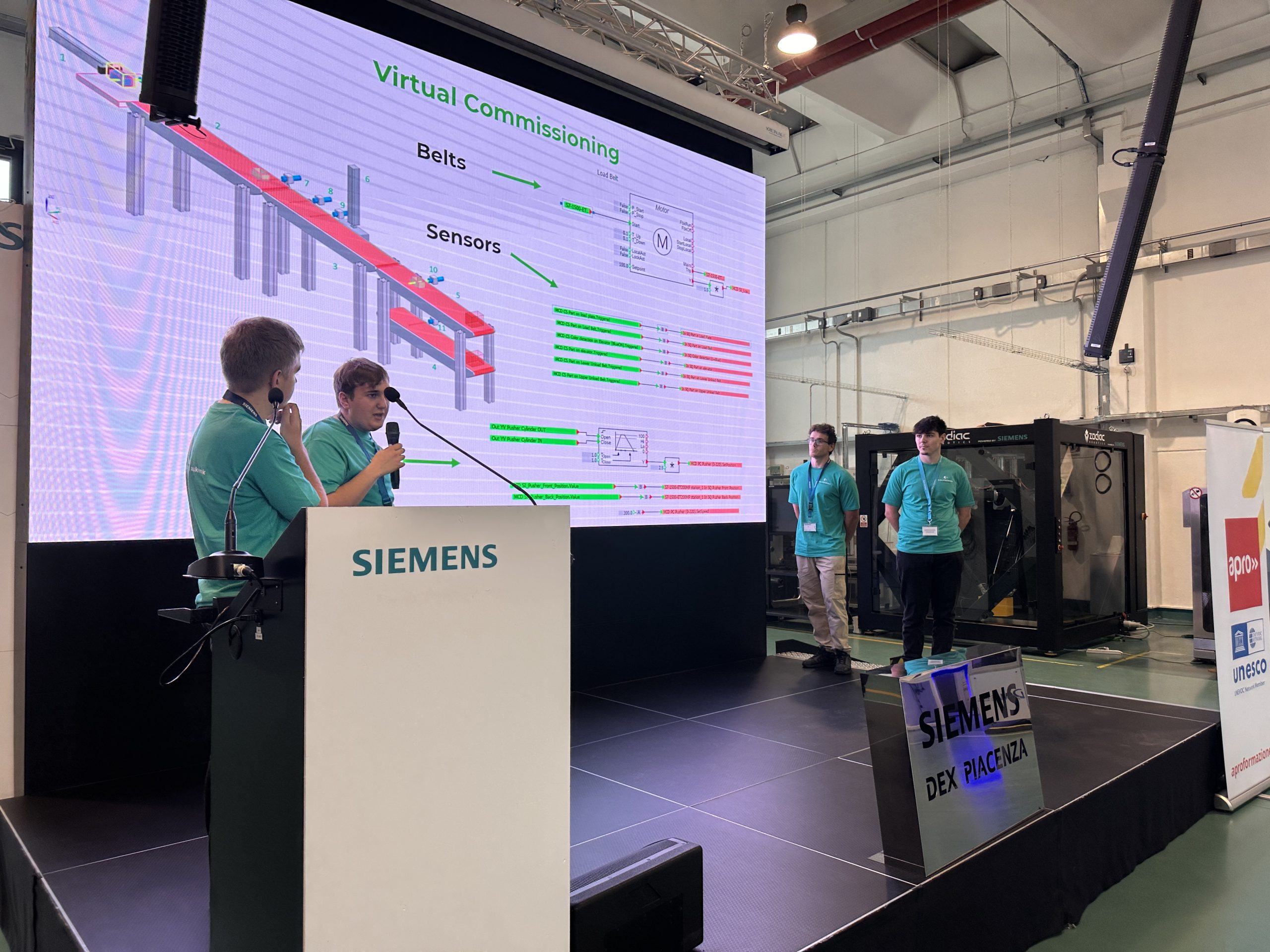
It was time for the students to shine for the last part of the competition and deliver their pitch on the Digital Twin-based business opportunity they’ve developed and explain their chosen approach to solving the competition assignments.
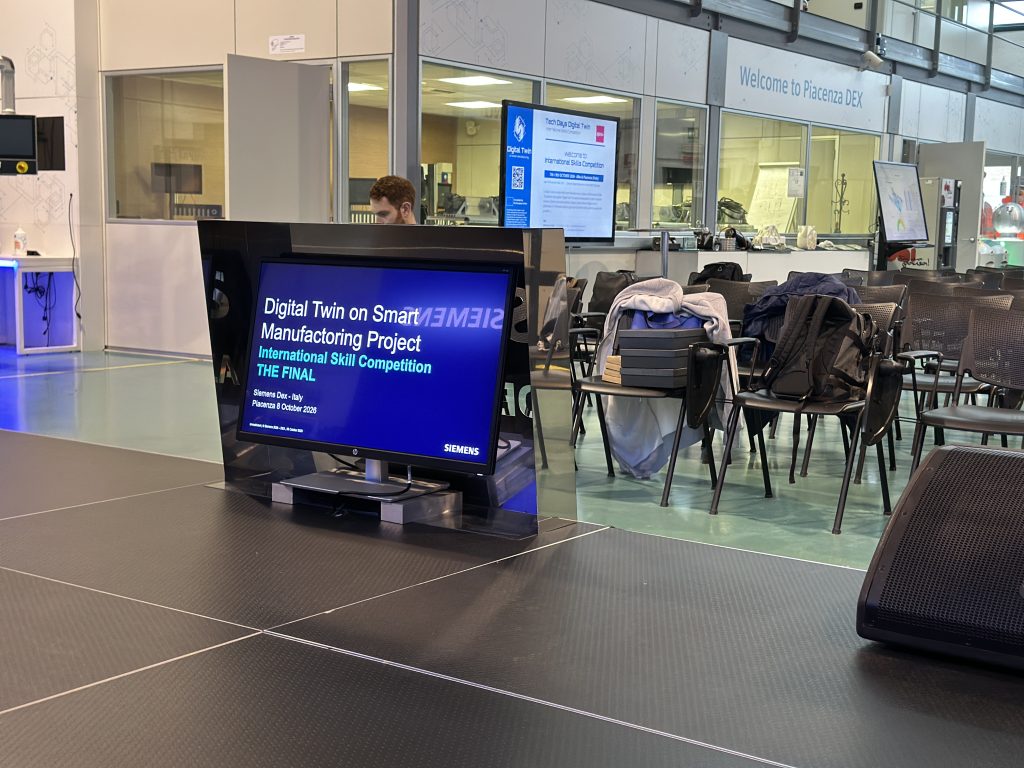
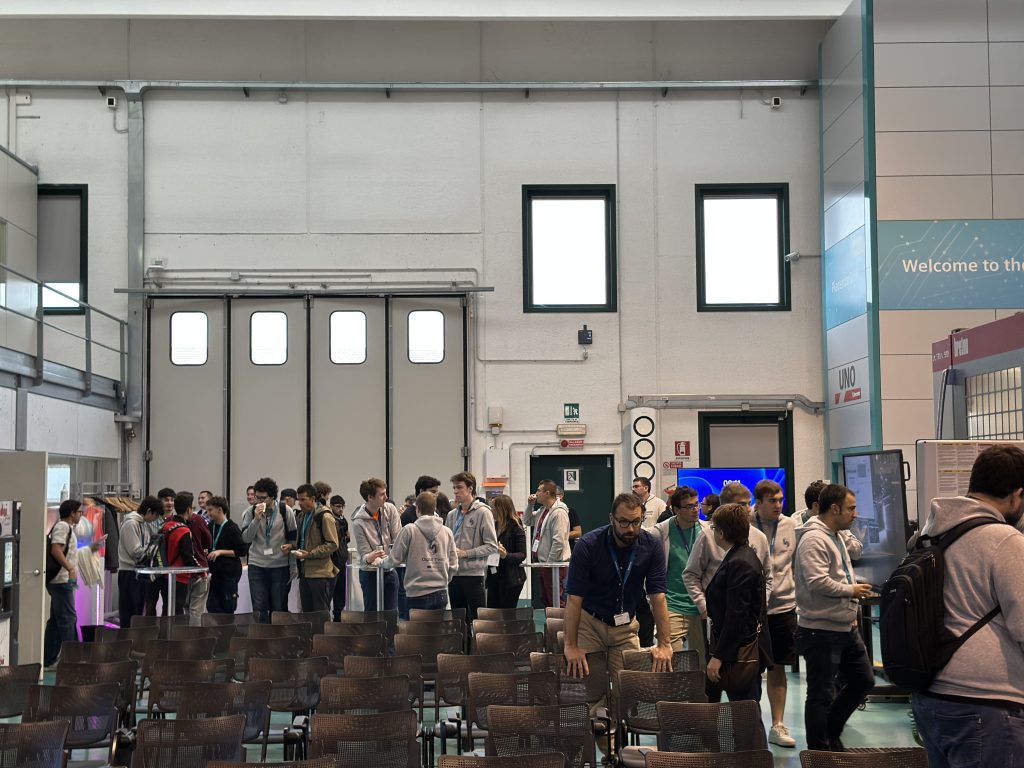
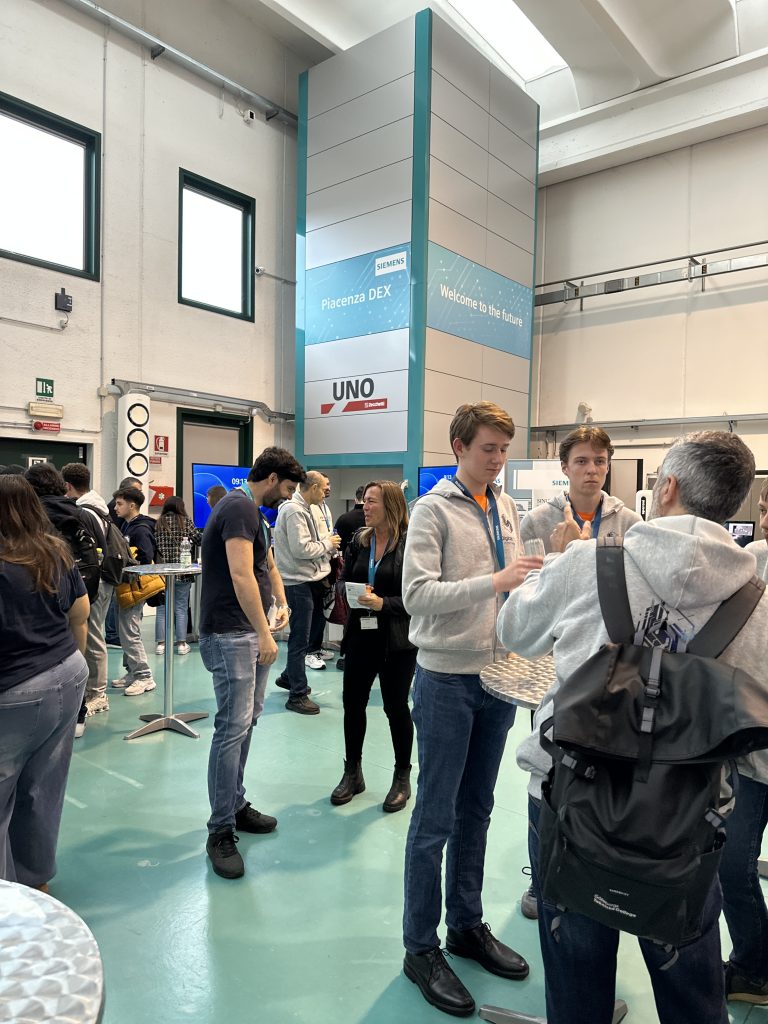
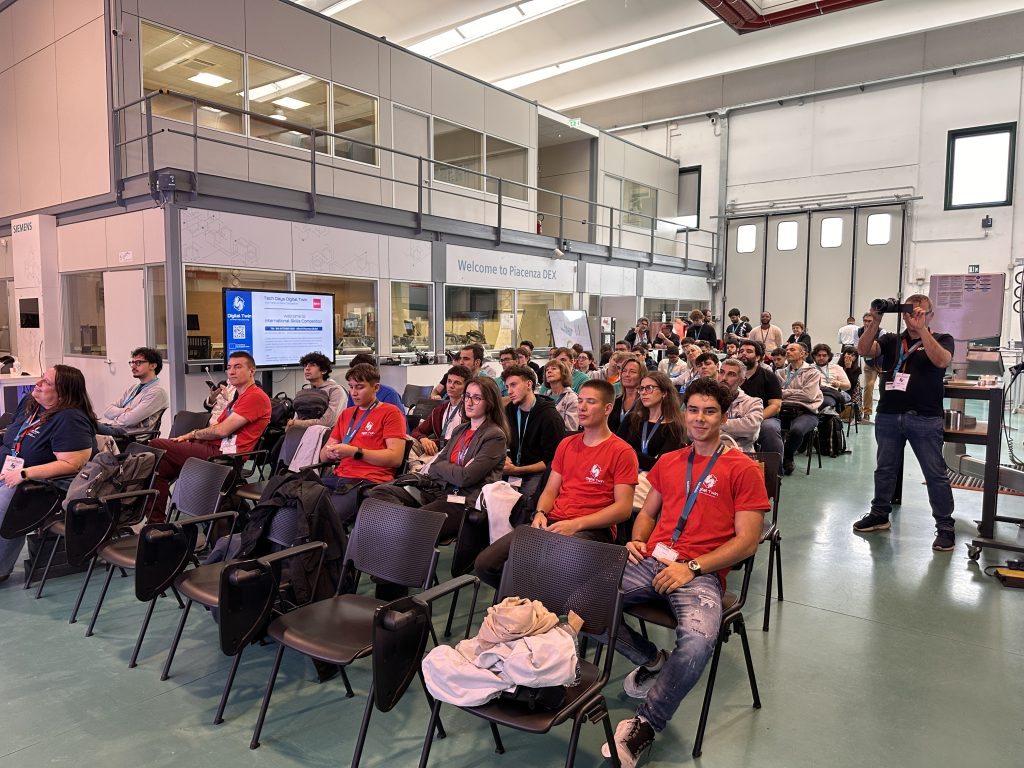
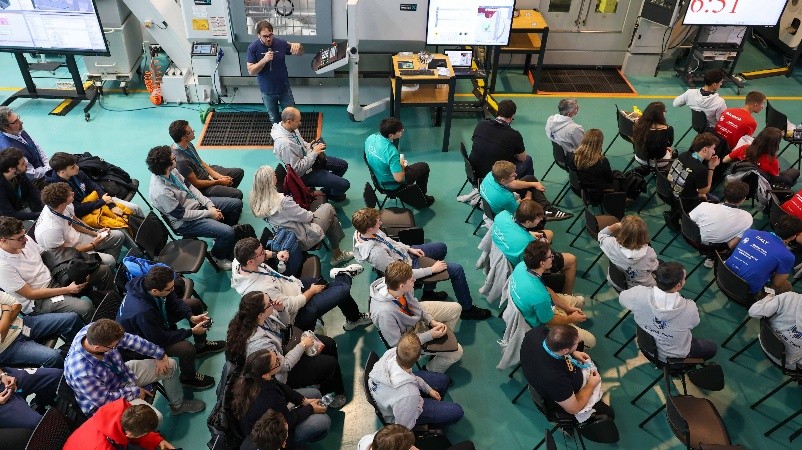
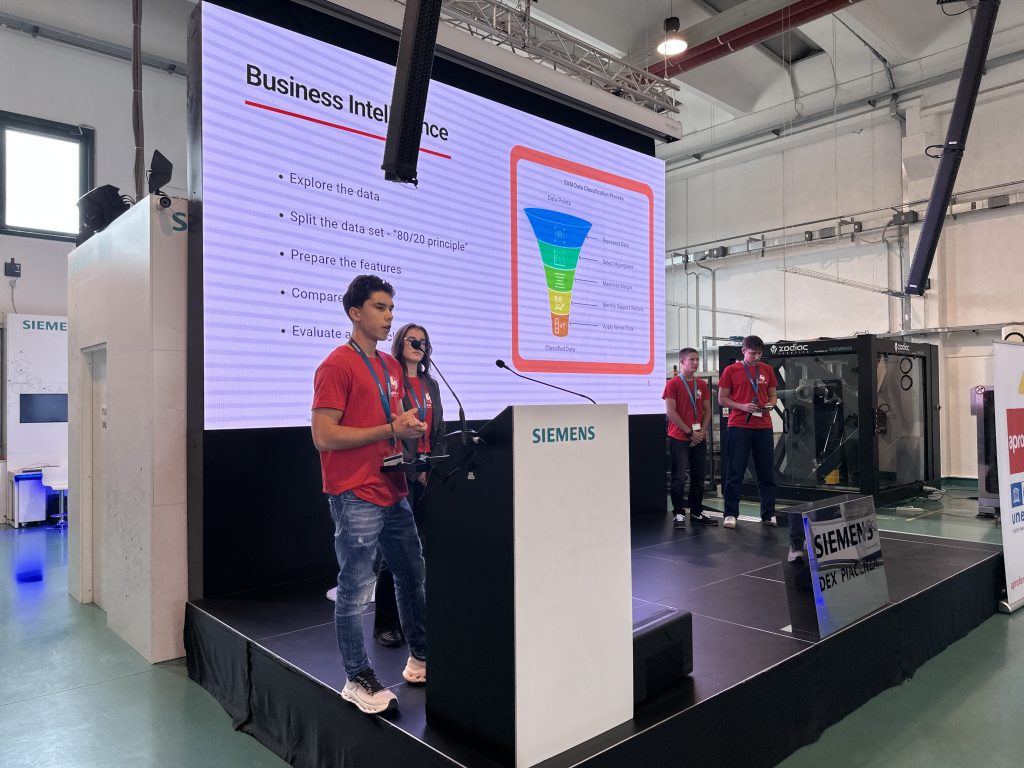
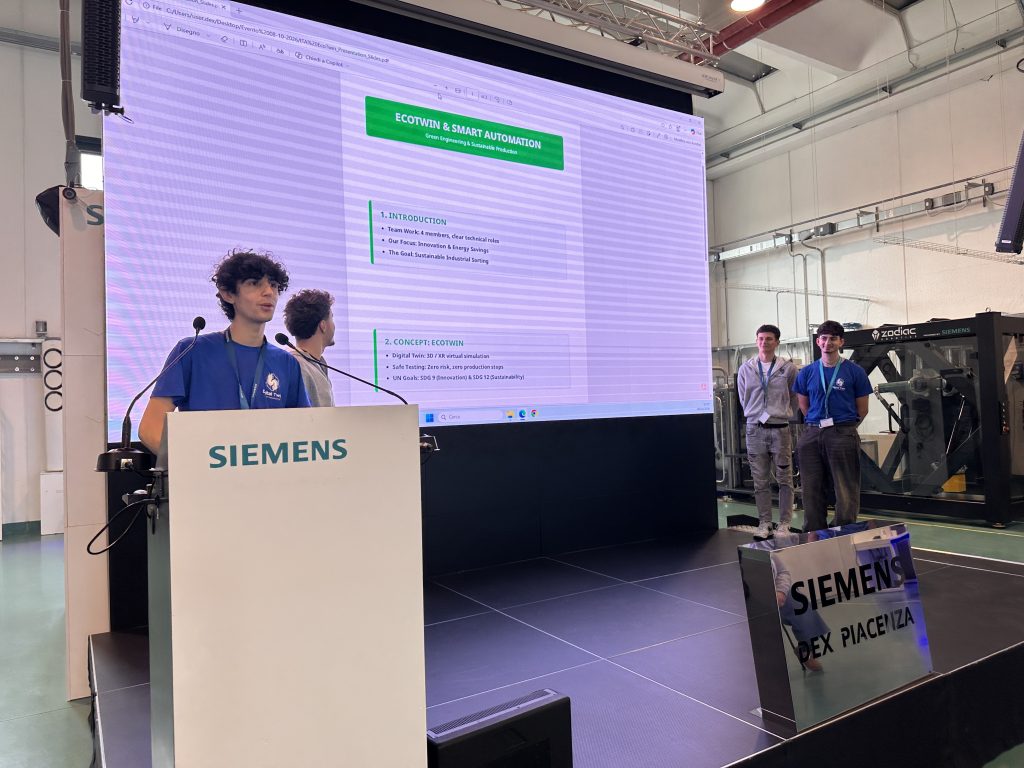
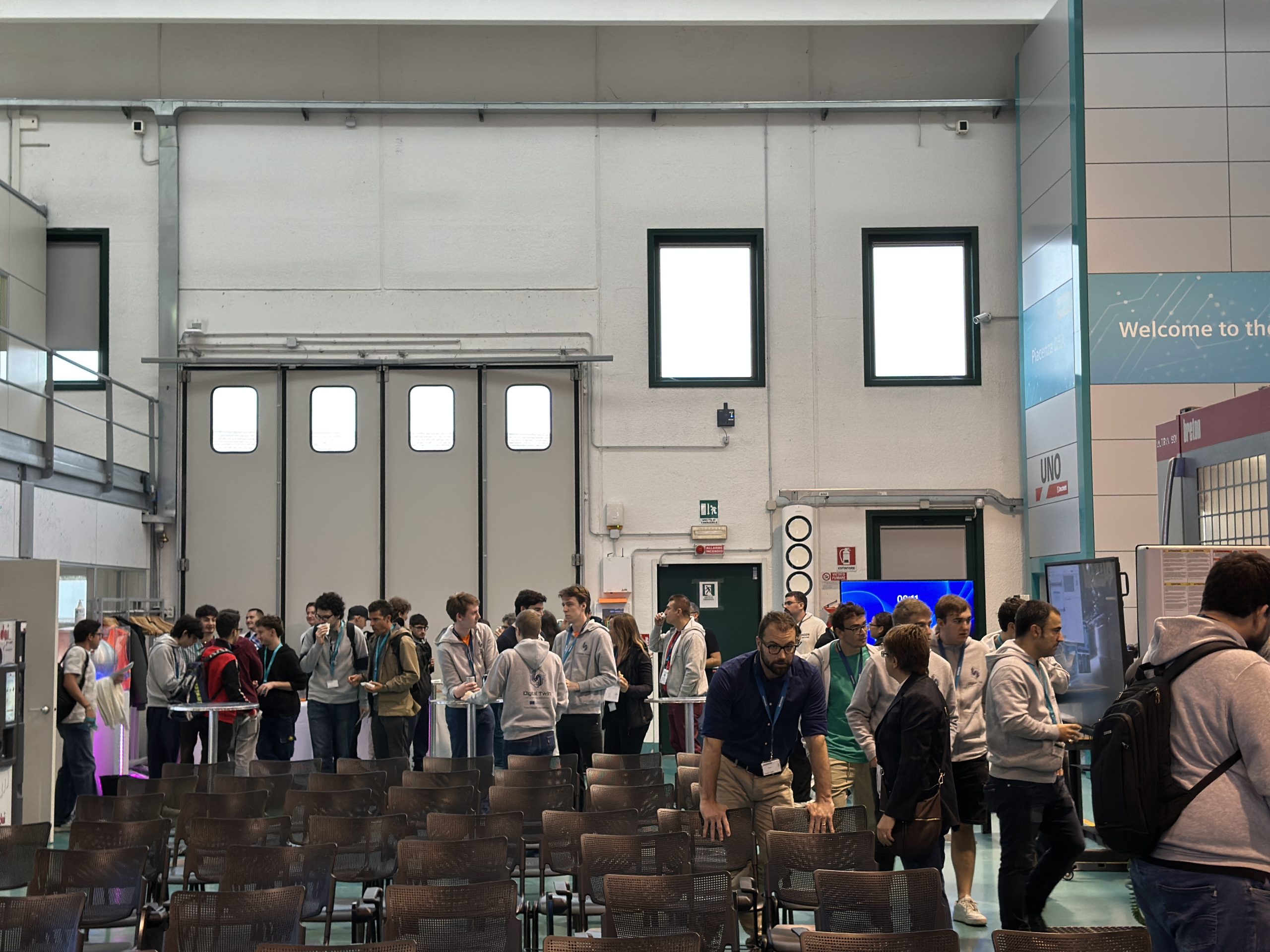
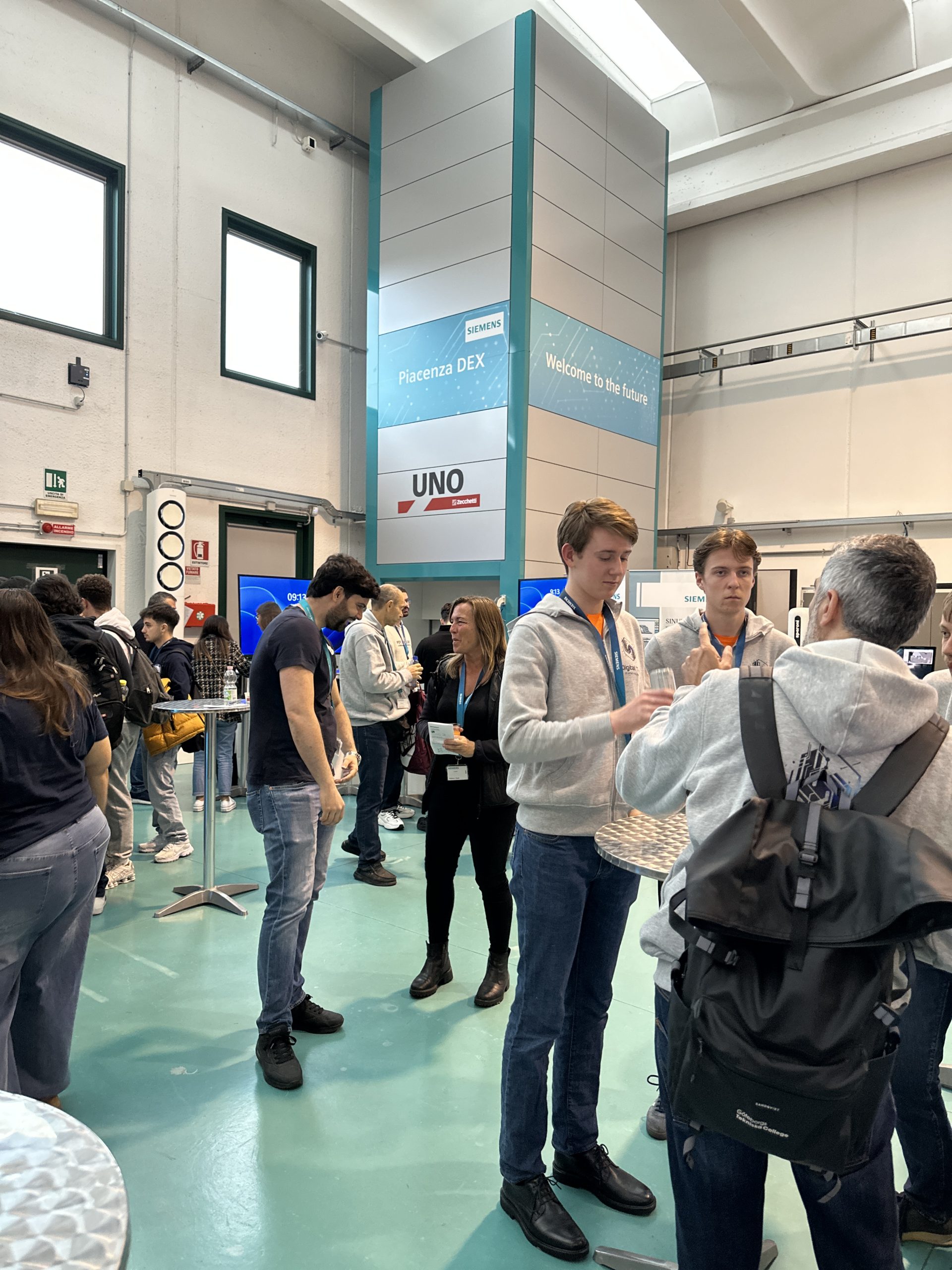
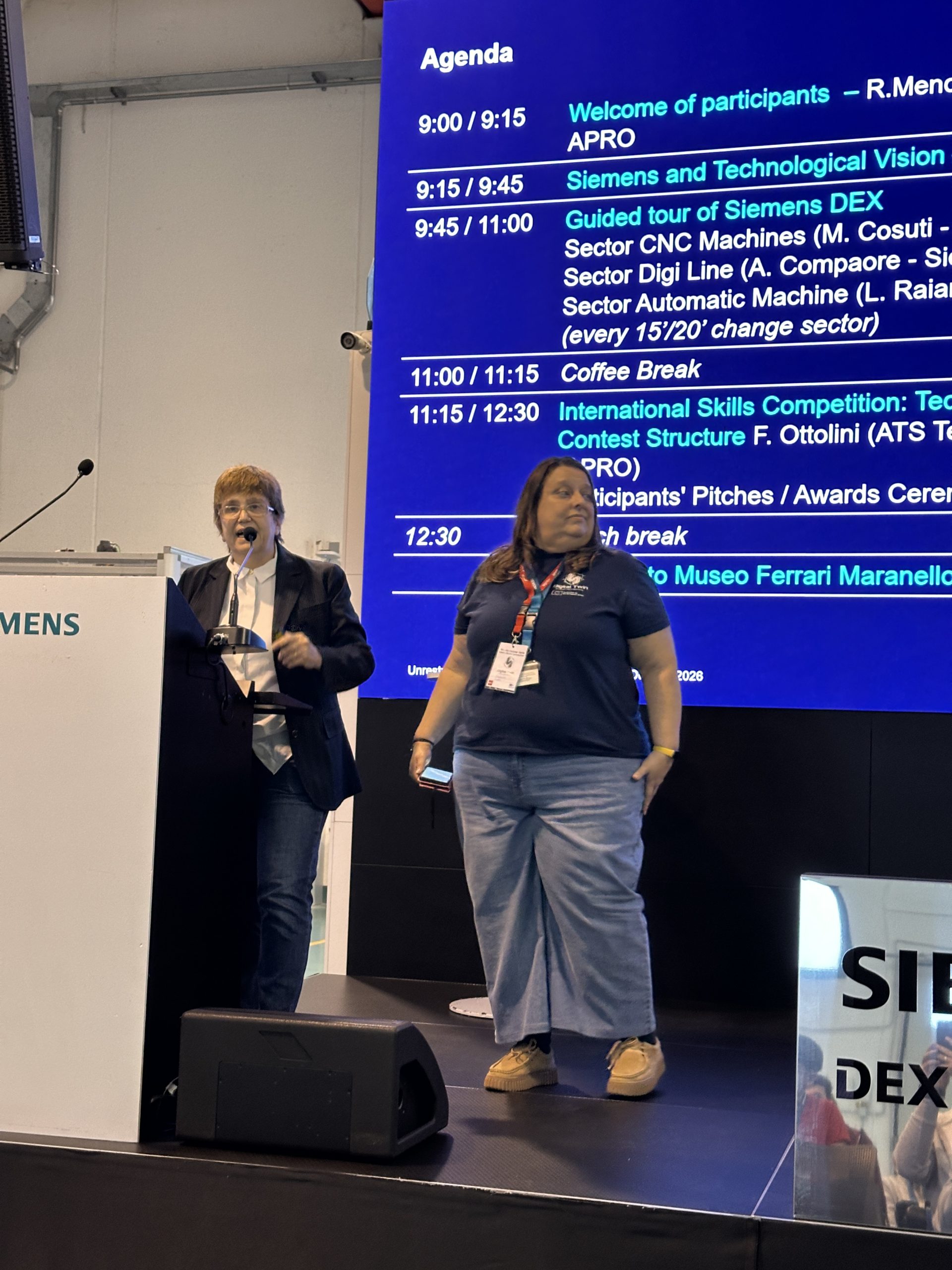
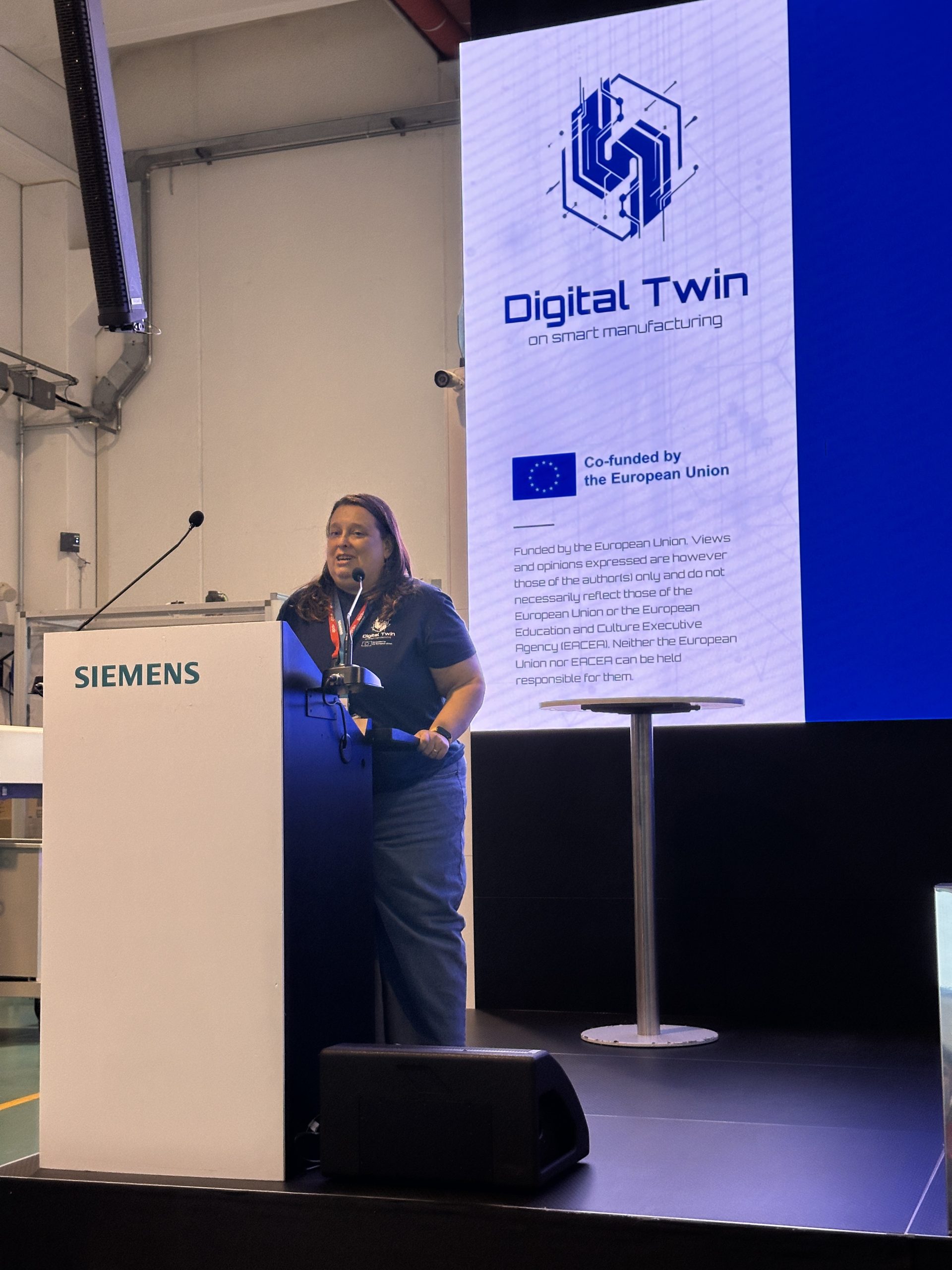
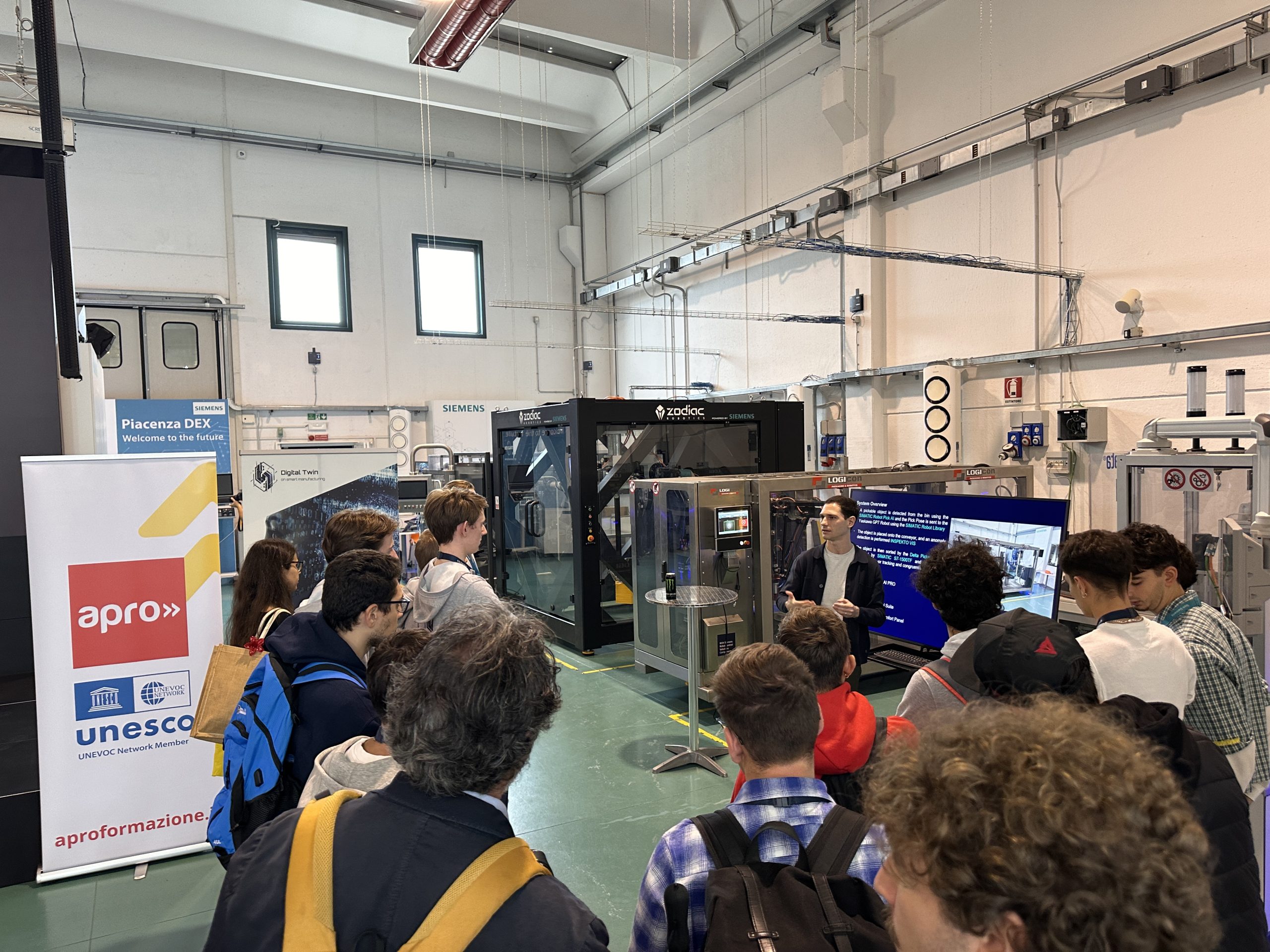
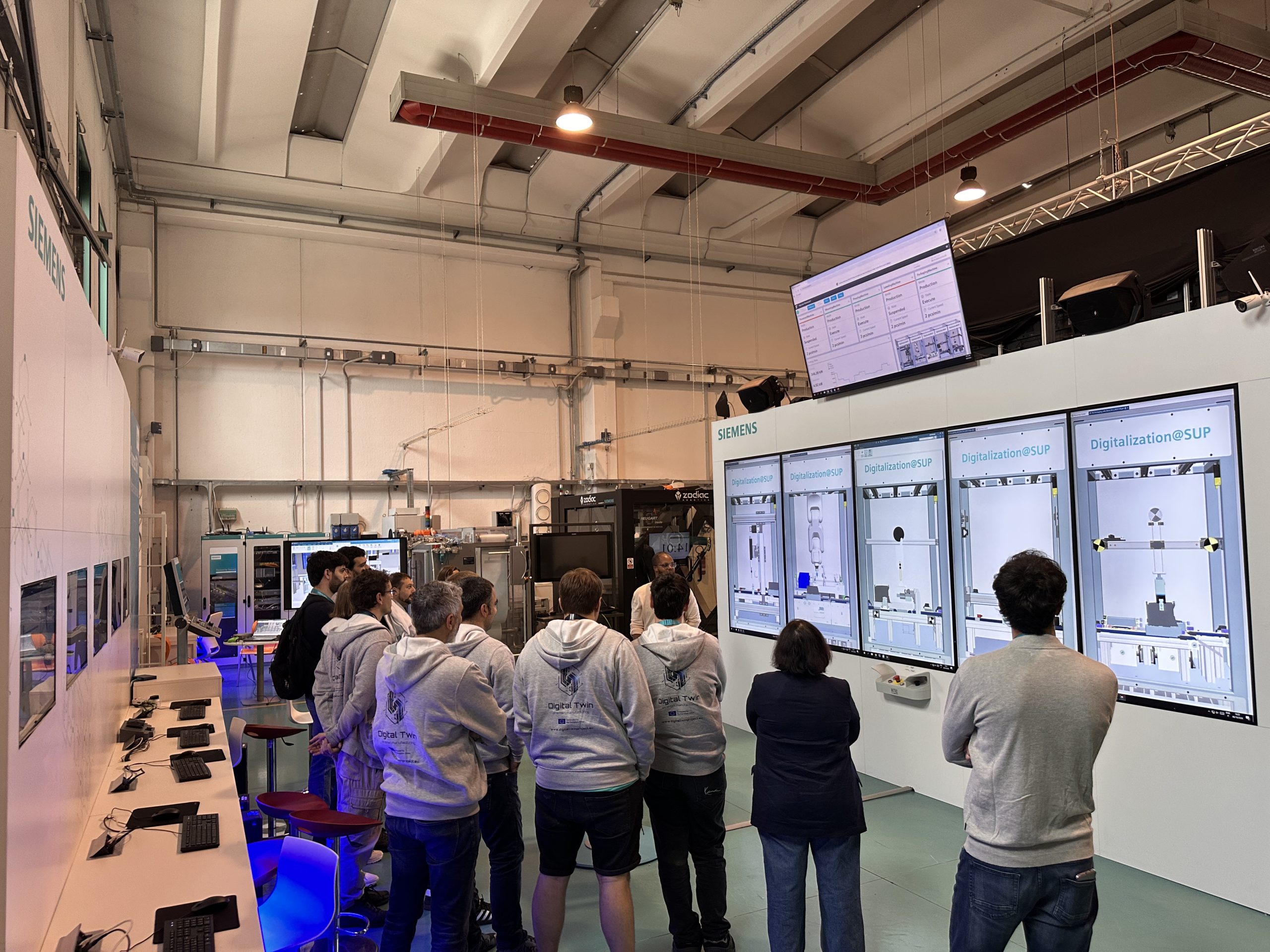
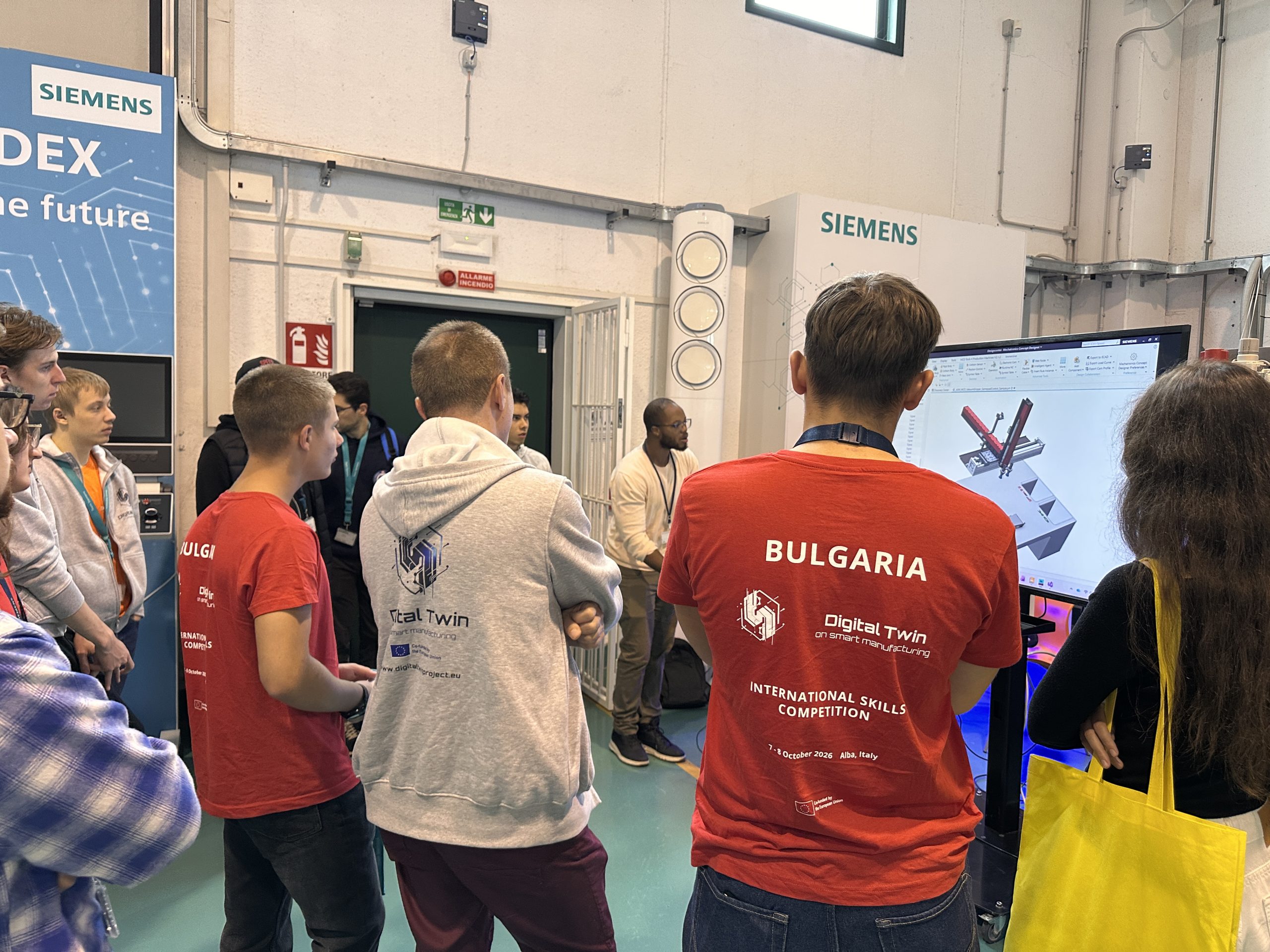
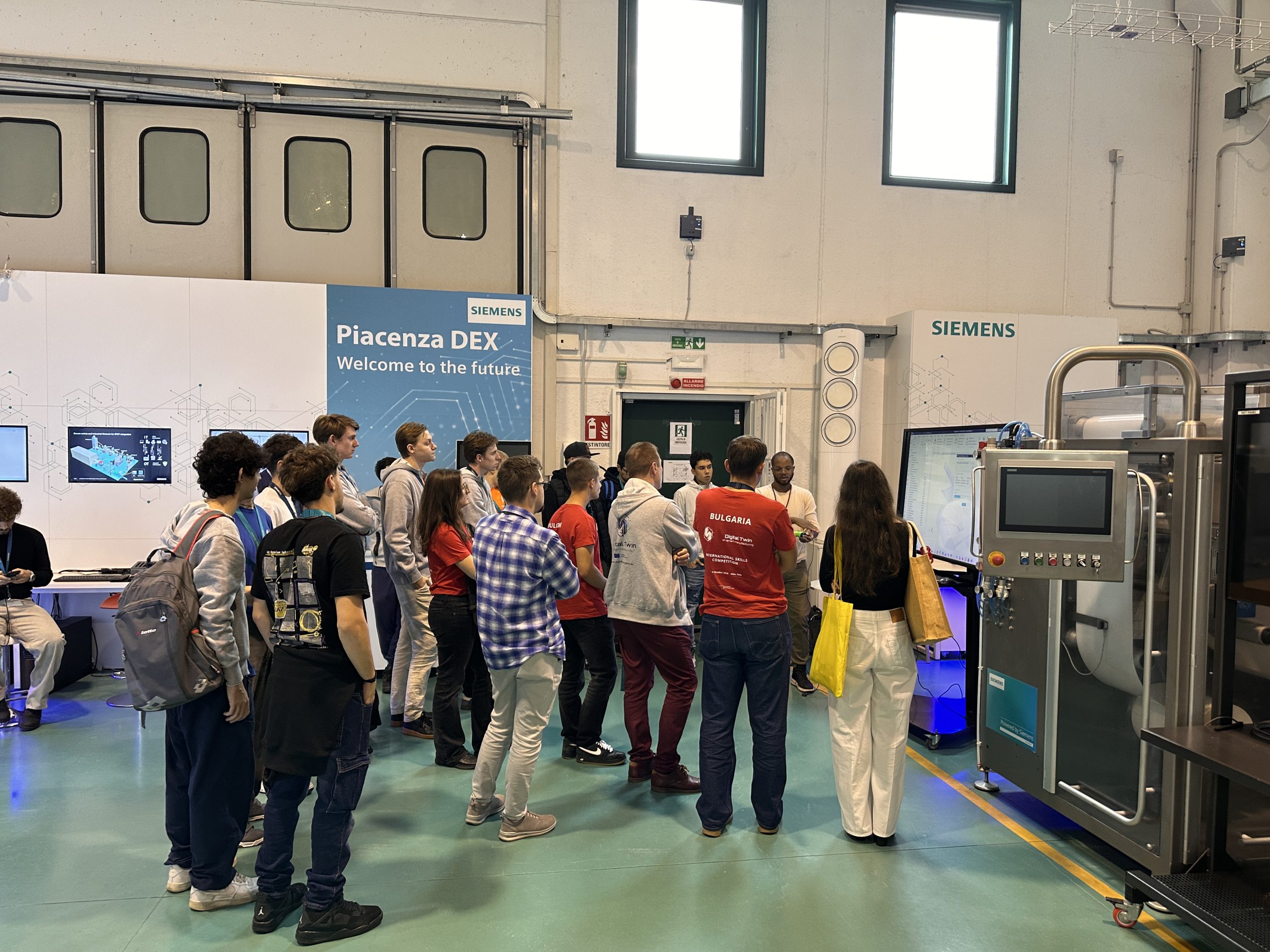
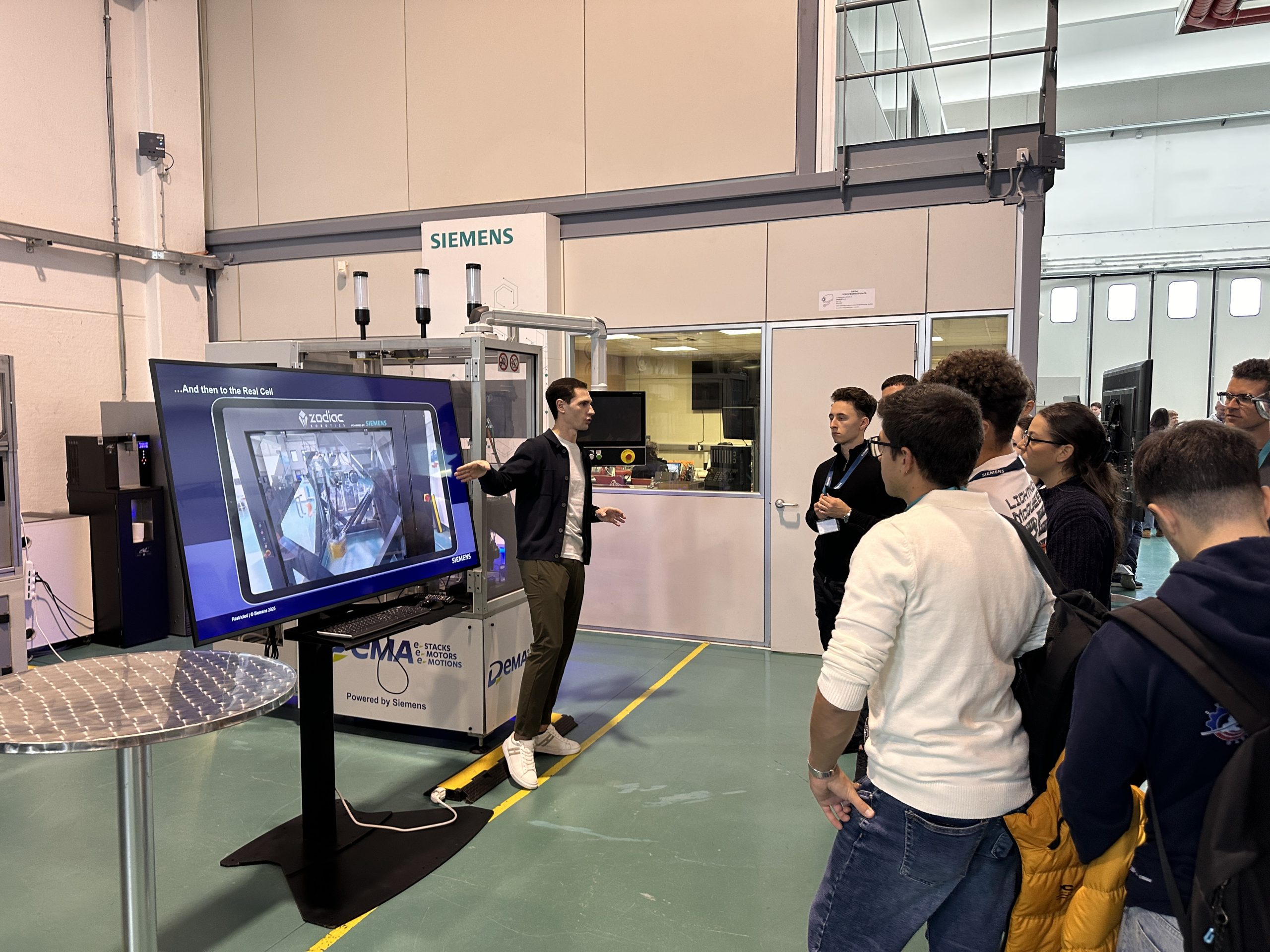
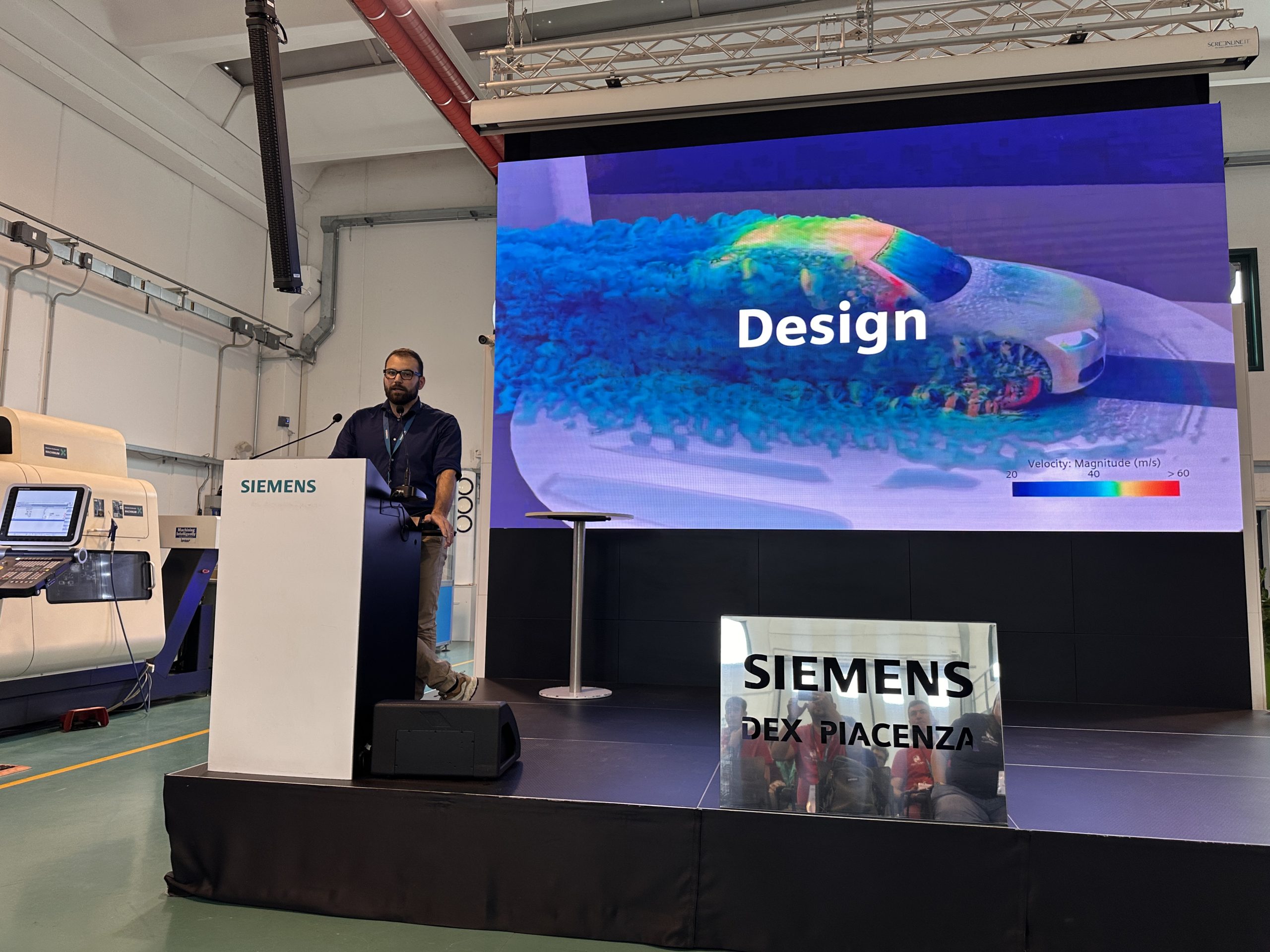
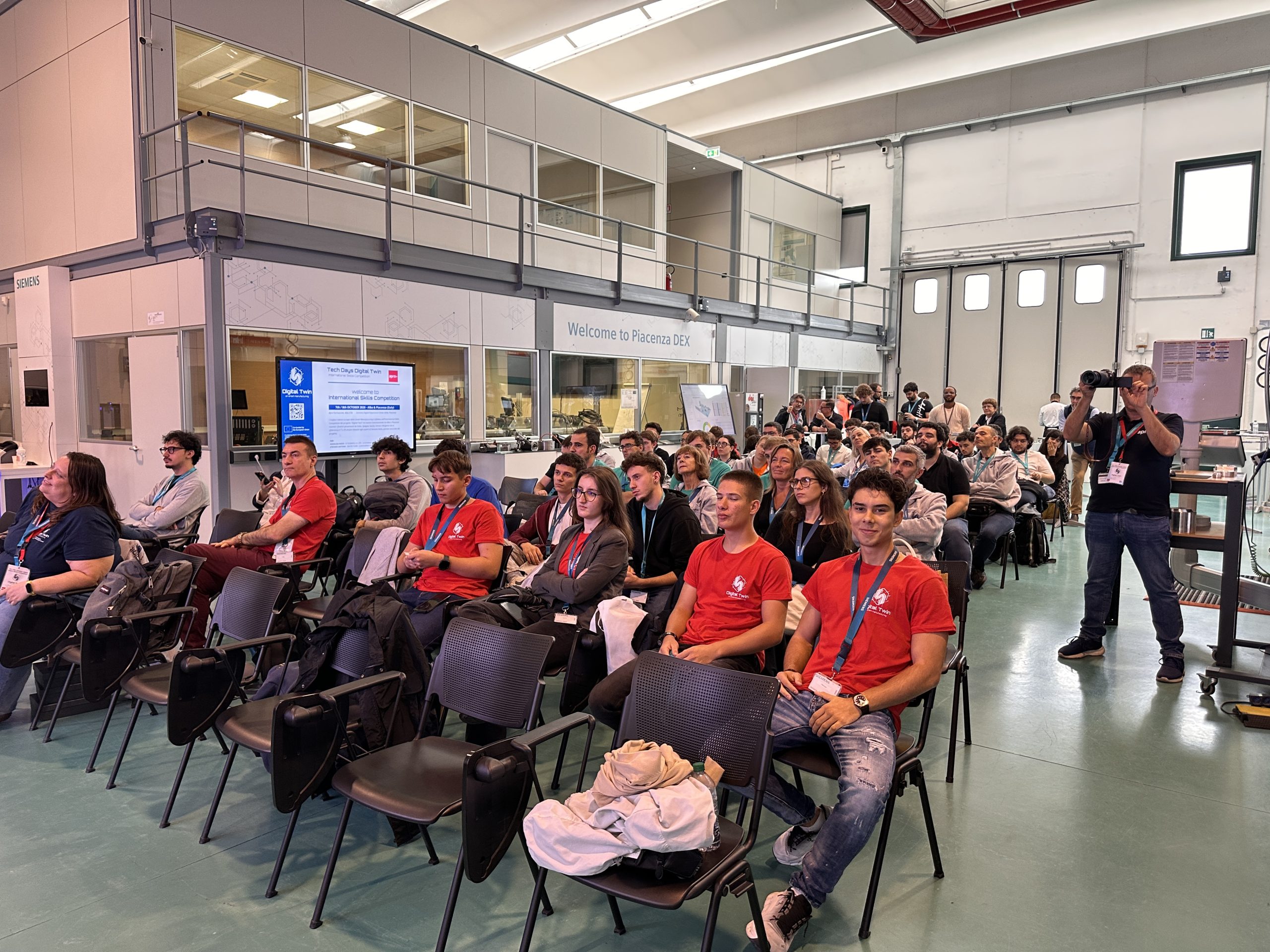
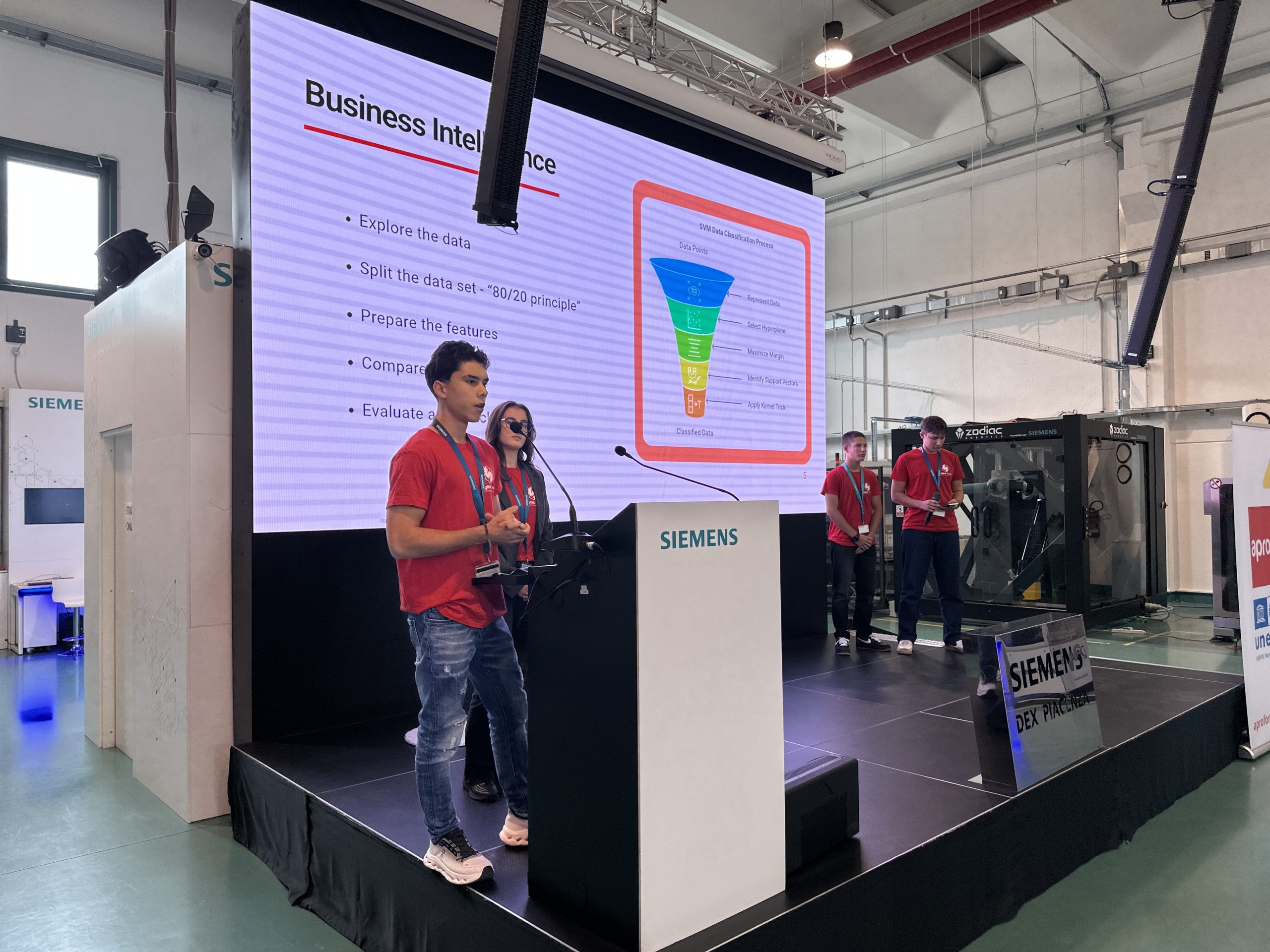
The suspense was building since yesterday! Who won the competition, was the question and so it was finally time for everyone to find out!
Final Results:
🥇 1st Place – Bulgaria
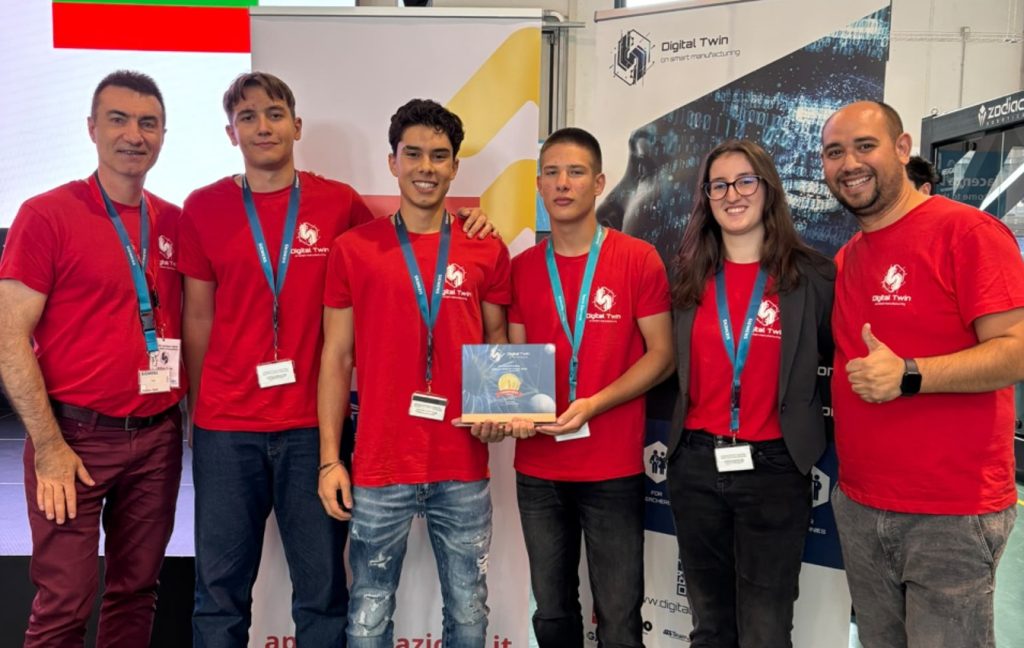
🥈 2nd Place – Spain (Basque Country)
🥉 3rd Place – Greece
🏅 4th Place – Italy
🏅 5th Place – Sweden
The Bulgarian team delivered an outstanding performance across the competition tasks, demonstrating exceptional technical knowledge, problem-solving skills, and teamwork. Congratulations to team “Balkan Lions”. All teams in top 3 have now won a special mobility experience to one of the partner countries of the project. What a treat!
The competition provided participants with a unique opportunity for cultural exchange, in addition to exchange of knowledge, collaborate across borders, and gain experience with cutting-edge industrial technologies used in today’s smart factories. Beyond the rankings, the event celebrated innovation, international cooperation, and the development of future professionals who will drive Europe’s digital and green industrial transformation. Last but not least, our kind hosts at Apro Formazione provided yet another interesting and much anticipated event – a visit to the Ferrari Museum Maranello, where participants had the opportunity to explore the history, innovation, and engineering excellence behind one of the world’s most iconic automotive brands, bringing a memorable conclusion to an inspiring week of learning and competition.
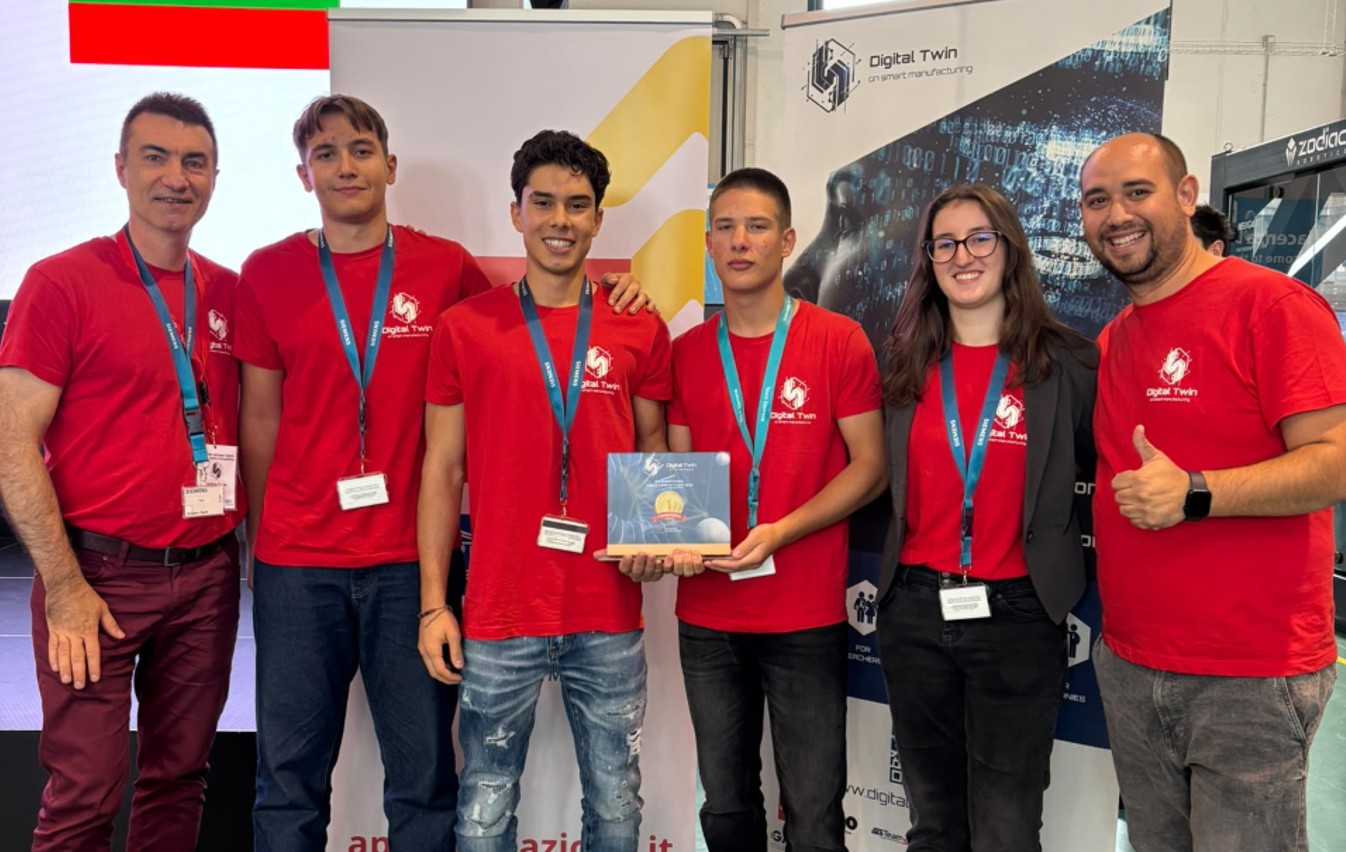
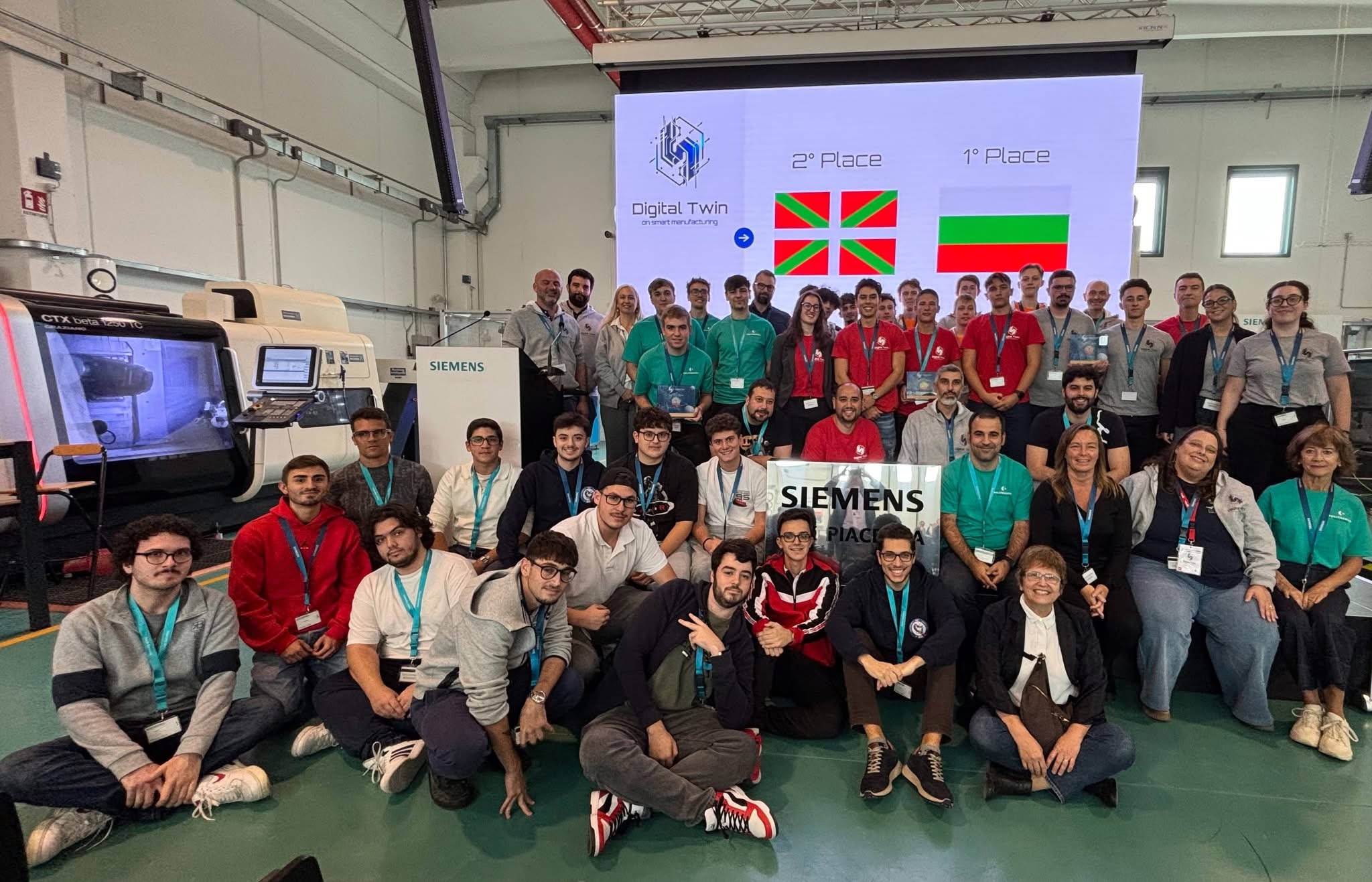
Congratulations to all participants, trainers, and partner organizations for contributing to a successful and inspiring international competition. The achievements throughout the event are now an ideal testimony of the vital role of Digital Twin technologies in shaping the future of manufacturing and preparing the next generation of skilled professionals. The Digital Twin Project offers more than 450 hours of learning, a dedicated e-learning space, virtual and physical labs, an XR mobile app, certification via micro credentials and supporting documentation for future educators to exploit the Digital Twin training offer. Reach out to any of our partners or download our Digital Twin Training Offer below to learn more about what is available for you and find out how you can make advantage of all of these resources completely free.


